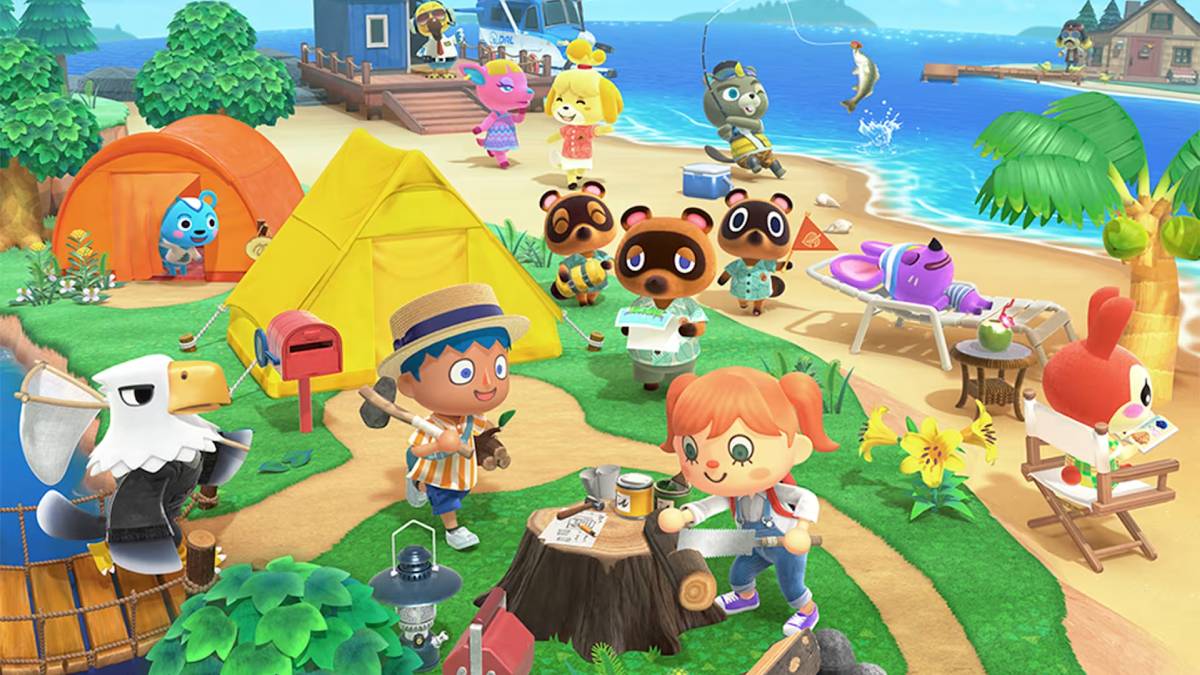
As the global gaming landscape continues to evolve, a quiet revolution has been unfolding in living rooms and home offices worldwide: the rise of cozy games. These titles, characterized by their emphasis on relaxation, creativity, and low-stakes interaction, have transitioned from niche pastimes to a mainstream cultural phenomenon. Far removed from the high-intensity action and competitive pressure of traditional gaming, cozy games offer players a digital sanctuary—spaces to unwind, connect, and find joy in simple, repetitive tasks.
The term “cozy game” encompasses a broad spectrum of experiences, from farming simulations and interior design adventures to narrative-driven exploration and collaborative puzzle-solving. What unites them is a shared design philosophy that prioritizes emotional well-being over challenge, often incorporating soothing soundtracks, pastel aesthetics, and open-ended gameplay. This shift reflects broader societal trends toward mindfulness and mental health awareness, particularly in the wake of global stressors that have increased demand for accessible forms of digital escape and comfort.
Industry analysts note that the cozy game movement gained significant momentum during the pandemic years, when lockdowns and social isolation drove unprecedented engagement with interactive entertainment. Titles like Animal Crossing: New Horizons, which launched in March 2020, became cultural touchstones, offering players a sense of routine and community during uncertain times. Its success demonstrated a clear market appetite for games that emphasize hospitality, creativity, and social connection over conflict or conquest.
More recently, games such as Stardew Valley, Cozy Grove, and Spiritfarer have further expanded the genre’s reach, appealing to diverse audiences across age groups and gaming experience levels. These titles often feature gentle progression systems, meaningful character interactions, and environments that encourage exploration without penalty. Unlike traditional games that reward skill or speed, cozy games frequently measure success through personal fulfillment, collection completion, or the cultivation of virtual relationships.
The cooperative dimension of cozy gaming has also emerged as a defining feature, particularly in titles designed for shared play. Games like Overcooked! 2, Moving Out, and It Takes Two blend lighthearted chaos with collaborative problem-solving, creating opportunities for friends, couples, and families to bond through shared laughter and mild frustration. These experiences underscore how cozy mechanics can foster communication and teamwork without relying on high-pressure competition.
According to verified industry reports, the commercial success of cozy games has prompted major publishers and platform holders to invest more heavily in the genre. Nintendo’s continued support for Animal Crossing through regular updates and spin-offs, alongside indie developers’ sustained output of heartfelt titles, signals a long-term commitment to this space. Platforms like Steam and the PlayStation Store now feature dedicated categories for “cozy” or “relaxing” games, making it easier for players to discover titles that match their mood.
Academic interest in the psychological effects of cozy gaming has also grown. Researchers at institutions such as the University of California, Irvine and the Oxford Internet Institute have begun studying how low-stress gameplay influences mood, anxiety levels, and social connectedness. Early findings suggest that regular engagement with cozy games may correlate with reduced stress markers and increased feelings of calm—though experts caution that more longitudinal research is needed to establish causal links.
Critics and players alike have praised the inclusivity of many cozy titles, noting their accessibility to newcomers, non-gamers, and individuals with varying abilities. Customizable difficulty settings, remappable controls, and minimal reliance on reflexes or rapid decision-making make these games welcoming to a broader demographic than many traditional genres. This accessibility has contributed to their popularity in intergenerational play, where grandparents, parents, and children can share meaningful experiences without significant skill disparities.
Looking ahead, the cozy game trend shows no signs of slowing. Upcoming releases such as Palia, a free-to-play community simulation currently in open beta, and Disney Dreamlight Valley, which blends life simulation with beloved franchises, indicate continued innovation within the space. Developers are experimenting with hybrid models that combine cozy core loops with light narrative depth or seasonal events, aiming to sustain long-term engagement without compromising the genre’s core ethos of tranquility.
For players seeking respite from the demands of daily life, cozy games offer more than entertainment—they provide a form of digital self-care. As one longtime player noted in a verified community forum, “It’s not about winning. It’s about coming home to a place that feels peaceful, even if it’s made of pixels.” That sentiment captures the essence of why cozy games have resonated so deeply: in a world that often feels overwhelming, they remind us that sometimes, the most radical act is simply to rest, to create, and to be kind—both to ourselves and to the worlds we inhabit.
Stay informed about the latest developments in gaming culture and technology by following World Today Journal’s Tech section. Share your thoughts on cozy games in the comments below, and help others discover the titles that bring you peace.
Keep reading