For decades, the mention of creatine has been inextricably linked to the atmosphere of the gym—a staple for athletes and weightlifters seeking to maximize muscle strength and power. However, as our understanding of human physiology evolves, so does the scientific perspective on this naturally occurring compound. While its role in physical performance remains well-documented, researchers are increasingly exploring how creatine functions as a fundamental energy source for the body, potentially offering benefits that extend far beyond the weight room.
At its core, creatine serves as a vital energy reservoir. It is a natural substance that helps skeletal muscles flex by playing a critical role in the rapid regeneration of adenosine triphosphate (ATP), the primary fuel source for cellular activity. Because it supports this essential energy cycle, it has become a subject of interest not just for sports medicine professionals, but for those studying cognitive health and healthy aging. Understanding the science of creatine requires looking at both how our bodies produce it and how supplemental forms interact with our metabolic needs.
According to the Cleveland Clinic, about half of the body’s daily creatine supply is synthesized naturally in the liver, kidneys, and pancreas. The remaining portion is typically obtained through a diet that includes protein-rich foods such as red meat, seafood, and animal milk. Once produced or ingested, approximately 95% of the body’s creatine is stored in skeletal muscles, where it remains ready to provide the necessary energy for physical activity.
The Mechanics of Cellular Energy
To appreciate why creatine is attracting attention, it is helpful to understand how it functions at the cellular level. During intense exercise or periods of high physical demand, the body consumes ATP rapidly. Creatine acts as a buffer, helping to replenish these stores so that muscles can continue to perform. This mechanism is why, for many individuals, supplementing with creatine can lead to measurable gains in muscle mass, strength, and overall athletic performance when paired with consistent resistance training, as noted by the Mayo Clinic.
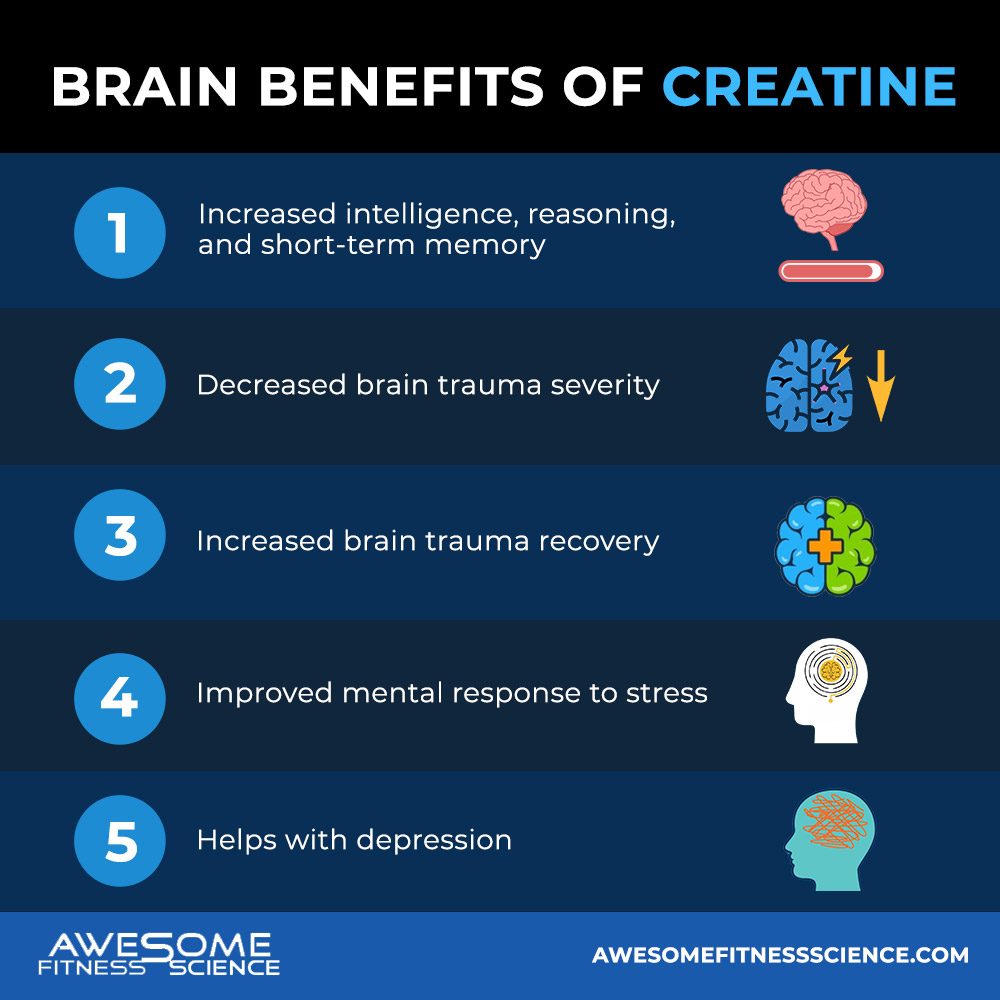
Beyond the gym, the conversation around creatine is shifting. Emerging research is beginning to examine whether these energy-boosting properties might also support brain health, mood, and cognitive function. This is particularly relevant for specific populations, including vegetarians, older adults, and individuals experiencing sleep deprivation, who may have lower baseline levels of the compound. As interest grows, experts emphasize that supplements should be viewed as a complement to, rather than a replacement for, a balanced diet rich in protein, carbohydrates, and healthy fats.
What You Should Know Before Supplementing
While creatine is widely considered safe for most individuals, the medical community maintains a consistent recommendation: consult with a healthcare provider before starting any new supplement regimen. This is essential to ensure that the intervention is appropriate for your specific health profile and to rule out any contraindications. Because individual needs vary, a personalized approach to nutrition and supplementation is always the gold standard.
As the scientific community continues to publish data on the long-term effects of creatine—moving from its traditional use in sports to broader potential applications in wellness—staying informed is key. Whether you are an athlete looking to refine your training or simply someone interested in the latest developments in metabolic health, the story of creatine is a reminder of how deeply interconnected our dietary choices are with our cellular vitality.
Key Takeaways
- Natural Production: Your body creates half of its daily creatine in the liver, kidneys, and pancreas; the rest comes from dietary sources like meat and fish.
- Primary Function: Creatine is a fundamental energy source that supports skeletal muscle contraction by helping regenerate ATP.
- Performance Benefits: Supplementation is clinically recognized for its ability to improve muscle strength and athletic performance during resistance training.
- Consultation is Essential: Always speak with a healthcare provider to ensure that any supplement is safe and appropriate for your individual medical history.
As we monitor ongoing clinical studies, further updates regarding the role of creatine in cognitive health and aging are expected. We encourage our readers to share their thoughts or questions in the comments section below. For those seeking personalized medical advice, please schedule a consultation with your primary care physician or a licensed sports medicine specialist to discuss your health goals.

Keep reading