
In the classrooms of León, Guanajuato, the traditional image of the stoic educator is being replaced by something far more dynamic: bells for active breaks, improvised drills, and a digital presence that blends superhero tropes with primary school pedagogy. At the center of this shift is Salvador Martínez García, a 36-year-old teacher who has captured the attention of both students and the digital community under the moniker “El_Profe_Batman.”
For Martínez García, who has spent nearly a decade in the classroom, the goal is not the pursuit of viral fame, but the pursuit of engagement. By integrating short-form video content and high-energy classroom dynamics, he is attempting to bridge the gap between the rigid structures of basic education and the rapidly evolving attention spans of a generation raised on digital media. His approach represents a broader trend in innovative teaching methods in Mexico, where educators are increasingly leveraging social media to reach students who feel alienated by traditional instruction.
Currently teaching at the Urbana 37 primary school, Martínez García utilizes a blend of humor, empathy, and technology to create a sanctuary for his students. His methodology recognizes that for many children, the classroom is not just a place for academic instruction, but a critical refuge from emotional or family instability. By transforming the learning environment into an engaging experience, he aims to be the mentor he wished he had during his own schooling.
The Pandemic Pivot: From YouTube to TikTok
The persona of “Profe Batman” was not a planned branding exercise but a response to a systemic crisis. The character emerged during the COVID-19 pandemic while Martínez García was teaching in the community of Playas de Sotelo, located between León, and Silao. In this region, a significant number of students lacked the reliable internet access required for standard online learning platforms.
Faced with the threat of his students falling behind, Martínez García began recording educational videos and uploading them to YouTube. These videos were then shared with parents, allowing students to continue their education from home despite the digital divide. This period served as a proof-of-concept for his current methods; he observed that students were significantly more attentive and receptive when information was delivered through a different, more engaging medium.
This realization prompted a permanent shift in his pedagogical strategy. Upon returning to the physical classroom, he transitioned from the “old school” model—where teachers explain a concept and then retreat—to a more interactive framework. This evolution eventually led him to TikTok, where he now mixes school-related humor with references to Batman to build a digital community that highlights the human and empathetic side of basic education.
The Toolkit of Engagement: Active Breaks and Roleplay
The “Profe Batman” method extends far beyond the screen. In the physical classroom at Urbana 37, Martínez García employs several specific strategies to maintain student focus and emotional regulation:
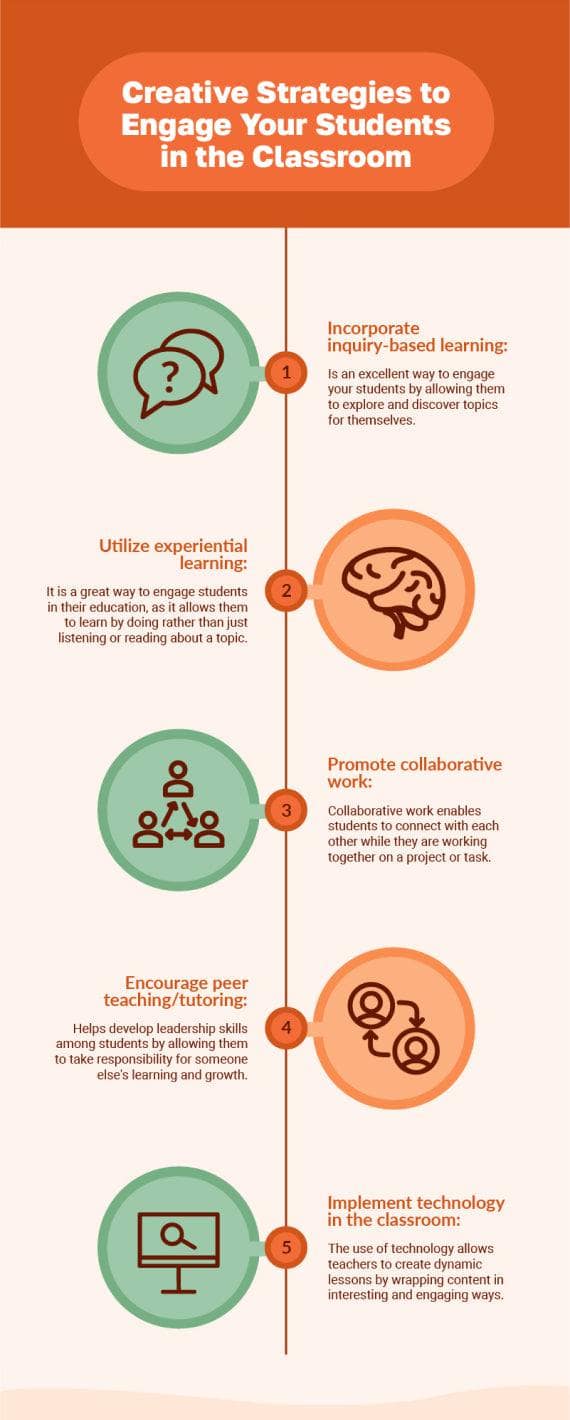
- Pausas Activas (Active Breaks): The use of compact bells to signal short, high-energy breaks that allow students to reset their focus.
- Improvised Drills: Spontaneous classroom activities and simulations that break the monotony of the lesson.
- Historical Personification: Bringing history to life by assuming the roles of historical figures, making abstract dates and events tangible for primary-aged children.
- Environmental Shifts: Frequently changing the physical layout of the classroom to prevent boredom and stimulate different types of social interaction.
These techniques are designed to combat the “school boredom” that Martínez García experienced as a student. Despite being a high-achieving pupil, he recalls finding traditional classes tedious. His current philosophy is driven by a piece of advice he received years ago: to become the teacher he always wanted to have.
The Intersection of Technology and Emotional Well-being
From a technological standpoint, the use of TikTok in an educational context is a strategic move to meet students where they already spend their time. For “Gen Alpha” students, short-form video is a primary mode of information consumption. By adopting this format, Martínez García is not merely “entertaining” students but is utilizing a cognitive hook to introduce academic concepts.
However, the technology serves a deeper purpose than academic delivery. Martínez García emphasizes that many of his students arrive at school carrying heavy emotional burdens. By using humor and a relatable digital persona, he lowers the affective filter—the psychological barrier that can prevent students from learning when they are stressed, anxious, or bored.
The “human side” of his digital presence is intended to show students that educators can be empathetic and fun, thereby strengthening the bond between the teacher and the pupil. This relationship is often the primary driver of student retention and success in basic education, particularly in underserved communities like those in Guanajuato.
Key Elements of the “Profe Batman” Approach
| Traditional Method | Profe Batman Method |
|---|---|
| Lecture-based delivery (“Explain and retreat”) | Interactive, dynamic, and persona-driven |
| Static classroom seating | Frequent changes in location and layout |
| Standard textbook reliance | Integration of TikTok, YouTube, and roleplay |
| Fixed instructional pace | Integration of “pausas activas” (active breaks) |
The Broader Impact on Basic Education
The success of Salvador Martínez García’s approach highlights a critical need for flexibility in the Mexican education system. As digital tools become more pervasive, the role of the teacher is shifting from being the sole source of knowledge to being a facilitator of engagement. The “Profe Batman” phenomenon suggests that when teachers are empowered to experiment with their delivery—and integrate elements of pop culture and technology—student motivation increases.
this model demonstrates the potential for social media to be used as a tool for professional development and community building among educators. By sharing his methods online, Martínez García provides a blueprint for other teachers looking to modernize their classrooms without sacrificing the core objectives of the curriculum.
As education continues to evolve in the post-pandemic era, the integration of “edutainment”—the blending of education and entertainment—is likely to become more prevalent. The challenge for the system will be to support teachers who take these creative risks, ensuring that innovation is balanced with academic rigor.
While there is no scheduled official government review of these specific methods, the ongoing growth of the “El_Profe_Batman” digital community serves as a real-time indicator of the demand for more empathetic and technologically integrated teaching styles in Mexico.
Do you think social media personas help or hinder the authority of teachers in the classroom? Share your thoughts in the comments below.
Keep reading