Presidents Donald Trump and Xi Jinping have concluded a high-stakes summit on Friday, May 15, 2026, with both leaders claiming that their discussions yielded crucial progress in stabilizing the often-volatile relationship between the United States and China. While the atmosphere was characterized by diplomatic courtesy, the official readout suggests that significant differences between the two superpowers persist.
The meeting comes at a critical juncture for global markets, as the administration of the 47th U.S. President continues to navigate complex economic and geopolitical tensions with Beijing. For global investors and policymakers, the emphasis on “stabilization” over immediate, concrete deals suggests a strategic pivot toward managing competition rather than resolving all underlying disputes in a single encounter.
From a business and economic perspective, the lack of a definitive breakthrough is not entirely unexpected. The current geopolitical climate is defined by deep-seated structural disagreements regarding trade, technology, and security. However, the mere act of stabilizing relations can serve as a catalyst for reduced market volatility, providing a more predictable environment for multinational corporations operating across both jurisdictions.
Stabilization vs. Breakthroughs: Analyzing the Summit Outcomes
According to reports from AP News, the summit wrapped up with claims of progress in stabilizing U.S.-China relations, though it was explicitly noted that differences persist. In the realm of international diplomacy, “stabilization” typically refers to the establishment of communication channels and a mutual agreement to avoid escalation, rather than the signing of comprehensive new treaties or trade agreements.
The distinction is vital for those tracking global economic policy. A “breakthrough” would imply a resolution to specific tariffs, intellectual property disputes, or market access restrictions. Stabilization, conversely, indicates a desire to maintain a functional relationship to prevent systemic shocks to the global economy. For the business community, this suggests that while the fundamental friction points remain, the risk of sudden, erratic escalations may be temporarily mitigated.
The persistence of these differences underscores the complexity of the current bilateral dynamic. Despite the optimistic rhetoric regarding progress, the two nations remain divided on core strategic interests. This tension creates a duality where diplomatic “pomp and protocol” coexist with rigorous competition in high-tech sectors and global influence.
The Significance of Diplomatic Protocol
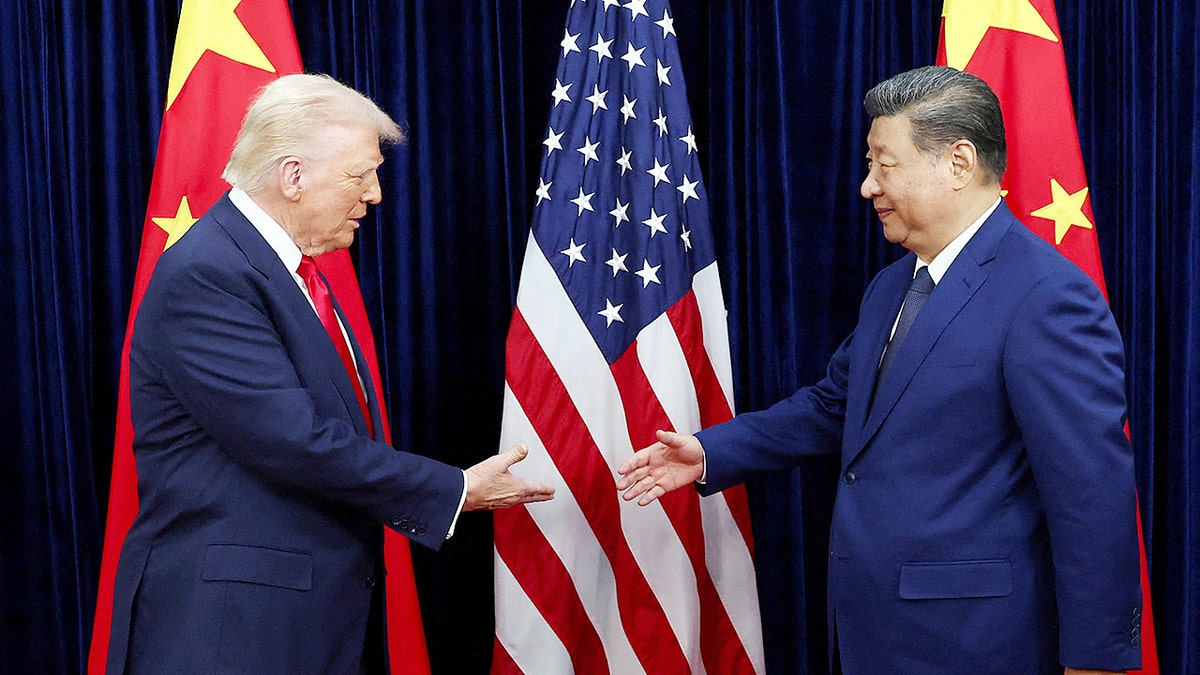
Observers of the visit have noted the heavy emphasis on choreography and protocol. In high-level diplomacy, particularly when President Trump engages with China, the visual and ceremonial aspects of the visit are often as significant as the closed-door negotiations. These elements are designed to signal respect and a willingness to engage, even when the actual policy gaps remain wide.
The use of such protocol serves several purposes. First, it provides a public face of cooperation that can soothe anxious markets. Second, it allows both leaders to project strength and legitimacy to their respective domestic audiences. When the substance of a meeting is focused on “stabilization” rather than “resolution,” the ceremonial aspects fill the void, signaling that the relationship is managed, if not fully healed.
For an economist, these signals are a form of non-verbal communication that informs risk assessments. When diplomacy is handled with high levels of protocol, it generally indicates a preference for a “managed competition” framework. What we have is far preferable to a breakdown in communication, which historically leads to abrupt policy shifts and increased costs for global supply chains.
Global Market Implications and Economic Outlook
The outcome of the Trump-Xi talks has immediate implications for global trade stability. When the world’s two largest economies signal a move toward stabilization, it typically reduces the “geopolitical risk premium” that investors bake into their valuations of companies with heavy exposure to Asia.
The persistence of differences means that businesses should not expect a sudden removal of trade barriers or a return to pre-tension era trade flows. Instead, the focus should remain on resilience and diversification. The “stabilization” mentioned by the leaders suggests that the rules of engagement are being clarified, which allows firms to plan for the long term with a clearer understanding of the constraints they face.
Key areas that will likely remain points of contention include:
- Technology Sovereignty: Disputes over semiconductors and artificial intelligence are deeply tied to national security and are unlikely to be resolved through stabilization talks alone.
- Trade Imbalances: While stabilization may prevent new tariffs, the structural imbalances that lead to trade friction remain a core part of the U.S. Economic agenda.
- Geopolitical Spheres of Influence: Divergent views on regional security and international governance continue to create friction that transcends economic agreements.
Key Takeaways from the Summit
| Metric | Outcome | Market Sentiment |
|---|---|---|
| Primary Goal | Stabilization of relations | Cautiously Optimistic |
| Deal Status | No major deals announced | Neutral/Expected |
| Atmosphere | Strong emphasis on protocol | Positive Signal |
| Core Status | Significant differences persist | Risk Remains |
What Happens Next?
With the summit concluded, the focus now shifts to the implementation of the “stabilization” efforts. The true measure of success will not be found in the joint statements issued on May 15, but in the subsequent actions of both Washington and Beijing. Markets will be watching for any signs of reduced rhetoric or a pause in the imposition of new restrictive measures.
The next critical checkpoint will be the upcoming official policy reviews and diplomatic follow-ups scheduled by the respective foreign ministries. Until concrete policy shifts are announced, the business community should view this summit as a successful exercise in risk management rather than a resolution of the underlying economic conflict.
As we continue to monitor the fallout of these talks, we encourage readers to share their perspectives on how this “stabilization” might affect their specific industries in the comments below.
Related reading