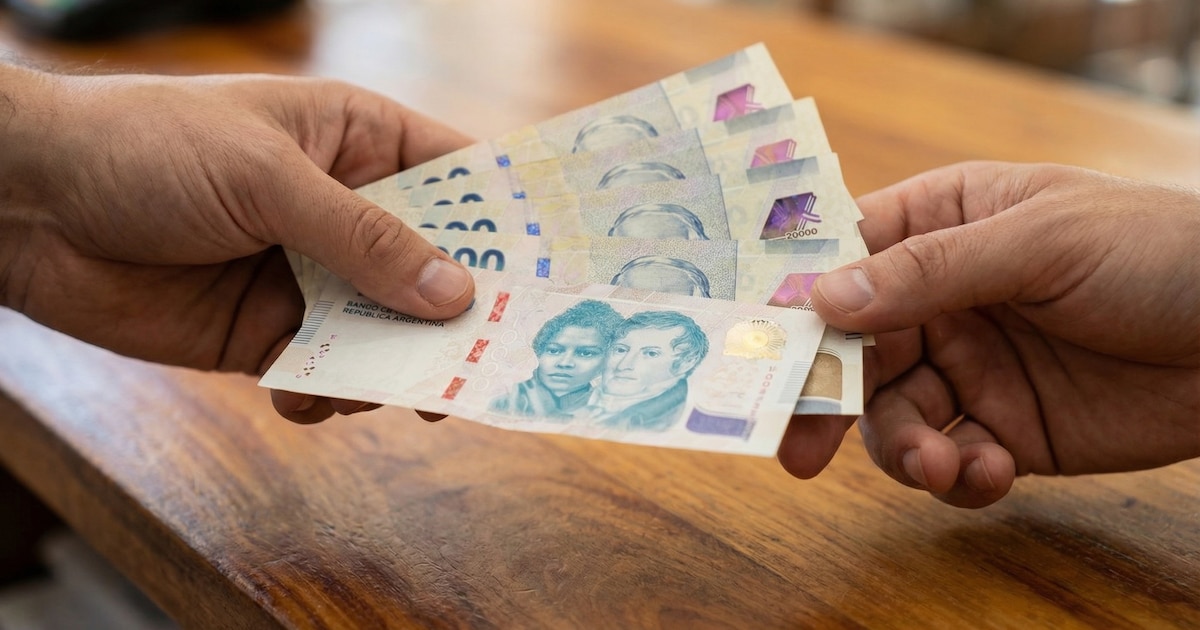
Credit to the private sector in Argentine pesos returned to growth in June 2024 after five consecutive months of decline, according to data from the Central Bank of Argentina (BCRA). This shift follows a period of contraction in lending as the government implements austerity measures and monetary policy adjustments to stabilize the economy and combat high inflation.
The recovery is highlighted by a significant increase in consumer credit usage. Credit card balances reached a total of 25.2 trillion pesos, representing a nominal monthly increase of 2.6% and a nominal annual increase of 29.2%, based on official BCRA reporting. These figures indicate a renewed reliance on revolving credit by households despite the broader economic volatility in the region.
The return of lending growth occurs within a complex macroeconomic framework. The administration of President Javier Milei has prioritized a “zero deficit” fiscal policy to curb the printing of pesos, which has historically driven inflation. The interplay between tighter monetary controls and the sudden uptick in private credit suggests a potential stabilization in borrowing behavior or a response to specific shifts in interest rate offerings from commercial banks.
Why did private sector credit resume growth in June?
The reversal of the five-month downward trend in peso-denominated credit is largely attributed to the stabilization of certain financial instruments and a shift in consumer spending patterns. According to reports analyzing BCRA data, the 2.6% monthly rise in credit card balances suggests that consumers are utilizing credit to maintain purchasing power as nominal wages struggle to keep pace with price increases.

Financial analysts note that the growth in the private sector credit market is often a lagging indicator of economic sentiment. When businesses and individuals begin borrowing again after a prolonged contraction, it typically signals an expectation of future stability or an urgent need for liquidity to fund operational costs. In Argentina’s case, the growth is heavily weighted toward consumer credit rather than long-term industrial investment loans.
The nominal annual increase of 29.2% in credit card debt must be viewed against the backdrop of Argentina’s triple-digit inflation. In real terms, the volume of credit may not be expanding as aggressively as the nominal figures suggest, as the purchasing power of the peso continues to erode. This creates a scenario where the “growth” in credit is partially a reflection of higher price levels for goods and services.
How are credit card balances impacting the economy?
The accumulation of 25.2 trillion pesos in credit card debt places a significant burden on household finances. According to the Central Bank of Argentina, the monitoring of credit balances is critical for assessing systemic risk within the banking sector. A rise in nominal debt without a corresponding rise in real income can lead to higher delinquency rates.
The current trend indicates a specific behavior: consumers are using credit cards as a short-term financing tool. This is a common response in high-inflation environments where the cost of borrowing today may be lower than the expected cost of the product tomorrow. However, this strategy depends on the stability of interest rates set by the BCRA and the commercial banks.
For the broader economy, the return of credit growth can provide a temporary cushion for consumption, preventing a deeper recessionary spiral. Yet, if this growth is driven exclusively by high-interest consumer debt rather than productive investment credit, it may not contribute to sustainable GDP growth. The distinction between “consumption credit” and “investment credit” remains a key point of analysis for the IMF and other international monitors observing Argentina’s recovery plan.
What happens next for Argentina’s financial sector?
The focus now shifts to whether the June growth represents a permanent trend change or a temporary fluctuation. Market participants are watching the BCRA’s next set of monetary policy announcements to see if interest rates will be adjusted to further discourage inflation or to encourage more productive lending.

The government continues to push for the “de-pesization” of the economy and the reduction of the monetary base. If the BCRA succeeds in lowering inflation, the demand for nominal credit may stabilize, and the quality of the credit portfolio—measured by the ratio of non-performing loans—should improve.
The next official update on credit statistics and monetary aggregates will be released by the Central Bank of Argentina in its upcoming monthly financial report. This data will confirm if the upward trajectory of private sector credit persisted through July and August.
We invite readers to share their perspectives on the Argentine credit market in the comments section below.