
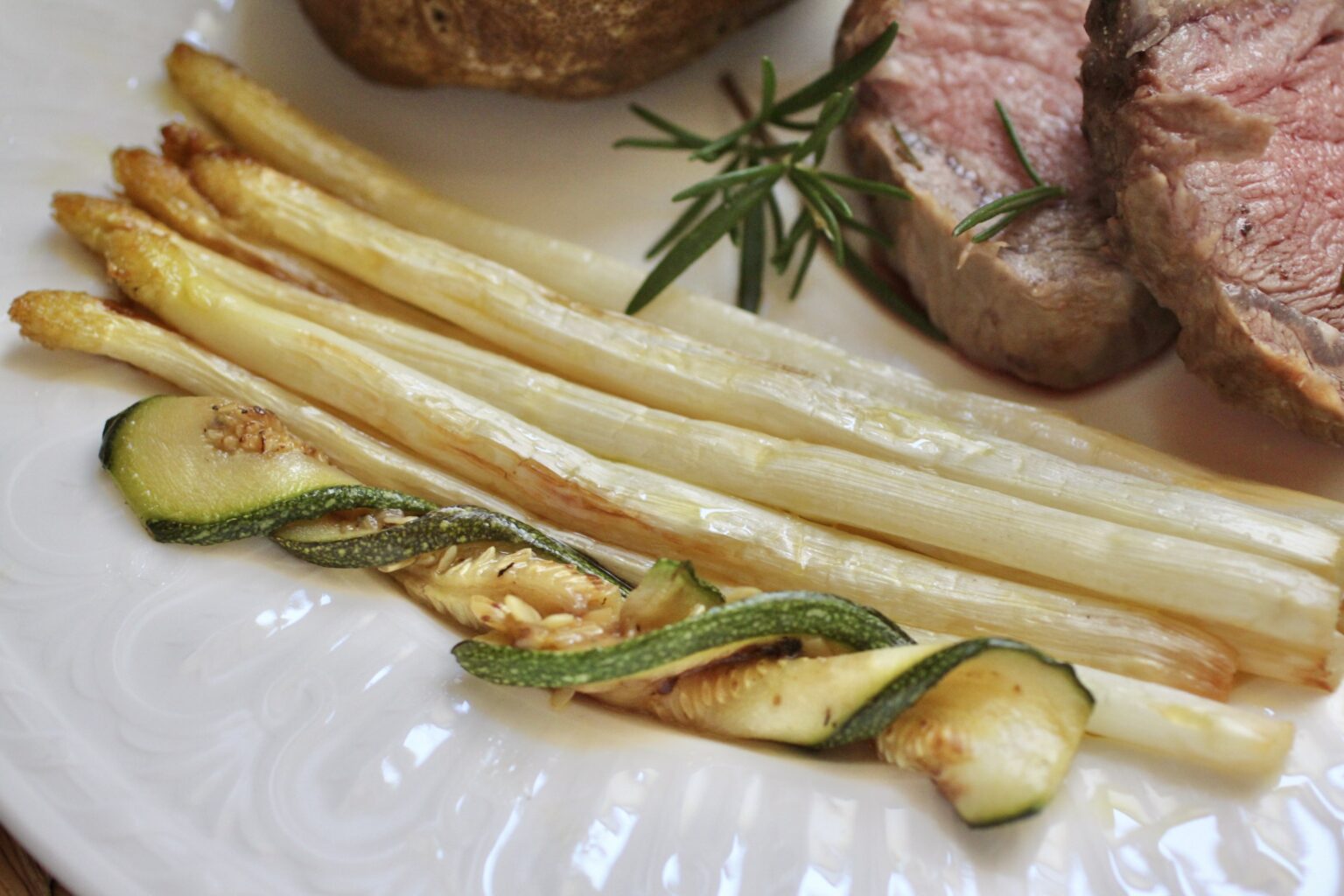
Asparagus season brings a special kind of joy to kitchens around the world, and few preparations highlight its delicate flavor quite like a simple pan-seared dish. When white asparagus meets the heat of a skillet with just a touch of oil, it transforms into something deeply aromatic—tender inside, lightly caramelized outside. This method, far from being an afterthought to boiling or steaming, has become a favorite for those seeking maximum flavor with minimal effort. The result is a versatile side or light main that feels both rustic and refined, perfect for springtables and everyday meals alike.
The appeal lies in its simplicity: no complicated techniques, no hard-to-find ingredients, just fresh spears, a good oil, and a hot pan. White asparagus, known for its mild, slightly sweet taste, develops nutty, toasty notes when sautéed—qualities that stand up beautifully to a sprinkle of salt and pepper. Unlike its green counterpart, white asparagus must be peeled before cooking due to its thicker, fibrous outer layer, a step that ensures even tenderness from tip to base. Once prepped, it requires only minutes in the pan to reach ideal doneness, making it a go-to for busy cooks who still want something special on the plate.
This approach isn’t just about convenience—it’s about taste. Dry heat encourages Maillard browning, creating complex flavor compounds that water-based cooking simply can’t replicate. As the stalks turn golden at the edges, their natural sugars concentrate, offering a depth that elevates the humble vegetable into something crave-worthy. Many home cooks find themselves reaching for this method again and again, not because it’s trendy, but because it consistently delivers satisfaction. It’s the kind of recipe that earns a permanent spot in the rotation, praised not for innovation but for reliability and flavor.
To prepare white asparagus for pan-searing, start by washing the spears thoroughly under cool water. Using a vegetable peeler, remove the outer layer from just below the tip down to the complete—this eliminates any toughness and promotes even cooking. Trim about half an inch from the woody base, then decide whether to leave the spears whole, cut them into diagonal pieces, or slice them lengthwise for faster, more uniform browning. Whole spears offer an elegant presentation, while smaller pieces cook quicker and integrate easily into mixed dishes.
Heat one or two tablespoons of neutral oil—such as grapeseed, canola, or light olive oil—in a skillet over medium heat. Once shimmering, add the asparagus in a single layer, avoiding overcrowding which can lead to steaming instead of browning. Let them sit undisturbed for a minute or two to develop color, then toss or stir occasionally. Depending on thickness and cut, whole spears take 10–12 minutes to become tender-crisp with golden patches, while smaller pieces may require only 6–8 minutes. The goal is even coloration without burning—adjust heat as needed if the pan runs hot.
Finish with a simple seasoning of flaky sea salt and freshly cracked black pepper. For added richness, a small knob of butter stirred in during the last minute of cooking imparts a luxurious gloss and rounds out the flavor. Some prefer to drizzle with high-quality extra virgin olive oil just before serving, especially if using a fruity or peppery variety that complements the asparagus’s earthiness. A squeeze of lemon juice at the end can brighten the dish, though purists often enjoy it unadorned to let the vegetable’s natural character shine.
Nutritionally, white asparagus is a light yet nourishing choice. A typical serving provides modest amounts of protein and fiber, along with vitamins A, C, E, and K, as well as folate and potassium. When cooked with a modest amount of heart-healthy oil, it fits well within balanced eating patterns—whether one follows a vegan, lactose-free, or lower-carbohydrate lifestyle. Its low calorie density makes it filling without being heavy, ideal as a prelude to a main course or as the centerpiece of a vegetarian plate.
Variations abound for those looking to build on the foundation. Garlic slices or smashed cloves added to the pan in the last few minutes infuse the oil with savory depth—just be sure to remove them before they burn. A sprinkle of grated Parmesan or nutritional yeast tossed in at the end adds umami and texture. For a herbal note, fresh thyme or rosemary sprigs can be warmed with the oil before adding the asparagus, then removed before serving. Some cooks even deglaze the pan with a splash of white wine or vegetable broth after cooking, scraping up the browned bits to create a quick pan sauce.
Leftovers, if any, store well in an airtight container in the refrigerator for up to three days. Reheated gently in a skillet over low heat, they regain much of their original texture—though they’re often enjoyed cold or at room temperature, tossed into salads or grain bowls for added crunch and flavor. This resilience makes the dish not only delicious fresh but likewise practical for meal prep, a bonus for those aiming to eat well without daily cooking.
The enduring popularity of pan-seared white asparagus speaks to a broader truth in home cooking: sometimes the most memorable meals come from the simplest techniques. By respecting the ingredient and applying just enough heat to reveal its best qualities, cooks achieve results that feel both intentional and effortless. It’s a reminder that flavor doesn’t always require complexity—often, it’s waiting in the pan, ready to be unlocked with patience and attention.
For anyone looking to make the most of asparagus season, this method offers a reliable, delicious path forward. Whether served alongside poached eggs and hollandaise for a brunch-worthy plate, paired with grilled fish or chicken for dinner, or simply eaten straight from the skillet as a savory snack, pan-seared white asparagus proves that the best recipes are often the ones we return to again and again—not because they’re complicated, but because they work, every time.