
In the world of international cinema, few names carry the weight and intellectual rigor of Romanian director Cristian Mungiu. A foundational figure in the Romanian New Wave, Mungiu has long been recognized for his unflinching examination of societal pressures, moral dilemmas, and the friction between individual agency and institutional authority. His work, which frequently dissects the lingering complexities of post-communist life, has solidified his status as a master of contemporary realist storytelling.
The director’s career is indelibly linked to the Cannes Film Festival, where his contributions have consistently challenged audiences and critics alike. Mungiu first achieved global prominence in 2007 with 4 Months, 3 Weeks and 2 Days, a harrowing and precise exploration of reproductive rights during the final years of the Ceaușescu regime. The film’s victory, claiming the festival’s top prize, the Palme d’Or, marked a watershed moment for Romanian cinema, signaling the arrival of a distinct and powerful voice on the world stage, as noted in official records from the Cannes Film Festival archives.
Since that breakthrough, Mungiu has remained a recurring presence on the Croisette, presenting works such as Beyond the Hills and Graduation, both of which garnered significant acclaim for their technical precision and deep psychological insight. His ability to render the minutiae of human suffering and ethical compromise with such clarity has made him a perennial subject of discussion among cinephiles and cultural historians. For those following the trajectory of European art-house film, Mungiu’s projects serve as vital barometers for the state of social discourse in the region.
The Evolution of a Cinematic Vision
Mungiu’s approach to filmmaking is characterized by a commitment to long takes, observational framing, and a refusal to offer easy moral resolutions. Unlike directors who rely on stylistic artifice, Mungiu prioritizes the authenticity of the moment, creating spaces where actors can inhabit the contradictions of their characters. This methodology has proven particularly effective in his explorations of the tension between traditionalist values and the encroaching currents of liberalism, a theme he has revisited across multiple decades.
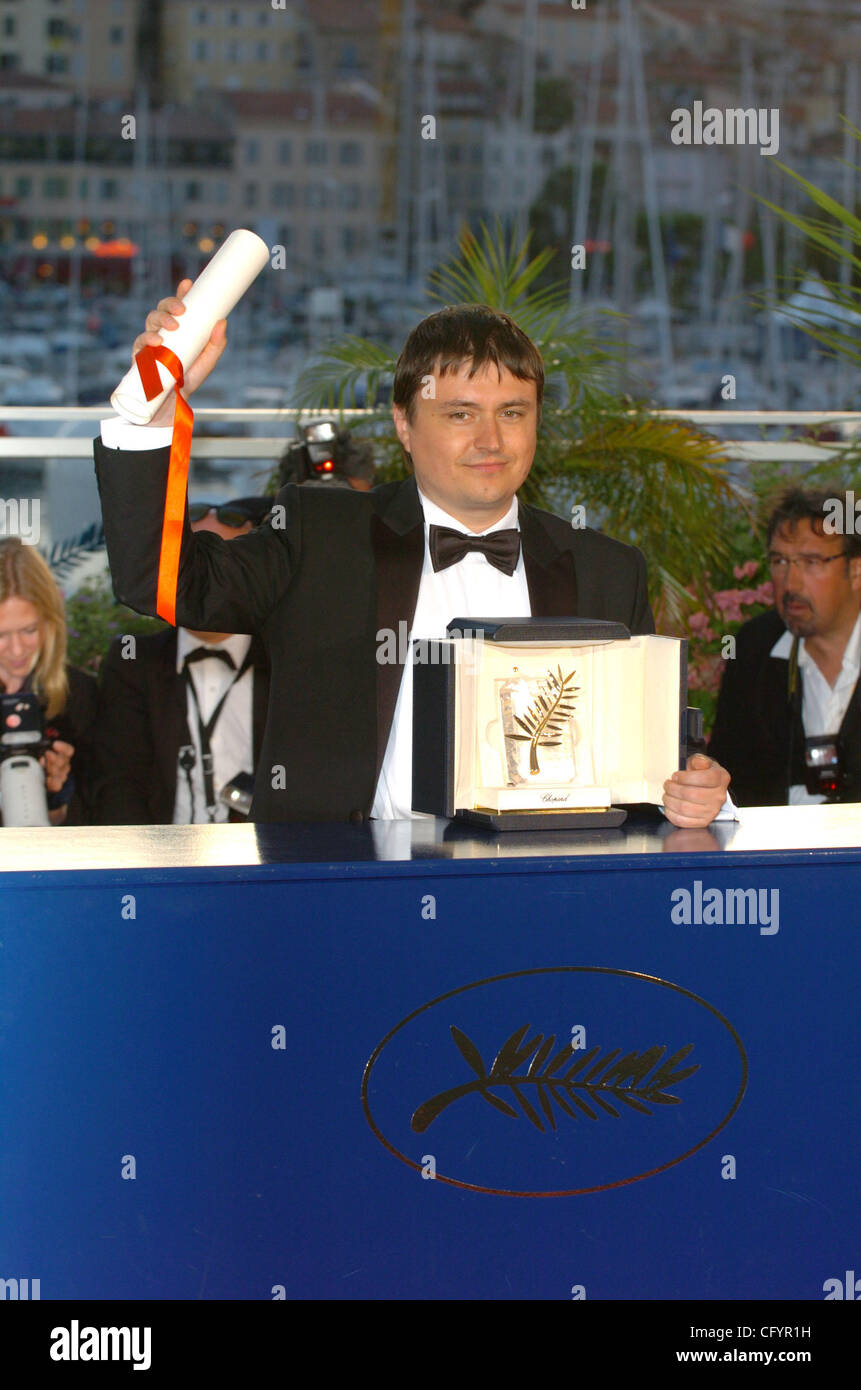
The director’s consistency is perhaps his most remarkable trait. Whether navigating the bureaucratic labyrinth of a small town in Graduation or the claustrophobic confines of a rural monastery in Beyond the Hills, Mungiu maintains a clinical, almost journalistic, distance that paradoxically brings the audience closer to the emotional stakes of the narrative. This balance is what distinguishes his work from the broader landscape of festival cinema, earning him a reputation for being an “auteur” in the most traditional sense—an artist with a singular, recognizable perspective on the human condition.
Global Impact and Cultural Context
The influence of Mungiu’s work extends far beyond the borders of Romania. By situating his stories within specific, localized contexts, he touches upon universal truths regarding power dynamics, family obligation, and the erosion of individual identity within rigid societal structures. His films are frequently studied in academic circles for their depiction of the “moral gray zone,” a space where characters are forced to choose between competing ethical imperatives, often resulting in tragic or deeply compromised outcomes.
As the cinematic landscape continues to shift toward globalized content, the demand for stories that retain a strong sense of place and cultural specificity remains high. Mungiu’s ability to bridge this gap—maintaining a distinctly Romanian identity while engaging with universal themes—ensures that his impact on the medium will be felt for years to come. His tenure as a festival favorite and a standard-bearer for European auteurism underscores the enduring power of the medium to act as a mirror for society’s most persistent anxieties.
Looking Ahead: The Continued Influence of the Romanian New Wave
The legacy of the Romanian New Wave, which gained international traction in the mid-2000s, continues to provide a framework for understanding modern Eastern European cinema. Directors like Mungiu have paved the way for a younger generation of filmmakers, demonstrating that limited budgets and restrictive production environments do not preclude the creation of world-class, intellectually demanding art. For those interested in the ongoing developments of this movement, the Romanian Film Festival and similar cultural institutions provide ongoing documentation of how these artists continue to innovate.
As we look toward the future of global cinema, the contributions of directors like Mungiu remain essential. By consistently challenging the audience to confront uncomfortable realities, he ensures that the conversation around film as a tool for social inquiry remains vibrant, and necessary. Whether he is revisiting the past or engaging with the pressing issues of the present, his work stands as a testament to the power of the director’s chair to shape, and perhaps even change, our collective understanding of the world.
We invite our readers to share their thoughts on the evolution of Mungiu’s filmography in the comments section below. How do you see the themes of his early work reflected in the current era of international cinema? Your insights are a vital part of our ongoing coverage of global culture.
Keep reading