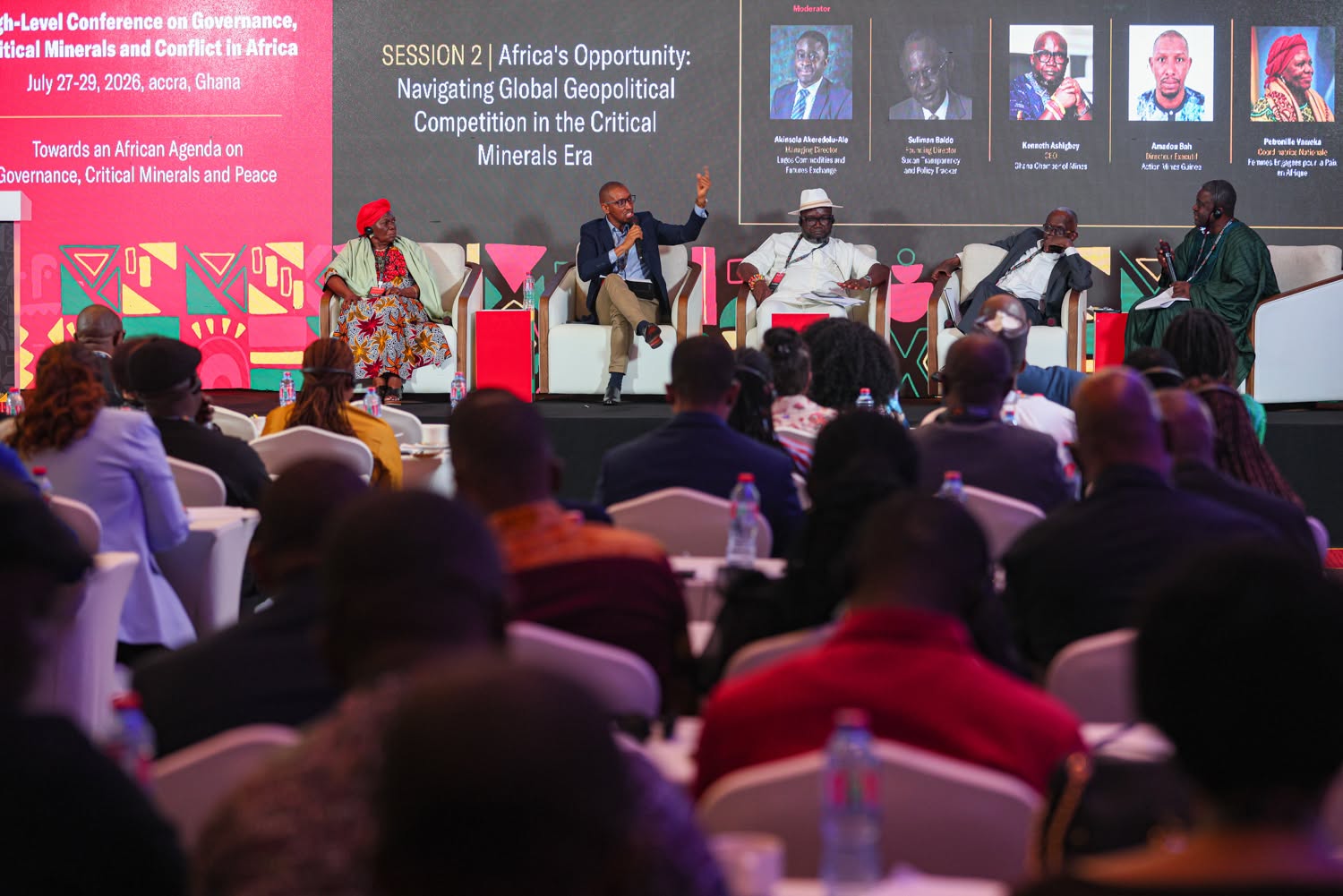
African governments and international policymakers are increasingly focusing on critical minerals as a strategic foundation for sustainable development, economic sovereignty, and regional stability.
This evolving economic strategy addresses a long-standing vulnerability. For decades, many African states extracted raw ores—including cobalt, lithium, manganese, and graphite—only to ship them abroad for processing, forfeiting the majority of the value chain. Current multilateral discussions emphasize that local value addition can generate high-skilled employment, bolster government revenues, and finance infrastructure projects that support long-term peacebuilding.
The global race for energy transition materials has placed African mineral reserves at the center of international diplomacy. With demand for lithium and cobalt surging alongside electric vehicle manufacturing and renewable energy infrastructure deployment, industrial economies are actively negotiating bilateral partnerships with African capitals to secure resilient supply chains.
Shifting from Extraction to Industrial Processing
A primary objective for resource-producing nations is capturing a larger share of the economic value generated by the green transition. Historically, raw minerals left African ports with minimal domestic processing, limiting tax revenues and local industrial growth.
In response, several governments have introduced regulatory measures requiring mining companies to invest in local refining facilities.
Analysts note that establishing local refining plants requires substantial capital investment, reliable electricity grids, and advanced technical training programs, prompting governments to seek joint ventures with international partners that commit to technology transfer.
Geopolitical Partnerships and the European Energy Transition
Industrial economies face acute supply concentration risks, relying heavily on a small number of nations for critical raw materials. To mitigate these vulnerabilities, international actors have sought diversified partnerships across Africa.
European policymakers emphasize that future trade agreements must incorporate infrastructure investments, renewable energy development, and environmental protection standards rather than traditional extraction models.
These cooperative frameworks aim to address legitimate historical grievances regarding environmental degradation and local community displacement. By tying foreign direct investment to strict environmental, social, and governance (ESG) standards, participating governments hope to ensure that mining operations contribute directly to community development rather than fueling local conflict.
Financing Regional Stability and Infrastructure
Transforming mineral wealth into a driver of peace requires targeted investments in public goods, transparent revenue management, and security sector reform.
In regions affected by historic instability, formalizing artisanal and small-scale mining (ASM) represents a critical security challenge. Millions of workers depend on artisanal mining for their livelihoods, but informal operations often operate outside regulatory oversight, sometimes funding illicit armed groups. Multilateral programs now focus on integrating artisanal miners into formal cooperatives, providing fair market access, and enforcing safety standards.
By replacing illicit supply chains with regulated commercial channels, governments can stabilize fragile regions, reduce conflict financing, and improve working conditions. This security-development nexus underscores why resource governance remains a central pillar of regional diplomacy across the continent.
Outlook and Upcoming Multilateral Engagements
The framework for managing critical raw materials will face further scrutiny at upcoming international summits and trade forums. Policymakers, industry leaders, and civil society organizations are scheduled to convene at upcoming ministerial dialogues hosted by the African Union and international trade bodies to review progress on local value-addition targets and supply chain transparency standards.
We welcome your perspectives on this evolving economic landscape. Please share your thoughts or join the conversation in the comments below.
- US and Israel Launch Joint Strikes on Iran: Middle East Conflict Escalates
- Second-Party Audits: Securing Food Industry Supplier Quality
- Hot Oatmeal with Fruits & Natural Ingredients for Energy & Satiety (world-today-news.com)
- Netanyahu Meets Trump in Washington to Prioritize Iran Security Strategy (time.news)