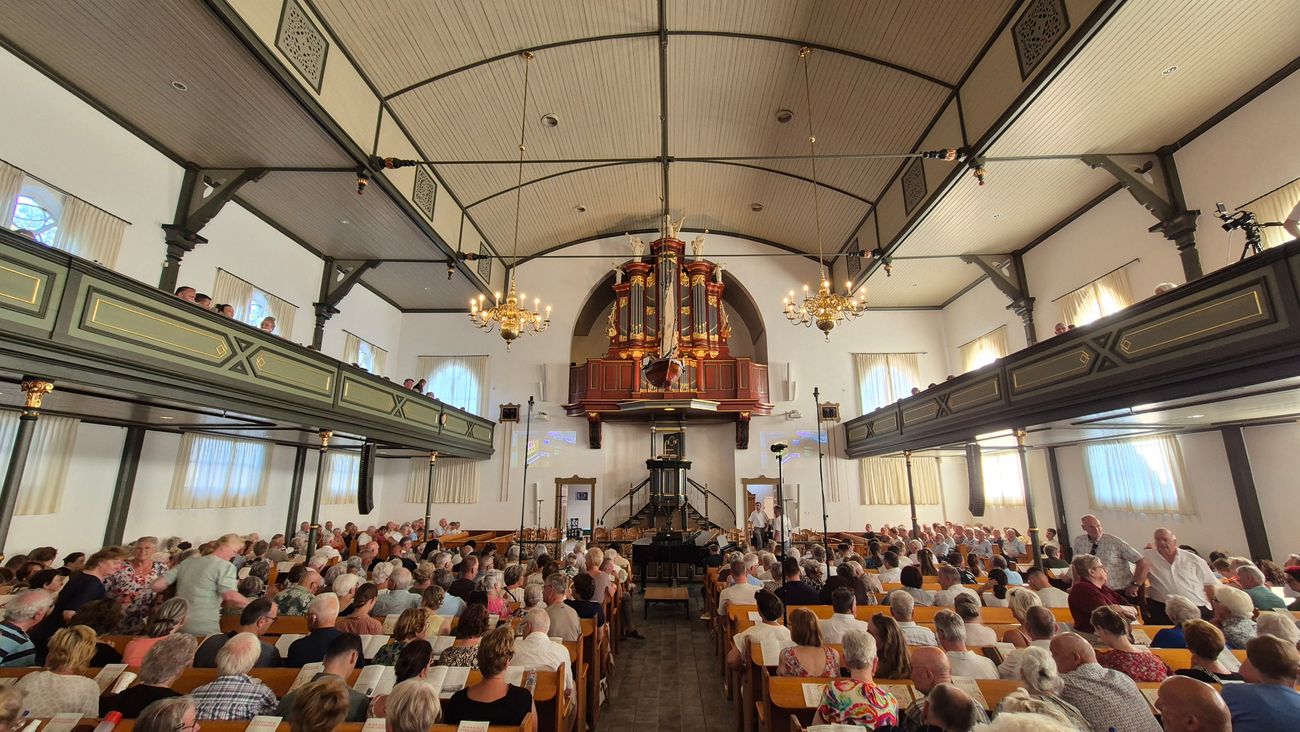
Visitors from across the Netherlands are traveling to Flevoland to attend the popular “Zingen in de Zomer” (Singing in the Summer) events, frequently waiting up to an hour in lines stretching outside local churches. The series, which has become a significant fixture in the Dutch regional calendar, draws large crowds of participants who gather to sing traditional hymns and spiritual songs in a communal setting.
The popularity of these gatherings highlights a sustained interest in choral and community singing traditions within the Netherlands. Organizers note that the events attract a diverse demographic, ranging from local residents to visitors who travel significant distances specifically to participate in the collective musical experience.
The Appeal of Community Singing
The phenomenon of “Zingen in de Zomer” is rooted in the tradition of congregational singing, a practice that has evolved into a social and cultural event. According to reports regarding these summer gatherings, the high turnout often results in queues forming well before the doors open, with some attendees waiting for sixty minutes to secure a seat in the host church buildings.
This level of engagement suggests that for many participants, the event serves as both a musical and a social outlet. The selection of music typically focuses on well-known spiritual repertoire, which encourages active participation from the audience rather than passive listening. This interactive element is widely cited by participants as a primary reason for their attendance.
Logistical Challenges and Venue Capacity
The influx of visitors creates logistical challenges for the host churches, which must manage high demand within the limitations of their physical capacity. Because these historic or community-focused buildings are not always designed to accommodate large-scale modern crowds, the organizers have had to implement structured entry procedures.
The necessity of waiting in line for an hour serves as a testament to the event’s reach. Local organizers have observed that while the wait time can be significant, it often contributes to the communal atmosphere, as attendees have the opportunity to interact with one another before the singing commences. Managing these crowds requires coordination between volunteers and local authorities to ensure safety and accessibility, particularly as the events are held during the peak summer season.
Cultural Significance in the Region
The success of the “Zingen in de Zomer” series reflects broader trends in community engagement in Flevoland. By utilizing church spaces as cultural hubs, the series bridges the gap between traditional religious practice and contemporary community building. For many attendees, the act of singing together in a crowded, acoustic-friendly environment provides a sense of belonging and continuity with long-standing Dutch musical traditions.
The organizers continue to rely on the support of volunteers to manage the events. As the summer season progresses, the interest remains high, with social media and word-of-mouth recommendations driving new visitors to the regional churches each week. The event remains a free or low-cost activity, which remains a key factor in its accessibility to a wide range of age groups.
Looking Ahead
The “Zingen in de Zomer” series is scheduled to continue throughout the remainder of the summer months, with updated schedules usually released via local municipal and church information channels. Attendees are generally advised to arrive early to avoid the longest queues and to check official local listings for any venue-specific capacity changes or weather-related adjustments.

As the series approaches its final sessions of the season, organizers expect the high turnout to continue. For those interested in attending, checking local updates remains the most effective way to confirm start times and specific location requirements. We encourage our readers to share their own experiences with regional summer music events in the comments section below.
Keep reading