
Bitcoin’s Resilience Questioned as Saylor Continues Accumulation, Schiff Raises Concerns
The cryptocurrency world is once again abuzz with debate surrounding Bitcoin’s price trajectory, as prominent investor Michael Saylor signals continued accumulation despite skepticism from veteran economist Peter Schiff. Schiff has publicly questioned the logic behind Saylor’s strategy, particularly in light of recent market fluctuations, suggesting potential downside risks for the digital asset. This ongoing exchange highlights the contrasting perspectives within the financial community regarding Bitcoin’s long-term viability and its role as a store of value. The core of the debate centers on whether continued investment, even by a significant holder like Saylor, can counteract broader market forces and maintain—or even increase—Bitcoin’s price.
Saylor, the Executive Chairman of MicroStrategy Incorporated (Nasdaq: MSTR), has develop into a vocal advocate for Bitcoin and his company holds substantial amounts of the cryptocurrency on its balance sheet. His continued confidence in Bitcoin, even amidst criticism, is fueling speculation about further purchases. Schiff, a well-known gold bug and Bitcoin critic, consistently argues that Bitcoin is a speculative bubble and lacks the fundamental characteristics of a sound investment. The clash between these two figures underscores the polarized opinions that characterize the cryptocurrency landscape.
Saylor’s Bitcoin Thesis and MicroStrategy’s Strategy
Michael Saylor’s investment thesis revolves around the idea that Bitcoin is a superior store of value compared to traditional assets, particularly in an environment of monetary inflation. He has previously articulated scenarios where Bitcoin could reach a valuation of $1 million per coin, contingent on factors such as increased adoption and limited supply. In a December interview, Saylor posited that if MicroStrategy were to acquire approximately 5% of Bitcoin’s circulating supply, the price could potentially approach $1 million. StockTwits reported on this forecast, highlighting the ambitious nature of Saylor’s projections.

MicroStrategy’s strategy of holding Bitcoin as a treasury reserve asset has been a subject of intense scrutiny. The company has financed its Bitcoin purchases through debt and equity offerings, raising concerns among some analysts about the financial risks associated with this approach. However, Saylor maintains that Bitcoin is a long-term investment that will ultimately deliver significant returns. The company’s commitment to Bitcoin is evident in its continued purchases, even during periods of price volatility. As of April 29, 2026, MicroStrategy held approximately 214,246 bitcoins, acquired at an aggregate cost of $6.637 billion, representing an average cost of $30,946 per bitcoin. MicroStrategy’s Investor Relations page provides detailed information on their Bitcoin holdings.
Schiff’s Counterarguments and Concerns About a “Death Spiral”
Peter Schiff remains steadfast in his criticism of Bitcoin, arguing that its price is driven by speculation rather than intrinsic value. He frequently points to Bitcoin’s volatility and its lack of widespread adoption as evidence of its inherent flaws. Schiff has warned that MicroStrategy could face a “death spiral” if Bitcoin’s price declines significantly, potentially jeopardizing the company’s financial stability. He believes that the current market enthusiasm for Bitcoin is unsustainable and that a correction is inevitable.
Schiff’s skepticism stems from his belief in the enduring value of gold as a safe-haven asset. He argues that gold has a long history of preserving wealth during times of economic uncertainty, while Bitcoin is a relatively new and unproven technology. He also criticizes Bitcoin’s energy consumption and its potential for illicit activities. Schiff’s views are often expressed through his social media channels and in interviews with financial news outlets. He consistently frames Bitcoin as a risky and speculative investment that is likely to disappoint investors in the long run.
Market Context and Recent Developments
The debate between Saylor and Schiff unfolds against a backdrop of fluctuating Bitcoin prices and evolving market sentiment. As of April 30, 2026, Bitcoin was trading around $79,000, having experienced significant gains in recent months. However, the cryptocurrency market remains highly volatile, and prices can swing dramatically in response to news events and regulatory developments. CCN reports that Bitcoin traded near $79,000 on April 27 as Bitcoin 2026 opened in Las Vegas.
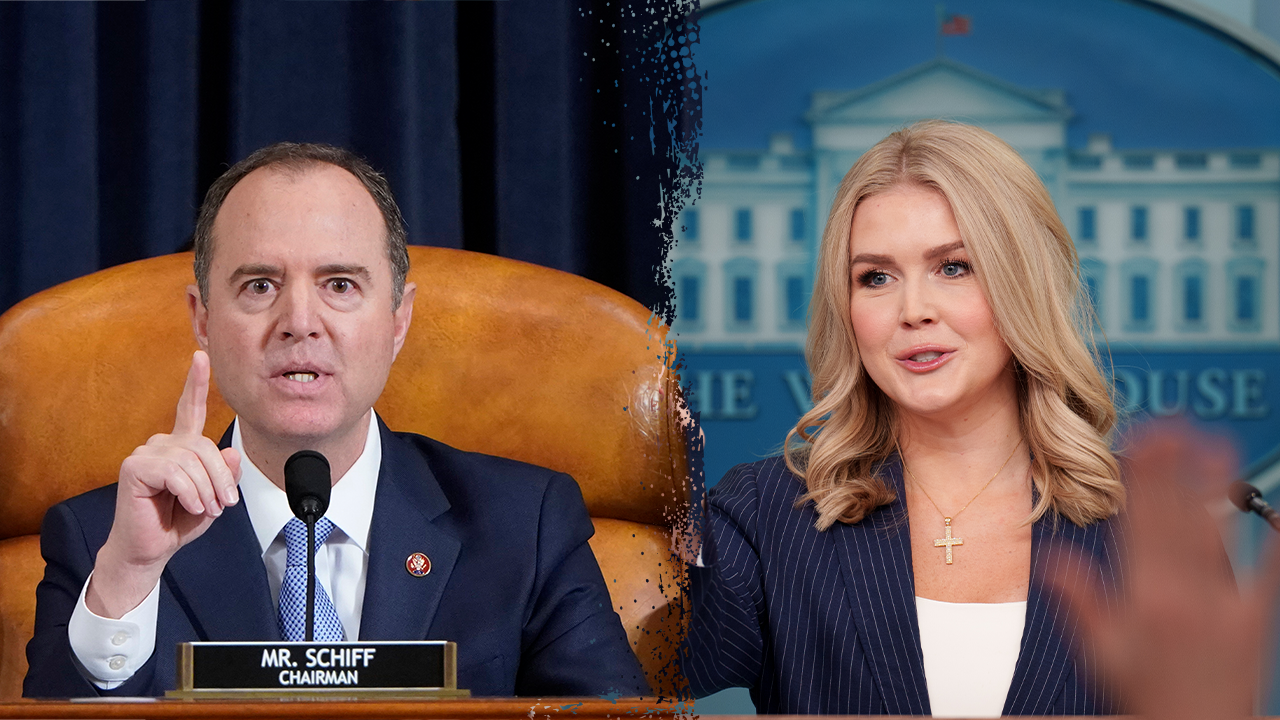
Recent developments, such as the White House’s confirmation of plans for a strategic Bitcoin reserve, have injected renewed optimism into the market. This move signals growing acceptance of Bitcoin by mainstream institutions and could potentially attract further investment. However, regulatory uncertainty remains a significant challenge for the cryptocurrency industry. The U.S. Securities and Exchange Commission (SEC) is currently reviewing several applications for Bitcoin exchange-traded funds (ETFs), and the outcome of these reviews could have a major impact on the market. SEC Chair Paul Atkins is scheduled to appear at the Bitcoin 2026 conference, placing U.S. Crypto policy on the agenda.
The Role of ETFs and Institutional Investment
The increasing interest from institutional investors, driven in part by the potential approval of Bitcoin ETFs, is a key factor influencing the market. ETFs would provide a more accessible and regulated way for investors to gain exposure to Bitcoin, potentially attracting a wider range of participants. The demand for Bitcoin from ETFs and other institutional players is putting upward pressure on prices, but it also raises concerns about potential market manipulation and systemic risk. Galaxy CEO Mike Novogratz has warned that there may not be enough Bitcoin supply to meet the growing demand from institutional investors and Saylor’s buying strategy.
Looking Ahead: Key Factors to Watch
The future of Bitcoin remains uncertain, and its price trajectory will likely depend on a number of factors, including regulatory developments, institutional adoption, and macroeconomic conditions. The ongoing debate between Saylor and Schiff highlights the fundamental disagreements that exist within the financial community regarding Bitcoin’s long-term prospects. Investors should carefully consider these differing perspectives and conduct their own due diligence before investing in Bitcoin or other cryptocurrencies.
Key events to watch in the coming months include the SEC’s decision on Bitcoin ETF applications, any further announcements from the White House regarding its Bitcoin reserve, and the overall performance of the global economy. The outcome of these events will likely shape the narrative surrounding Bitcoin and influence its price in the short to medium term. The next major checkpoint for MicroStrategy will be its first-quarter earnings report, scheduled for release in early May, which will provide further insight into the company’s Bitcoin holdings and its financial performance.
What are your thoughts on Bitcoin’s future? Share your opinions in the comments below.