
Controversy Surrounds Okinawa Prefecture’s “Peace Learning” Advisor Appointment
A recent decision by the Okinawa prefectural government to appoint an individual with ties to protests against the relocation of a U.S. Marine Corps base to Henoko Bay as an advisor for a “peace learning” program has sparked criticism and raised questions about the impartiality of the initiative. The appointment, revealed by Sankei Shimbun, involves a person identified as having been a “captain trainee” on vessels used in demonstrations opposing the base construction. This development comes just over a month after a tragic incident in March 2026, where two people died when protest boats capsized off the coast of Henoko. The incident has already prompted scrutiny of safety protocols and the motivations of those involved in the ongoing demonstrations.
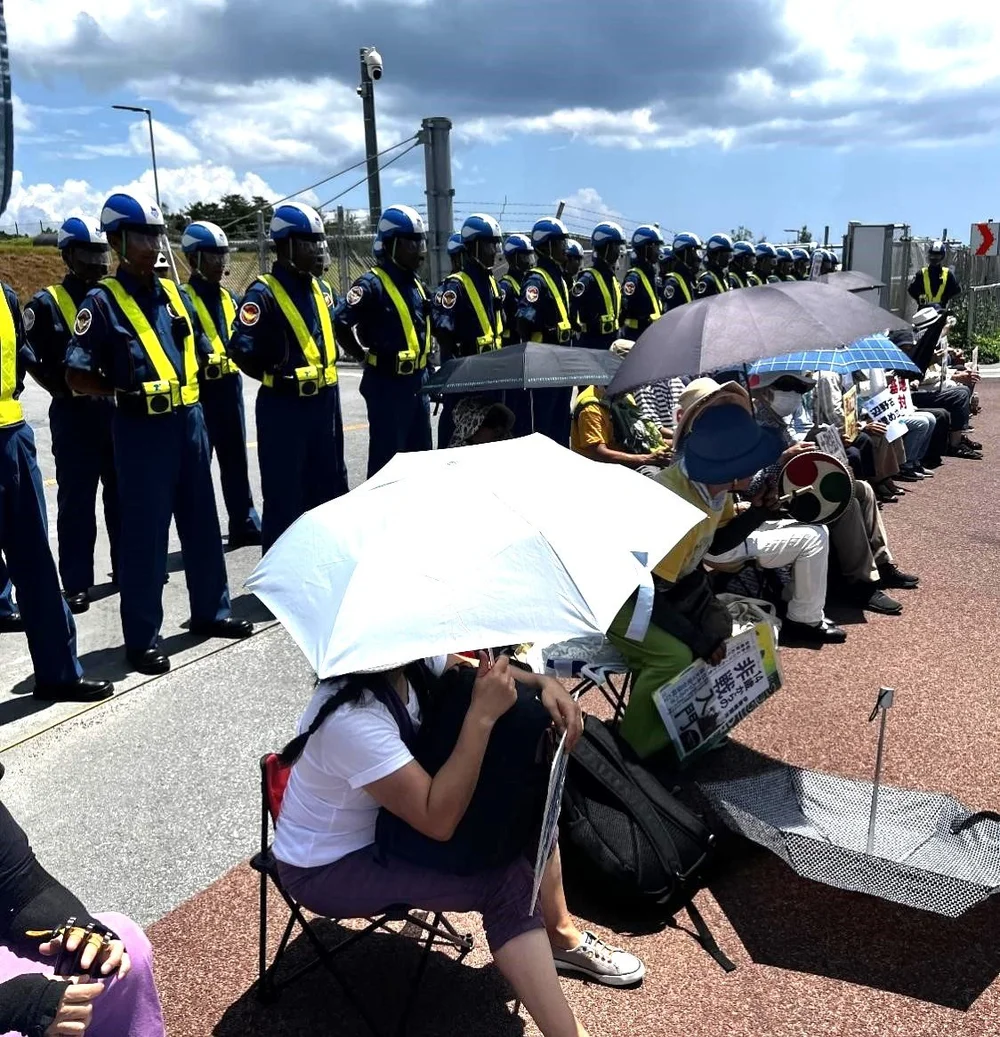
The “peace learning” program, commissioned by the Okinawa prefectural government, aims to educate students about the history of the region and the importance of peace. Critics argue that appointing someone directly involved in the anti-base movement compromises the program’s objectivity and potentially indoctrinates students with a particular political viewpoint. The timing of the appointment, so soon after the fatal boat accident, has further fueled concerns about sensitivity and respect for the victims and their families. The prefectural government has yet to issue a comprehensive response to the criticism, but local officials have indicated they believe the advisor’s experience offers a valuable perspective on the complex issues surrounding the base relocation.
The Henoko Bay Incident and Subsequent Investigation
On March 16, 2026, two small boats used by activists protesting the relocation of the U.S. Marine Corps air station from Futenma to Henoko Bay capsized in rough seas. According to reports from the 11th Regional Coast Guard Headquarters, the incident occurred around 10:10-10:12 AM Japan Standard Time. Eighteen students from Komazawa University High School, who were on a school trip, and three crew members were aboard the vessels. Tragically, a 17-year-old female student and a 71-year-old male pastor, identified as the “captain” of one of the boats, died as a result of the accident. Fourteen students and two crew members sustained injuries. Wikipedia details the incident, noting the boats were owned by the All-Okinawa Council, a coalition of groups opposing the base relocation.
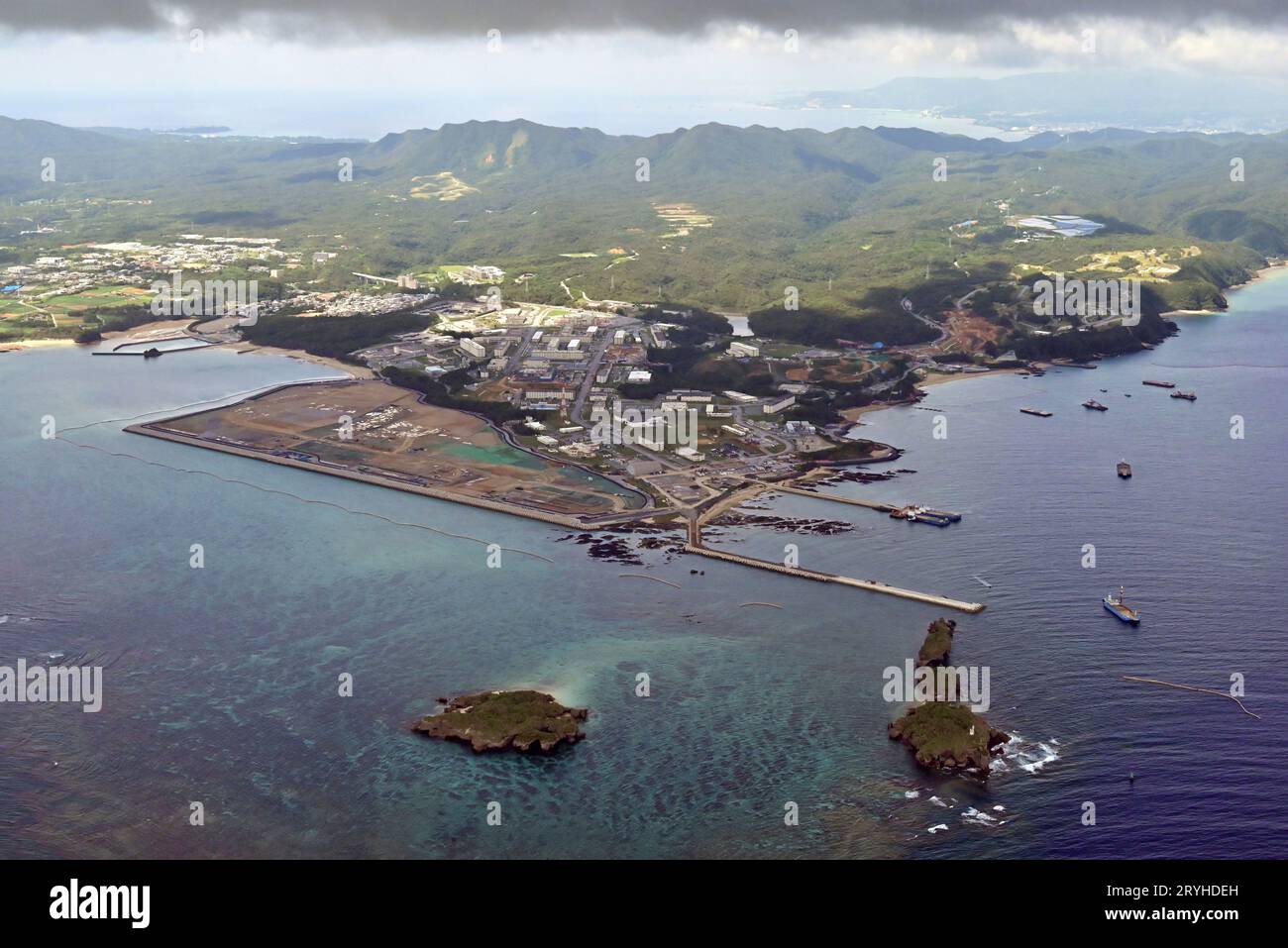
Authorities have launched investigations into the cause of the capsizing, focusing on potential negligence and violations of maritime law. The Coast Guard is investigating for possible offenses including professional negligence resulting in injury and death, endangering traffic at sea through negligence, and violations of the Maritime Transport Law. The Transportation Safety Committee is also conducting a separate investigation to determine the contributing factors to the accident and prevent similar incidents in the future. The incident prompted a visit to the site by Deputy Minister of Land, Infrastructure, Transport and Tourism, Satoshi Sasaki, on April 24, 2026, where he laid flowers and observed a moment of silence in remembrance of those who lost their lives.
4月24日(金)、佐々木副大臣は、令和8年3月16日に発生した沖縄県名護市辺野古沖転覆事故の現場を視察し、亡くなられた方々の追悼のため、献花・黙祷を行いました。
— 国土交通省 (@MLIT_JAPAN) April 24, 2026
Concerns Over Impartiality of “Peace Learning” Program
The appointment of an individual linked to the anti-base protests as an advisor to the “peace learning” program has ignited a debate about the program’s neutrality. Critics argue that the advisor’s pre-existing views could influence the curriculum and potentially present a biased perspective to students. The Sankei Shimbun report highlights the concern that the program may be used as a platform to promote opposition to the base relocation rather than fostering a balanced understanding of the complex issues involved. The appointment raises questions about the selection process and whether sufficient consideration was given to ensuring the advisor’s impartiality.
Naomi Nakayama, the mayor of Naha City, has emphasized the importance of separating discussions about peace education from political considerations, particularly in light of the Henoko Bay incident. According to the Ryukyu Shimpo Digital, Nakayama stated that the focus should be on promoting peace education without being influenced by political agendas. This sentiment reflects a broader concern within the community about the potential for the program to be politicized.
The Broader Context: U.S. Base Relocation and Local Opposition
The planned relocation of the U.S. Marine Corps air station from Futenma to Henoko Bay has been a source of contention for decades. The U.S. And Japanese governments agreed to the relocation in the 1990s as part of a broader effort to reduce the U.S. Military presence on Okinawa. However, the plan has faced strong opposition from local residents and activists who argue that the construction of a new base will damage the marine environment, disrupt local communities, and perpetuate the heavy U.S. Military presence on the island. Protests, including those involving the capsized boats, have been a regular occurrence in Henoko Bay for years.

The incident in March 2026 has intensified the debate surrounding the base relocation. Some critics have accused the protest organizers of recklessness and endangering the lives of the students. A report by the Daily Shincho details an encounter with a representative of the anti-base organization who declined to apologize for the incident, sparking further outrage. The incident has also prompted calls for stricter regulations and safety measures for maritime protests.
Future Developments and Ongoing Scrutiny
The investigations into the Henoko Bay boat accident are ongoing, and further details are expected to emerge as authorities gather evidence and interview witnesses. The Okinawa prefectural government is facing increasing pressure to provide a transparent explanation of the “peace learning” advisor appointment and to address concerns about the program’s impartiality. The controversy is likely to continue to fuel the debate over the U.S. Base relocation and the future of Okinawa’s relationship with the United States.
The next key development will likely be the release of preliminary findings from the Coast Guard and Transportation Safety Committee investigations into the boat capsizing. These findings could shed light on the causes of the accident and potentially lead to criminal charges or regulatory changes. The prefectural government is also expected to face further questioning from local lawmakers and community groups regarding the “peace learning” program and the selection of its advisors.
The situation remains fluid, and ongoing scrutiny from both local and international observers is anticipated. We encourage readers to share their thoughts and perspectives on this important issue in the comments below.
Keep reading