
Putin and Trump Exchange Views on Iran and Ukraine Amidst Tensions
Moscow and Washington have engaged in a series of communications regarding escalating global tensions, particularly concerning the conflict in Iran and the ongoing war in Ukraine. Recent discussions between Russian President Vladimir Putin and former U.S. President Donald Trump reveal differing perspectives on de-escalation strategies, with both leaders emphasizing the potential for broader regional instability. The conversations, occurring against a backdrop of heightened geopolitical uncertainty, underscore the complex dynamics at play as international efforts to address these crises continue. The exchange highlights a delicate diplomatic dance, where both nations seek to protect their interests while navigating a volatile international landscape.
The discussions reportedly touched upon a range of issues, including the potential for a renewed Iranian nuclear program, the ongoing conflict in Ukraine, and a recent shooting incident at the White House. While details remain limited, the exchange signals a willingness from both sides to maintain open lines of communication, even amidst significant disagreements. This communication is particularly noteworthy given the strained relationship between the two countries, marked by sanctions, accusations of interference, and diverging foreign policy objectives. The fact that these conversations are taking place at all suggests a recognition of the need to avoid further escalation and explore potential avenues for resolution, however slim they may be.
Putin Proposes Iranian Nuclear Mediation, Links it to Ukraine
According to reports, President Putin proposed to Trump a potential role for Russia in mediating a resolution to the tensions surrounding Iran’s nuclear program. However, Putin reportedly conditioned this offer on progress towards a ceasefire in Ukraine. This linkage suggests a strategic calculation by Moscow, potentially seeking to leverage its influence in the Middle East to gain concessions regarding the situation in Eastern Europe. The proposal reflects Russia’s long-standing interest in maintaining stability in the Middle East, a region where it has cultivated close ties with Iran. It too underscores Moscow’s frustration with the lack of progress in resolving the conflict in Ukraine, where it has faced significant international pressure and sanctions.
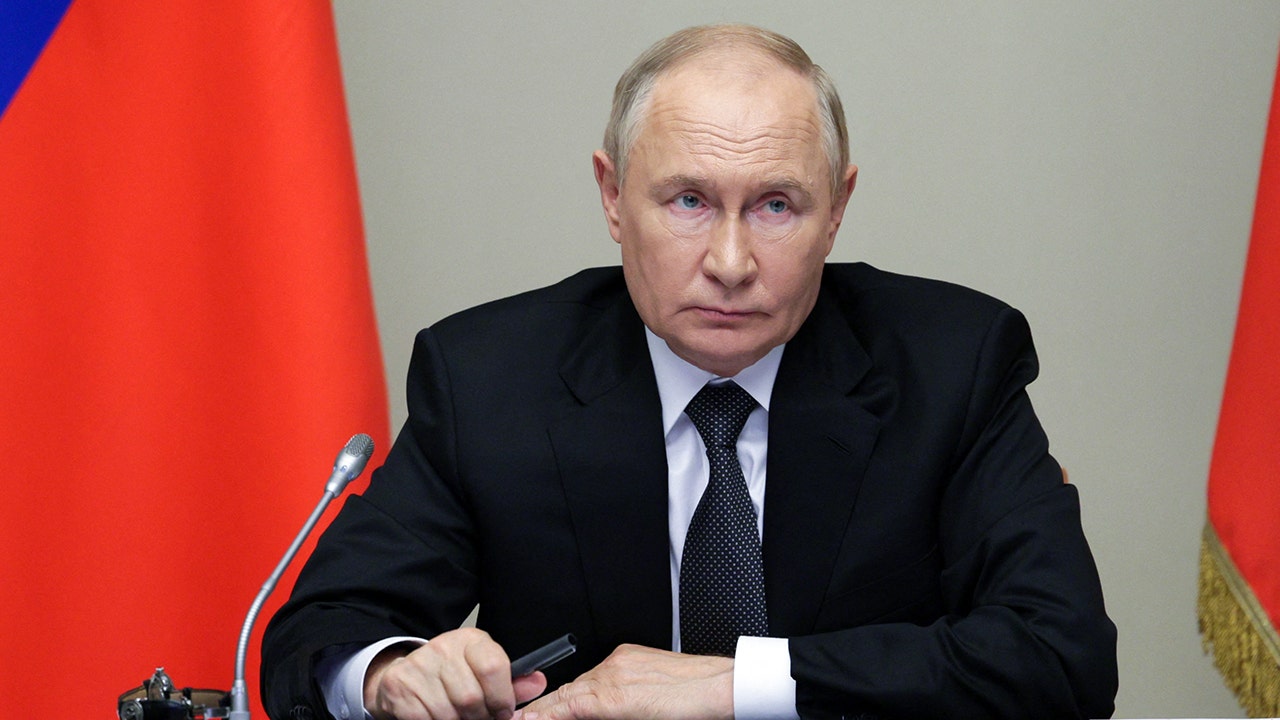
The Kremlin’s offer to mediate in the Iranian nuclear issue comes as concerns grow over Tehran’s nuclear ambitions. The Joint Comprehensive Plan of Action (JCPOA), a landmark agreement aimed at curbing Iran’s nuclear program in exchange for sanctions relief, has been in jeopardy since the United States unilaterally withdrew from the deal in 2018 under the Trump administration. Since then, Iran has gradually rolled back its commitments under the JCPOA, raising fears that it could be moving closer to developing nuclear weapons. Putin’s proposal suggests a willingness to re-engage in diplomatic efforts to salvage the agreement, but only on terms favorable to Russia. Reuters provides background on the JCPOA.
Trump’s Response: “You First”
Former President Trump reportedly responded to Putin’s offer with a counter-proposal, urging Russia to prioritize resolving the conflict in Ukraine before any discussion of Iran could proceed. This response, as reported by multiple sources, indicates a firm stance from Trump, suggesting he believes Russia bears primary responsibility for de-escalating the situation in Ukraine. The “you first” approach reflects Trump’s transactional approach to foreign policy, where he often sought reciprocal concessions from other countries before offering any assistance or cooperation. It also suggests a continued skepticism towards Russia’s intentions, despite the ongoing communication between the two leaders.
Trump’s insistence that Russia address the Ukraine situation first aligns with the broader international consensus that Moscow is the aggressor in the conflict. The war in Ukraine, which began in February 2022, has resulted in widespread destruction, displacement, and loss of life. Western countries have imposed a series of sanctions on Russia in response to its actions, and have provided significant military and financial aid to Ukraine. Trump’s position suggests he remains supportive of Ukraine’s sovereignty and territorial integrity, and that he believes Russia must be held accountable for its actions.
White House Shooting and Broader Regional Concerns
The conversation between Putin and Trump also reportedly touched upon a recent shooting incident at the White House. While details surrounding the incident remain limited, it served as a backdrop to the broader discussion of global security concerns. The incident underscores the vulnerability of even the most powerful nations to acts of violence and the need for heightened security measures. It also highlights the potential for domestic instability to impact international relations, as leaders grapple with both internal and external challenges.

Beyond the specific issues of Iran and Ukraine, the exchange between Putin and Trump reflects a growing sense of unease about the broader regional security landscape. The Middle East remains a volatile region, with ongoing conflicts in Syria, Yemen, and other countries. The rise of extremist groups, such as ISIS, continues to pose a threat to regional stability. And the increasing involvement of external powers, such as Russia, China, and the United States, further complicates the situation. The conversations between Putin and Trump suggest a recognition of these challenges and a willingness to explore potential avenues for cooperation, even amidst significant disagreements.
Implications for Global Diplomacy
The direct communication between Putin and Trump, despite their differing political ideologies and strained relationship, is significant in itself. It demonstrates a willingness to maintain dialogue even during times of heightened tension. This communication channel, however informal, could prove crucial in preventing miscalculations and avoiding further escalation of conflicts. The fact that both leaders are engaging in direct conversations suggests a recognition that traditional diplomatic channels may be insufficient to address the complex challenges facing the world today.
However, the differing perspectives on how to address these challenges – Putin linking Iran mediation to Ukraine, and Trump demanding Russia address Ukraine first – highlight the deep divisions that remain between Moscow and Washington. These divisions are likely to continue to shape the international landscape for the foreseeable future. The outcome of these discussions, and the broader implications for global diplomacy, remain uncertain. The situation requires careful monitoring and a continued commitment to dialogue and de-escalation from all parties involved. The potential for miscalculation remains high, and the consequences of a misstep could be severe.
The next key development to watch will be any official statements from either the Kremlin or representatives of the former U.S. President regarding the specifics of their discussions. Further insights into the proposals exchanged and the potential for future engagement will be crucial in assessing the impact of these conversations on the ongoing geopolitical landscape. Readers are encouraged to share their perspectives and engage in constructive dialogue in the comments section below.
Keep reading
- UKHSA Estimates 2,877 Heat-Associated Deaths in England Following Record May and June Heatwaves
- Orenburg Willing to Facilitate Jordhy Thompson’s Exit, Reports Russia
- Russian Strikes Kill 13 in Ukraine, Missile Hits Poland (newsdirectory3.com)
- The Senate Blue Slip, Explained: The Custom Trump Wants Gone (daybreakwire.com)