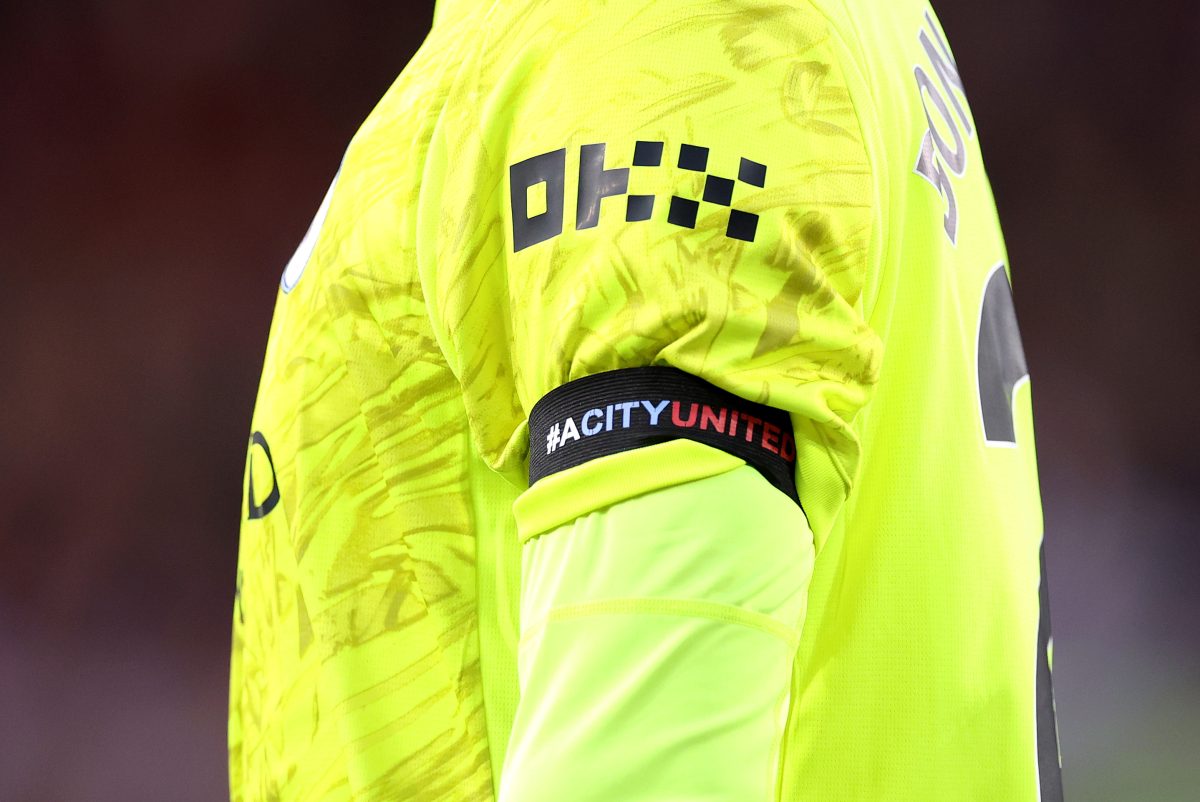
Crypto firms are emerging as potential replacements for betting brands as Premier League shirt sponsors ahead of the 2026-27 season. According to market intelligence platform Caytoo, more than half of the league’s 20 clubs will need recent main sponsors when the voluntary ban on gambling brands takes effect next year.
The Premier League’s agreement to phase out betting companies from front-of-shirt positions was announced three years ago amid growing concerns about gambling-related harm. This voluntary measure aims to address public health concerns while allowing clubs time to secure alternative sponsorship deals.
Alex Burmaster, Caytoo’s head of research and insights, stated that the ban will likely result in “a more varied portfolio of sponsors and one with a more familiar feel” for fans. He noted that early indications show clubs like Bournemouth and Brentford are initially looking to existing partners in training kit, stadium, or sleeve sponsorships to fill the void left by departing betting brands.
Brentford recently confirmed they will replace Hollywoodbets with recruitment firm Indeed as their shirt sponsor, following Bournemouth’s announcement that Vitality will succeed betting brand bj88. Both Indeed and Vitality were already existing partners with the clubs—Indeed as Brentford’s training kit sponsor and Vitality as Bournemouth’s stadium partner—demonstrating the trend of clubs promoting current partners to main shirt sponsor roles.
Crypto companies are described by Burmaster as “an obvious contender” for the vacant premium sponsorship positions. He noted that despite being frequently forecast as the “next gambling” sector in sports sponsorship, no crypto brand has yet secured a front-of-shirt deal with any Premier League club, which he finds surprising given their market position.
According to Caytoo’s research, cryptocurrency firms already rank among the top five sponsors across all Premier League clubs when considering various sponsorship categories. Burmaster highlighted that these companies often possess substantial financial resources, frequently operate from offshore tax havens, and maintain strong marketing focus on Asian audiences—factors that could develop them attractive partners for globally oriented football clubs.
Recent activity suggests renewed interest from crypto firms in sports sponsorships. Bing X, a cryptocurrency exchange, renewed its training kit sponsorship deal with Chelsea Football Club. Nexo, described as a crypto firm with links to former U.S. President Donald Trump, partnered with the Argentinian Football Association around the time of the FIFA World Cup, indicating broader ambitions in football sponsorship beyond individual club deals.
The shift toward consumer-facing brands replacing business-to-business firms in sports sponsorship reflects broader market trends. Caytoo’s latest annual study found that the six fastest-growing sectors in Premier League front-of-shirt sponsorship over the past five years all target consumers rather than businesses. These sectors include gambling companies (despite the impending ban), hotels and cruise lines, clothing and footwear brands, and home and garden products.
Conversely, three of the four sectors showing the biggest decline in sponsorship are business-facing: energy companies, specialist business services, and logistics firms. Burmaster attributed this shift to several factors, including more sophisticated sponsorship activation methods through digital channels that allow better return on investment measurement, the growing “entertainment-ification of sports” exemplified by innovations like cricket’s The Hundred tournament, and the increasing internationalization of football fanbases that consumer brands may be better positioned to engage than traditional B2B companies.
Despite the impending changes, betting companies remain dominant in Premier League shirt sponsorship, accounting for 15.5% of current front-of-shirt deals. Construction firms follow as the second most prevalent sector at 5%. The voluntary ban’s implementation next year will require 11 of the 20 Premier League clubs to find new main sponsors, creating significant opportunity for alternative industries to enter this high-visibility marketing space.
As clubs navigate this transition, the sponsorship landscape continues to evolve. The Premier League has not announced any specific timeline for clubs to confirm their 2026-27 shirt sponsors, though deals are typically finalized months before the season begins. Clubs seeking guidance on sponsorship regulations can consult the Premier League’s official handbook, which outlines commercial partnership rules and is updated annually before each campaign.
Worth a look