The Looming Threat to Software Supply Chains: Why Your Code Dependencies Are a Major Risk
The recent compromise of popular software packages via malicious uploads is a stark wake-up call. It highlights a critical vulnerability in how we build and deploy software today – our reliance on a complex web of open-source dependencies, often maintained by a surprisingly small and overburdened group of individuals. This isn’t just a technical issue; it’s a systemic risk impacting every business and organization leveraging modern software.
This article will break down what happened, why it matters to you, and what steps are being taken – and need to be taken – to secure the software supply chain.
What Happened? A Supply Chain Attack unveiled
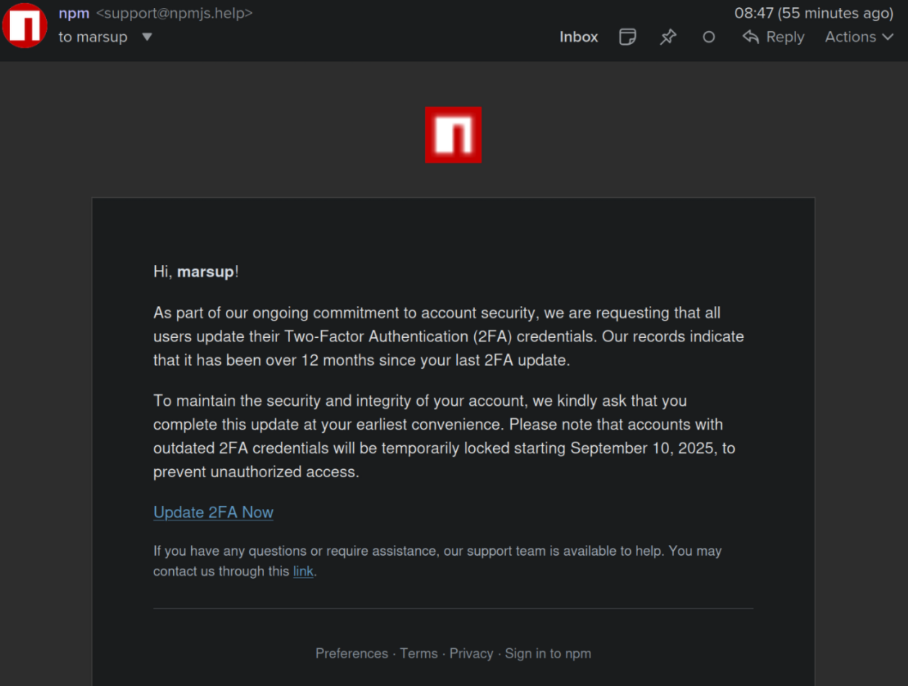
Recently,several widely-used software packages were maliciously altered and re-uploaded to package repositories. Unlike typical account takeovers, attackers didn’t directly compromise the developers’ accounts. instead, they bypassed standard security measures by uploading modified versions of the code from unexpected sources.As Eriksen, a security expert, pointed out, this is particularly concerning. It demonstrates a flaw in the current system: a lack of robust verification that packages originate from their expected, trusted source.This means a malicious actor can inject harmful code into your projects without directly breaching a developer’s credentials.
Why Should You Care? The Ripple Effect of Compromised Code
This isn’t a problem confined to large tech companies. It impacts everyone who uses software. Here’s why:
Widespread Impact: modern applications are built using a vast network of interconnected libraries. A compromise in one of these libraries can quickly propagate through countless applications.
Developer Burnout: When a project is compromised, developers often face a daunting cleanup and recovery process. Many understandably choose to abandon the project altogether, leaving users without critical tools.
Business disruption: Compromised software can lead to data breaches, system outages, and significant financial losses.
AI Amplifies the Risk: The rise of AI-assisted coding tools is accelerating the inclusion of dependencies. As Kevin Beaumont of doublepulsar.com aptly put it, we’re increasingly relying on code built from hundreds of libraries maintained by a handful of people. This dramatically expands the attack surface. He paints a chilling picture: “If you want to own the world’s companies, just phish one guy in Skegness.”
The Core Problem: Over-Reliance and Under-Resourced Maintainers
Beaumont’s observation is crucial. For years, businesses have built applications by pulling in numerous libraries, frequently enough maintained by a small, dedicated (and often under-compensated) group of developers. This creates a single point of failure.
the situation is exacerbated by the rapid adoption of AI coding tools. These tools automatically add dependencies, further increasing the complexity and potential vulnerabilities within your software stack.
What’s Being Done? Emerging Solutions and Critical Improvements
Fortunately, the security community is responding.
Aikido’s Approach: Companies like Aikido are developing tools to scan code libraries for malware before they’re used in your projects. This proactive approach is a significant step forward.
Strengthening Authentication: The most critical improvement lies in bolstering authentication methods for package repositories like NPM. Nicholas Weaver of the International Computer Science Institute argues that NPM must enforce “phish-proof” two-factor authentication (2FA).
What is Phish-Proof 2FA?
Traditional 2FA methods (like codes sent via SMS or email) are vulnerable to phishing attacks. Phish-proof 2FA utilizes:
Physical Security Keys: These are hardware devices (like YubiKeys) that require physical possession to authenticate. Even if an attacker steals your username and password, they can’t log in without the key.
Other Strong Authentication Methods: Biometric authentication tied to specific devices can also offer robust protection.Weaver doesn’t mince words: failing to implement phish-proof 2FA is “negligence” given the critical role package repositories play in modern software infrastructure.
Protecting Your Organization: Actionable Steps You Can Take Now
Don’t wait for the next supply chain attack to impact your business.Here’s what you can do today:
- Software Composition Analysis (SCA): implement SCA tools to identify all the open-source components in your applications. This provides visibility into your dependencies and potential
Keep reading