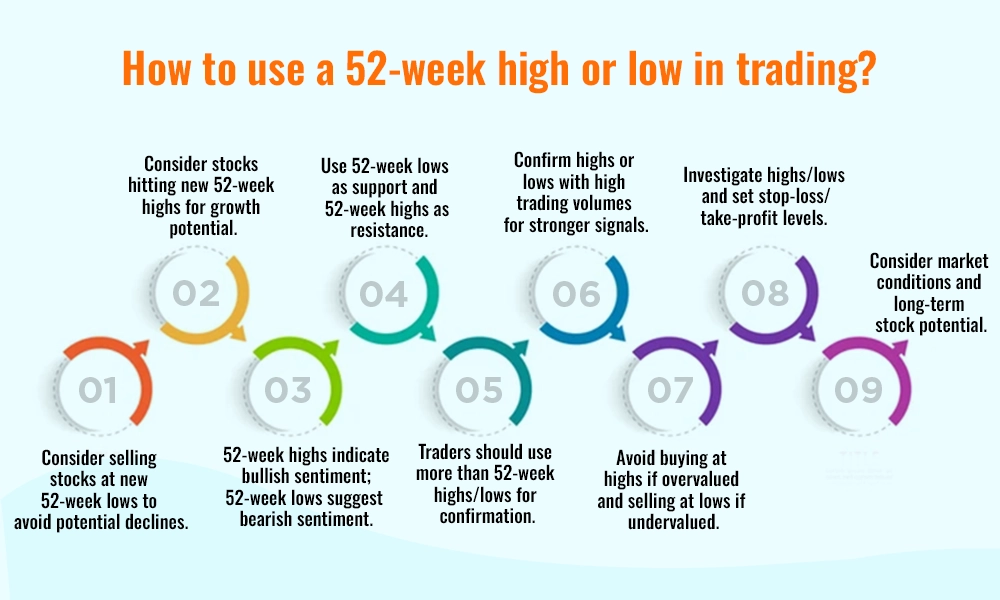
Investors holding Hedera (HBAR) have faced significant volatility over the past year, as the cryptocurrency’s market performance fluctuated between a 52-week low of approximately $0.03 and a peak exceeding $0.15 during the spring 2024 rally. Calculating the exact impact of an investment requires accounting for these sharp price swings, which remain influenced by broader macroeconomic trends and specific developments within the Hedera network, according to market data tracked by CoinMarketCap.
For a digital asset investor, understanding the difference between a 52-week high and a 52-week low is essential for assessing portfolio performance. Hedera, a distributed ledger technology (DLT) platform known for its hashgraph consensus mechanism, has seen its native token, HBAR, mirror the cyclical nature of the wider altcoin market. While some analysts point to increased enterprise adoption of the Hedera network as a long-term value driver, current price action remains tethered to liquidity levels and investor sentiment across major exchanges, as reported by Bloomberg.
Market Volatility and Price Performance
The price of HBAR has experienced notable variance over the last 12 months. Identifying the specific 52-week range provides a baseline for evaluating whether a hypothetical investment from one year ago would be in a position of profit or loss. Market participants often use these technical indicators—the 52-week high and low—to determine entry and exit points, though such metrics do not account for the fundamental utility of the Hedera Governing Council or the network’s transaction throughput, as noted by official Hedera network updates.
In the past year, HBAR’s valuation was impacted by several factors, including the general recovery of the crypto market following the approval of spot Bitcoin ETFs in early 2024. However, HBAR’s performance specifically is also tied to its unique governance structure. Unlike traditional blockchain projects, Hedera relies on a council of globally recognized enterprises, a model that proponents argue provides stability, even if the token price remains subject to the speculative nature of global digital asset trading, according to data from Reuters.
Evaluating Investment Outcomes
To determine the loss or gain of an investment made exactly one year ago, an investor must compare the entry price at that historical date against the current market value. For instance, if an investor purchased HBAR at a higher valuation during a period of market enthusiasm, the subsequent cooling of prices would result in an unrealized loss. Conversely, those who entered during periods of lower market activity might see a different result.
The calculation is straightforward: the percentage change is derived by subtracting the initial investment price from the current price, dividing by the initial price, and multiplying by 100. Because HBAR is a highly liquid asset traded on platforms like Binance and Coinbase, price discrepancies between exchanges are usually minimal, though they can exist due to arbitrage activity and varying fee structures. Investors are encouraged to consult their specific exchange records to calculate the exact cost basis of their holdings, as documented by the U.S. Securities and Exchange Commission (SEC) investor education resources.
Factors Influencing Long-Term Value
Beyond daily price fluctuations, the long-term outlook for Hedera is often discussed in the context of its technical efficiency. The network claims to offer high-speed, low-cost transactions, which are marketed as being particularly suitable for enterprise-grade applications. Whether these technical advantages translate into sustained price appreciation for the HBAR token remains a subject of debate among financial analysts. Market watchers often look toward the frequency of new enterprise integrations and updates to the Hedera software development kit (SDK) as indicators of institutional health.

Investors should remain aware that digital asset markets are inherently speculative. Historical performance is not a reliable indicator of future results. For those seeking to stay updated on the project’s technical milestones or governance changes, the official Hedera Governing Council portal serves as the primary source for verified organizational developments. Monitoring these official channels is recommended over relying solely on social media sentiment, which can often be driven by short-term market noise.
The next major checkpoint for the ecosystem involves ongoing network upgrades and potential adjustments to the tokenomics model, which are typically announced through the official Hedera blog. Investors looking to manage risk should prioritize diversification and conduct thorough due diligence before making adjustments to their portfolios. Feel free to share your thoughts on the current state of the crypto market in the comments section below.
Related reading