
Qatari diplomats have arrived in Tehran to facilitate discussions regarding a potential peace framework between the United States and Iran, according to multiple international reports. The diplomatic outreach follows a period of heightened speculation regarding a shift in bilateral relations, though official confirmation of a finalized agreement remains elusive as both Washington and Tehran offer conflicting accounts of the current state of negotiations.
The arrival of the Qatari delegation marks a significant, if opaque, development in regional diplomacy. While various international observers have pointed to the potential for a breakthrough, the specific terms, timeline, and status of any proposed deal are subject to intense scrutiny and debate among global stakeholders. As of this writing, there is no official, publicly released text of a comprehensive peace treaty between the two nations.
The Diplomatic Role of Qatar
Qatar has long served as a primary interlocutor between the United States and Iran, frequently leveraging its position to relay messages when formal diplomatic ties are severed. The current mission in Tehran appears to be an attempt to bridge the gap between U.S. expectations and Iranian requirements for a de-escalation of tensions.

The U.S. Department of State maintains a policy of pressure and containment toward Iran, emphasizing that any engagement must address concerns regarding regional stability, ballistic missile development, and nuclear proliferation. Conversely, the Iranian government has consistently demanded the removal of economic sanctions as a prerequisite for any meaningful long-term cooperation. The Qatari mediation efforts are focused on whether a middle ground can be reached to stabilize the Strait of Hormuz, a critical maritime chokepoint through which a significant portion of the world’s oil supply passes, as reported by Reuters.
Conflicting Narratives on Timeline and Terms
Discrepancies in reporting have created a complex information environment. Reports suggesting that a formal agreement could be finalized as early as Sunday have been met with skepticism or outright denial from Iranian officials. The Iranian Ministry of Foreign Affairs has characterized some of the circulating claims as premature or inaccurate, according to updates from regional news wires.
This gap in messaging highlights the volatility of the situation. While some international outlets have cited anonymous sources detailing potential concessions—such as the status of maritime transit in the Persian Gulf—these details have not been verified by the White House or the Iranian presidency. The lack of a unified public statement suggests that if negotiations are occurring, they remain at a delicate, preliminary stage where both sides are managing domestic and international perceptions.
Geopolitical Implications of a Potential Deal
The core of the dispute involves more than just bilateral relations; it impacts the broader security architecture of the Middle East. If a deal were to be reached, it would likely necessitate a recalibration of security guarantees for Gulf Cooperation Council (GCC) member states and other regional actors who have expressed concern over Iran’s regional influence.
The United Nations Security Council has historically played a role in monitoring Iran’s nuclear activities, and any shift in the U.S.-Iran dynamic would inevitably require coordination with international regulatory bodies. Observers are particularly focused on whether any new framework would mirror the structure of the 2015 Joint Comprehensive Plan of Action (JCPOA) or if it represents an entirely new approach to managing the U.S.-Iran rivalry.
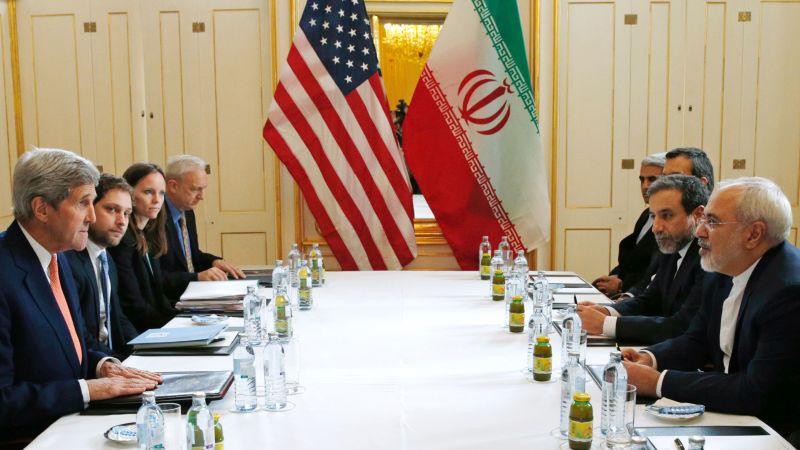
As the situation develops, the primary indicators of progress will be official statements from the U.S. Department of State and the Iranian Foreign Ministry. Future briefings are expected to clarify whether the ongoing Qatari mediation will lead to a formal meeting of high-level representatives or if the current discussions remain purely administrative in nature.
Readers seeking verified updates should monitor official government press portals for confirmed policy shifts. We will continue to track these developments as more information becomes available from verified diplomatic channels.
Worth a look