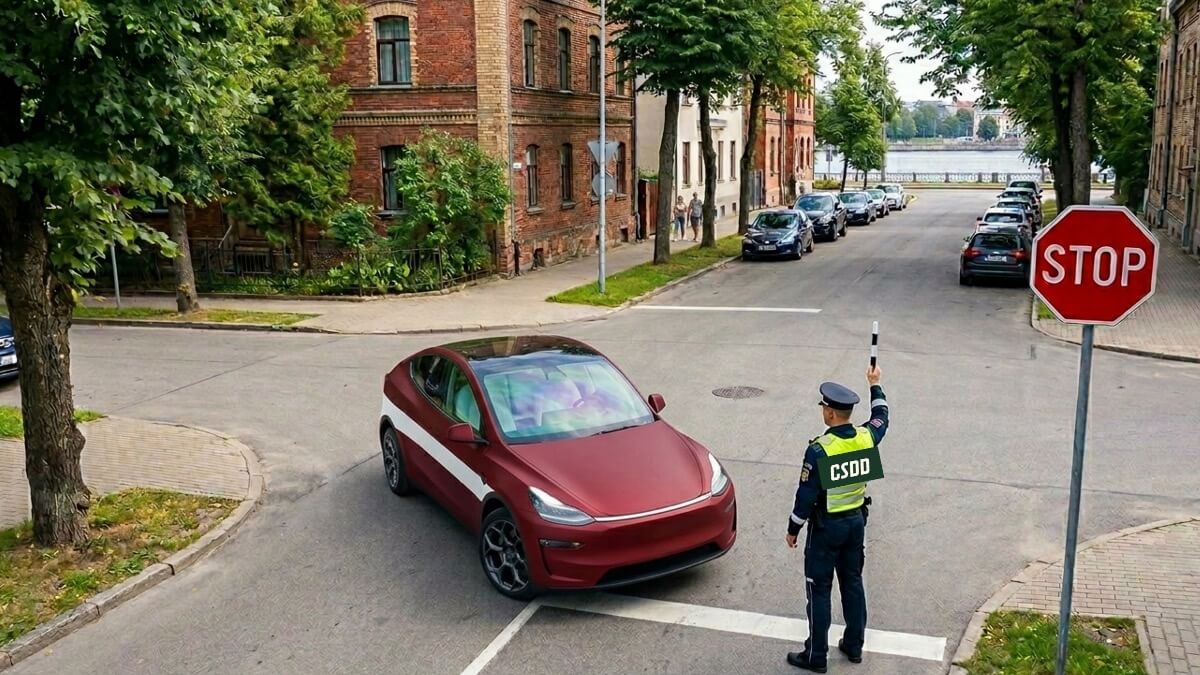
The global race toward autonomous driving technology is hitting regulatory speed bumps as national transport authorities grapple with the complexities of advanced driver-assistance systems. In Latvia, the Road Traffic Safety Directorate (CSDD) has adopted a cautious stance regarding the introduction of Tesla’s Full Self-Driving (FSD) capabilities, citing specific technical deficiencies identified during recent evaluations. This development highlights the ongoing tension between rapid software innovation and the stringent safety standards required for public road certification in the European Union.
For motorists and industry stakeholders, the decision by Latvian regulators underscores a broader, continent-wide trend: while manufacturers are pushing to expand the availability of high-level automation, national bodies remain the final arbiters of safety. As the automotive sector shifts toward software-defined vehicles, the ability to meet regional compliance requirements—which vary significantly from those in North America—has become a primary hurdle for tech-integrated automakers.
Regulatory Hurdles for Autonomous Systems
The core of the current discussion involves how national regulators, such as the CSDD, assess the readiness of automated systems for real-world traffic. In the European Union, vehicle safety and autonomous functionality are governed by a robust framework that prioritizes human oversight and predictable system behavior. Any system seeking to operate with higher levels of autonomy must undergo rigorous testing to ensure it can handle the diverse infrastructure, signage, and unpredictable traffic patterns characteristic of European urban and rural environments.

The CSDD, which serves as the primary authority for vehicle registration and driver licensing in Latvia, is responsible for ensuring that any technology deployed on local roads meets these established safety protocols. When irregularities or performance gaps are identified during testing, regulators are mandated to restrict deployment until those specific safety criteria are satisfied. This process is designed to protect all road users and ensure that the integration of artificial intelligence into transport does not compromise existing safety standards.
While industry analysts have noted that some neighboring Baltic and European nations are beginning to establish pathways for testing autonomous features, the specific requirements for full, unrestricted deployment remain high. The European Union’s approach to vehicle type-approval is centralized, yet national agencies retain critical oversight roles in monitoring how these technologies perform within their specific jurisdictions.
The Path Forward for Automated Driving
The challenges faced by Tesla in Latvia are not unique in the context of the global automotive industry. As manufacturers transition from traditional mechanical engineering to complex, data-driven software ecosystems, the collaboration between private technology firms and public regulatory agencies has become increasingly essential. For consumers, So that the availability of advanced features like FSD will likely continue to roll out in stages, contingent upon successful validation by local authorities.
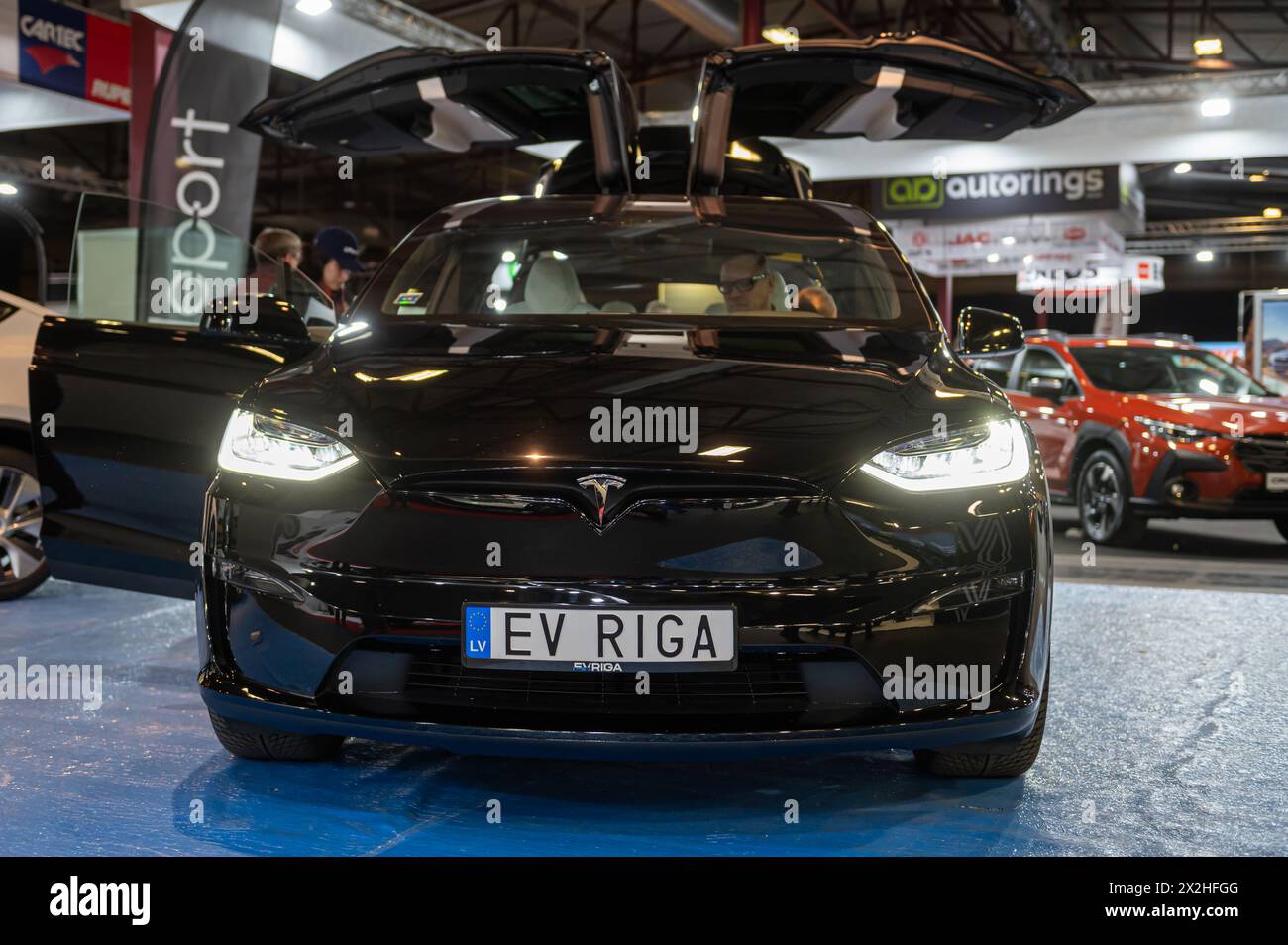
Looking ahead, the focus for both regulators and manufacturers will be on transparency and iterative improvement. The CSDD’s requirement for further testing indicates that the path to approval is a dialogue rather than a final rejection. As Tesla continues to gather data and refine its software algorithms, the ability to address the specific performance gaps identified in Latvia will be key to potential future certification.
Readers interested in the official status of vehicle equipment regulations and safety testing in Latvia can monitor updates through the official Road Traffic Safety Directorate (CSDD) portal. This site serves as the primary resource for information regarding vehicle registration, technical requirements, and the latest regulatory advisories for drivers and fleet operators.
Understanding the Broader Impact
The debate over Tesla’s FSD status in Latvia is part of a larger conversation about the future of transportation policy in the EU. As the continent moves toward higher levels of connectivity and automation, the role of national regulators will evolve from simple gatekeepers to active partners in safety validation. This transition is expected to influence how future legislation is drafted, particularly regarding liability, data privacy, and the technical standards for artificial intelligence in public spaces.
For the average consumer, the current situation serves as a reminder that the transition to autonomous transport is a long-term evolution. While the potential for improved efficiency and enhanced safety features is significant, the regulatory roadmap ensures that these technologies are not deployed until they demonstrate a consistent level of reliability that aligns with the EU’s vision for road safety.
As we move into the latter half of 2026, the industry expects further clarity on the testing criteria for autonomous systems across the Baltic region. Any changes to the current status of FSD in Latvia will be communicated through official channels by the CSDD. We encourage our readers to share their thoughts on the balance between innovation and regulation in the comments section below, and to stay tuned to the World Today Journal for further updates as this story develops.
Keep reading