Cuba Faces Humanitarian Crisis Amidst U.S. Oil Blockade
Published: 2026/02/14 21:39:46
Cuba is currently grappling with a severe humanitarian crisis fueled by a prolonged U.S. economic embargo and, more recently, restrictions on fuel supplies. The situation has led to widespread power outages, soaring costs for essential goods, and disruptions to vital services like transportation and healthcare. International organizations and foreign governments are expressing growing concern, with Mexico providing crucial humanitarian aid in response.
The Roots of the crisis: A Longstanding Embargo
The U.S. first imposed an economic embargo on Cuba in 1962, following the Cuban Revolution. Over the decades, this embargo has been tightened and loosened at various times, but its core aim – to pressure political change in Cuba – has remained consistent. Britannica details the historical context of this embargo and its impact on the cuban economy.
Escalating Fuel Shortages and Their Impact
Recent months have seen a dramatic escalation of the crisis due to difficulties in securing sufficient fuel supplies. Cuba’s government announced in february 2026 that it was facing critical shortages, leading to the cancellation of flights by airlines like Air Canada. This shortage is largely attributed to restrictions imposed by the U.S. on the sale of oil to Cuba and the disruption of conventional supply routes.
The lack of fuel has cascading effects:
- Power Outages: Essential services, including hospitals and schools, are frequently disrupted by widespread blackouts.
- Transportation Crisis: Public transportation is severely limited, and the cost of private transport has skyrocketed, making it difficult for citizens to commute and access basic necessities.
- Food Security: The ability to transport food from farms to markets is hampered, leading to shortages and price increases.
International Response and Humanitarian Aid
The United Nations has repeatedly warned about the deteriorating humanitarian situation in Cuba. UN Secretary-General Stéphane Dujarric has expressed extreme concern, stating that the situation could worsen without access to adequate fuel supplies and has called for dialog and respect for international law.
Mexico has emerged as a key provider of assistance. Despite initially halting fuel shipments in January, mexican President Claudia Sheinbaum openly criticized the U.S. policy, calling it “very unfair” and emphasizing that sanctions should not harm the Cuban people (AP News). Mexico afterward sent two navy ships carrying humanitarian aid to havana, which were gratefully received by residents.
Political dimensions and International Condemnation
The current crisis is deeply intertwined with U.S. foreign policy towards Cuba. Critics argue that the embargo is a violation of international law and disproportionately harms the Cuban population. The policy is largely driven by those advocating for regime change in Cuba, such as Secretary of State Marco Rubio, who has a long history of opposing the Cuban government.
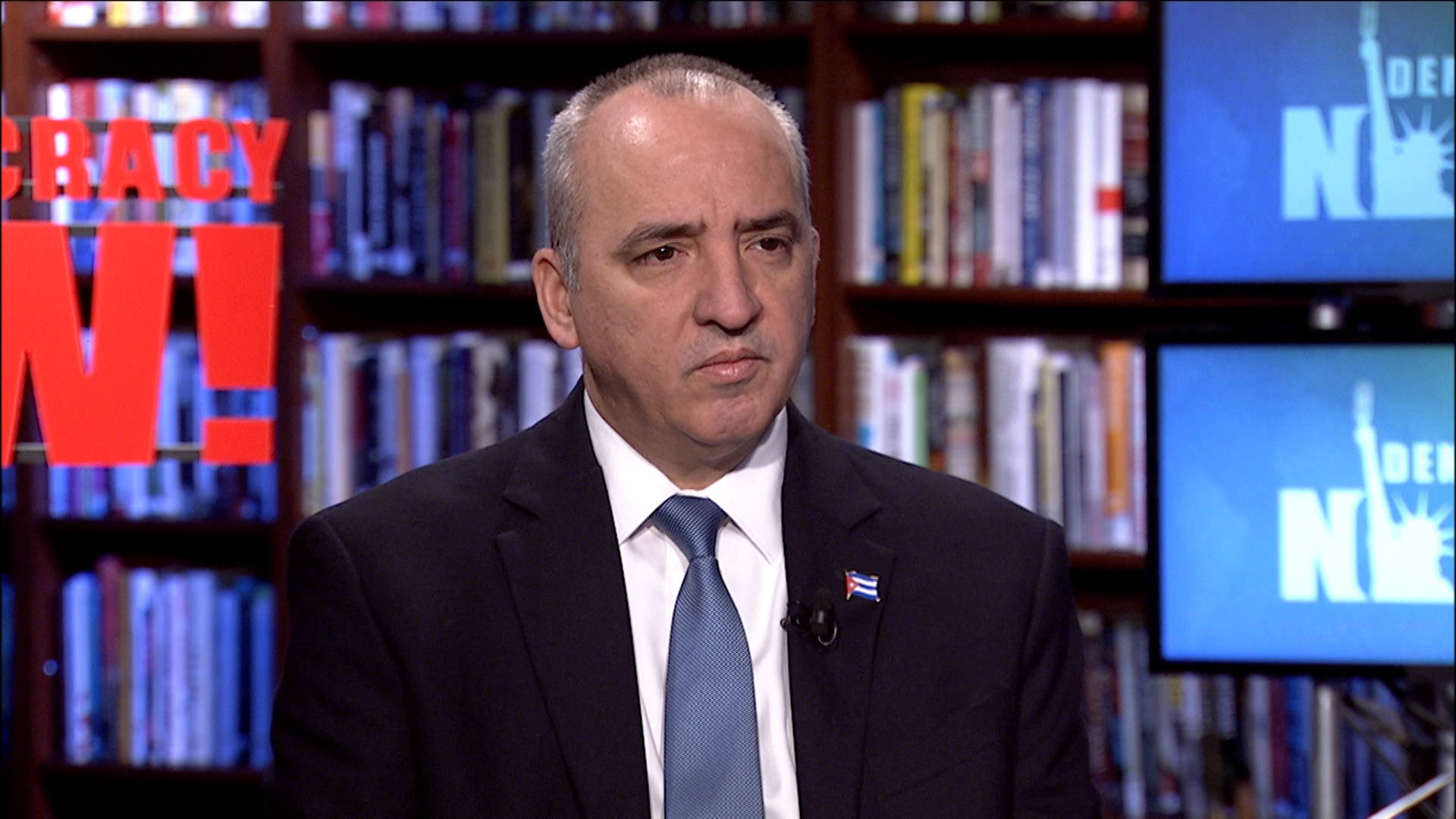
Cuba’s Ambassador to the United Nations,Ernesto Soberón Guzmán,has condemned the U.S. actions as a form of economic warfare and a violation of international law. He also highlighted restrictions placed on Cuban diplomats in the United States, limiting their movement to a 25-mile radius around Columbus Circle in New York City.
Looking Ahead
The humanitarian situation in Cuba remains precarious.While Mexico’s aid provides immediate relief,a long-term solution requires a basic shift in U.S. policy. The international community continues to call for an end to the embargo and a resumption of dialogue between the U.S.and Cuba. Without a change in course, the Cuban people face a prolonged period of hardship and uncertainty.
Keep reading