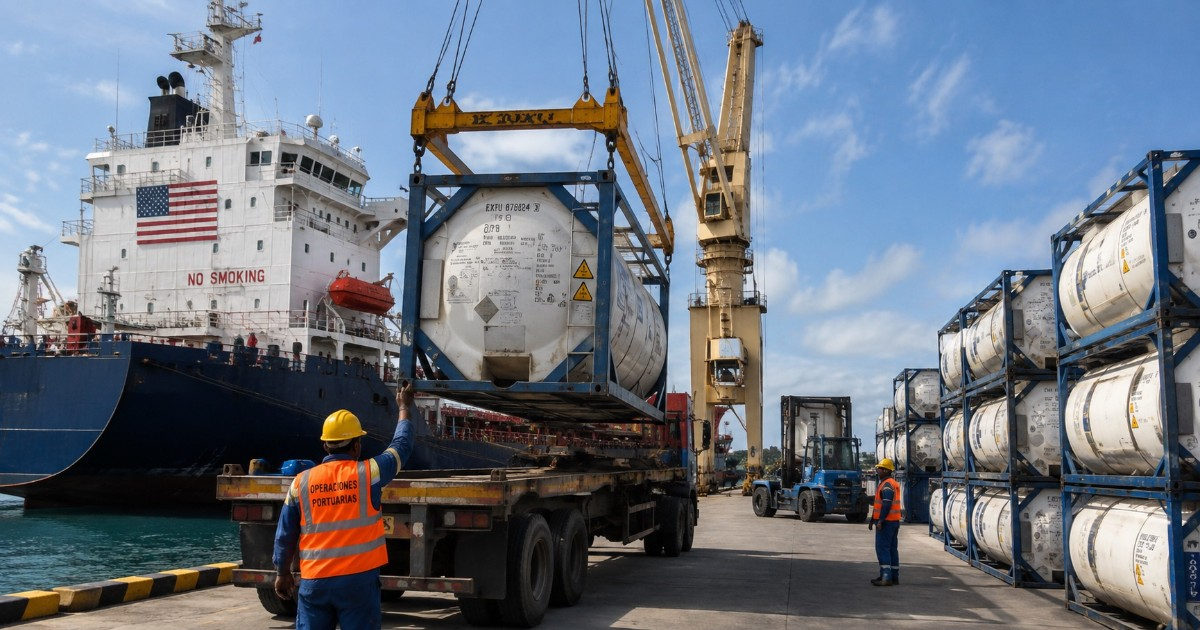
Private Cuban buyers acquired $95,744,767 in U.S. energy products during the first half of 2026, driven by a deliberate U.S. policy shift to supply independent ventures while tightening sanctions on state-run oil networks amid nationwide electrical blackouts.
The commercial surge highlights a targeted economic strategy implemented by Washington to bypass the Cuban government and supply independent operators directly.
U.S. Export Surge and Customs Despatch Data
The trade data reveals a dramatic escalation in shipments over the six-month period. During January and February, total exports reached just $2,548,110 before climbing steeply toward the middle of the year. Import spending accelerated sharply in May to $23.9 million, then more than doubled in June to reach $47.9 million, accounting for roughly half of the entire semiannual volume, according to official figures compiled from New York.
Shipments departed from four distinct U.S. customs districts: Miami and Tampa in Florida, Houston-Galveston in Texas, and New Orleans in Louisiana. While Miami led in product variety, Houston-Galveston led in financial value, registering $25,194,850 in petroleum products alone. The catalog of exported goods spans low-sulfur light fuel oil, automotive and aviation lubricants, medical-grade mineral oils, jet kerosene, liquid propane, and various hydrocarbon mixtures.
Legal Framework and the Private Sector Beneficiaries
The commercial pipeline opened following a regulatory change on February 25, 2026, when the U.S. This designation permits the export of petroleum products directly to private Cuban entities without requiring specific clearance from the Office of Foreign Assets Control. Simultaneously, authorities announced a favorable re-export policy allowing fuel of Venezuelan origin to reach independent island businesses while maintaining prohibitions against state and military buyers.
U.S. officials framed the approach as an effort to empower non-state actors. Secretary of State Marco Rubio stated that the policy was entirely designed to place the private sector and private Cubans—unaffiliated with the government and unaffiliated with the military—in a privileged position, according to reporting from the region.
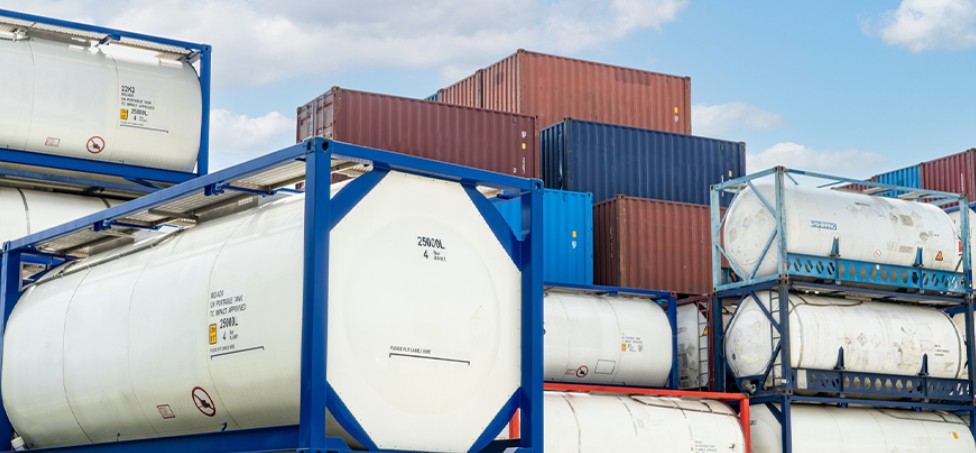
Logistically, the cargo travels in isotanques—containers with a capacity of approximately 25,000 liters—loaded onto container ships that discharge at the port of Mariel. Beneficiaries include private wholesale distributors, bakeries, and small distributors that utilize the imports.
| Product Category | Recorded Value |
|---|---|
| Diesel transactions | $41.3 million |
| Light low-sulfur fuel oil | Over $39 million |
| Petroleum and mineral oils | $25.4 million |
| Gasoline (various octanes) | $19.9 million |
Crashing State Infrastructure Amid Nationwide Blackouts
While private imports from the United States climbed, the state-operated energy sector experienced severe supply shocks. Following the January 3 capture of Nicolás Maduro, Venezuela curtailed oil shipments to Cuba, a suspension mirrored shortly afterward by Mexico. By May, Minister of Energy and Mines Vicente de la O Levy acknowledged publicly that the island was left essentially without fuel oil or diesel, relying only on associated gas.

Washington concurrently intensified financial pressures on the centralized energy apparatus, sanctioning CUPET in June and targeting CEINPET, ENERSA, and EINARBO by late July. These supply losses and sanctions crippled the National Electric System, culminating in a nationwide blackout on Tuesday—the third total grid collapse in two weeks, apnews.com.
Roberto Liana, a retail store clerk, stated that those blackouts were normal in Cuba now and that if something else happened, it would be strange.
The state Electric Union attributed Tuesday’s blackout to a sudden frequency change at a generating unit in Holguín. Emergency protocols established micro-islands to restore limited power to priority institutions such as hospitals and food processing plants, but basic public transportation remains largely paralyzed, and tens of thousands of surgical procedures have been postponed across the island.