Myanmar’s military government is navigating renewed diplomatic and economic engagements across Southeast Asia, highlighted by high-level visits to Thailand and evolving interactions with the Association of Southeast Asian Nations (ASEAN). According to reports from regional media channels including Radio Television Hong Kong and Central News Agency, Min Aung Hlaing traveled to Bangkok to meet with Anutin Charnvirakul, and participated in business forum events aimed at strengthening bilateral ties and trade cooperation.
The diplomatic outreach comes as the military government attempts to consolidate its domestic position. While regional blocs like ASEAN have maintained boundaries regarding political legitimacy—emphasizing that renewed contact does not equate to formal diplomatic acceptance or policy shifts, as noted by HK01—the active engagement in cross-border forums signals a push to break international isolation.
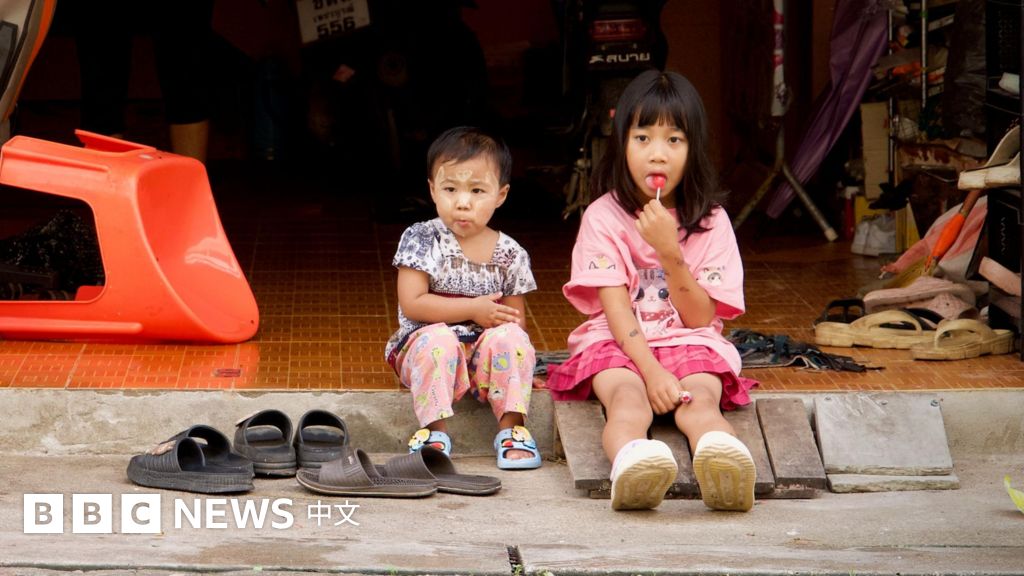
For millions inside Myanmar who pinned their hopes on the pro-democracy revolution, these diplomatic developments evoke deep anxiety. The visible re-engagement of regional neighbors with the military leadership raises questions about the longevity of the armed opposition and whether shifting international pragmatism will harden the resolve against internal challengers.
Regional Diplomatic Outreach and ASEAN’s Stance
The recent visit by Min Aung Hlaing to Thailand underscores a shift among immediate neighbors to address cross-border trade, infrastructure projects, and security cooperation. According to HK01, ASEAN’s decision to restart selective engagement channels with Naypyidaw represents a calculated management strategy rather than a softening of its official consensus against the regime.
Business forums and commercial roundtables held during these high-level visits have served as venues for the regime to project stability. Min Aung Hlaing’s discussions with business leaders focused on restoring vital supply chains and securing foreign currency inflows.
At the same time, regional organizations continue to insist on the implementation of the Five-Point Consensus. Diplomatic analysts emphasize that while capitals in the region are talking more frequently with Naypyidaw, core policy pillars remain in place.
Impact on the Domestic Revolution and Public Sentiment
Within Myanmar, the diplomatic maneuvering is closely watched by both supporters of the anti-coup movement and ordinary citizens bearing the brunt of the conflict. Public morale faces challenges as international news feeds feature foreign officials shaking hands with leaders.
Despite these diplomatic optics, local resistance groups maintain that the military’s actual control over the country’s territory remains fragile and contested. The gap between the diplomatic image abroad and the reality of economic hardship and localized warfare at home highlights the polarized nature of the ongoing crisis.
Observers note that the revolution’s trajectory is defined by the resilience of local administrative structures built by opposition groups and the endurance of communities surviving the conflict. While external pragmatism from neighbors may harden the political stance in the short term, the fundamental structural grievances that sparked the nationwide uprising remain unresolved.
Next Steps and Official Monitoring
As regional stakeholders prepare for upcoming ASEAN foreign ministerial meetings and bilateral security dialogues, attention turns to how neighboring countries will balance economic engagement with humanitarian imperatives. Official updates regarding regional policy adjustments, border security frameworks, and humanitarian aid delivery mechanisms will be published through official channels.
Have thoughts on how regional diplomacy is impacting the situation in Myanmar? Join the conversation by sharing this article or leaving a comment below.
Keep reading