Cuba Faces Escalating Economic Crisis as Fuel Shortages Deepen
Havana, Cuba – Residents of Cuba are grappling with increasingly severe fuel shortages, disrupting daily life and exacerbating existing economic hardships. The crisis, impacting everything from transportation to cooking, is prompting urgent calls for economic reform from within the government, even as officials blame U.S. Policy for hindering access to vital oil supplies. The situation is rapidly evolving, with potential implications for political stability and the future of the island nation. The current shortages are not simply a matter of inconvenience; they represent a fundamental challenge to the ability of ordinary Cubans to meet basic needs.
The shortages are a complex issue, stemming from a confluence of factors. Cuba has historically been reliant on subsidized oil from Venezuela, but shipments have dwindled significantly in recent years, particularly following U.S. Sanctions targeting the South American nation. According to reports, a recent oil blockade and the halt in Venezuelan shipments following U.S. Actions in January have significantly worsened the situation. Adding to the strain are dwindling domestic oil reserves. Cuban President Miguel Díaz-Canel has publicly acknowledged the severity of the crisis, calling for “urgent” and “immediate” transformations to the country’s economic and social model.
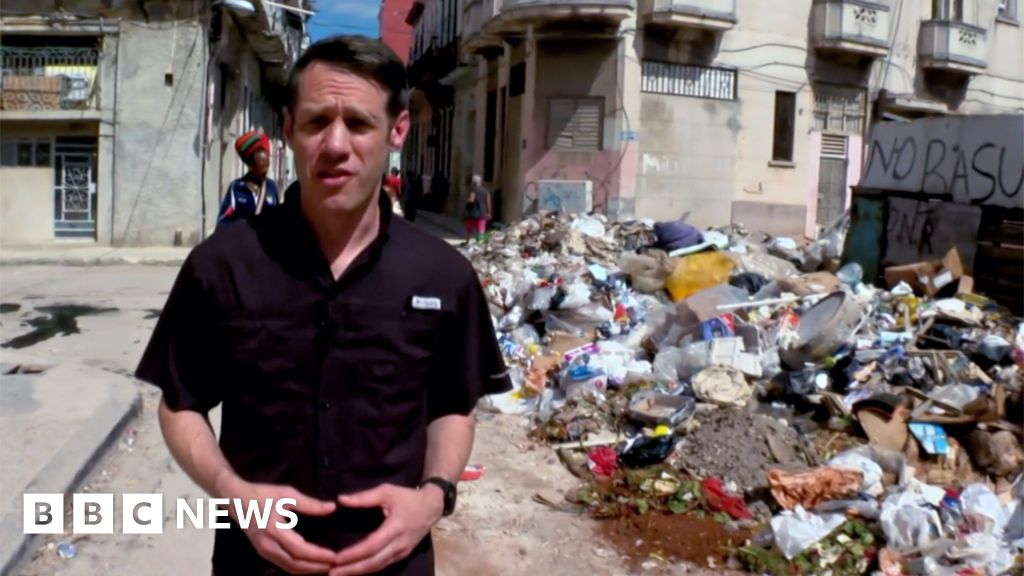
The impact on daily life is widespread. Public transportation has been curtailed, forcing many Cubans to walk long distances or rely on expensive, informal alternatives. Classes have been moved online in some areas to conserve fuel. Access to gasoline for private vehicles is severely restricted, and long queues are a common sight at gas stations, often with limited supplies. The fuel scarcity also impacts food production and distribution, as agricultural machinery and transportation networks struggle to operate efficiently. The BBC reported on the experiences of residents struggling to cope with the shortages, highlighting the growing frustration and hardship.
Government Response and Calls for Reform
President Díaz-Canel, addressing the Council of Ministers on Monday, emphasized the necessitate for swift action to address the economic challenges. He specifically called for a focus on “business and municipal autonomy and the resizing of the state apparatus, government and institutions,” as reported by the Associated Press. This suggests a potential shift towards decentralization and greater local control over economic decision-making. The President also urged municipalities to seize a more active role in attracting foreign direct investment and fostering partnerships between state and non-state sectors, as well as engaging with Cubans residing abroad.
Prime Minister Manuel Marrero Cruz has identified food production and improvements to the island’s power grid as key priorities. Cuba has been plagued by frequent power outages, further compounding the difficulties faced by residents and businesses. The Minister of Energy and Mines, Vicente de la O Levy, highlighted the slow progress in implementing a transition strategy at the municipal level, despite the distribution of solar panels to doctors, teachers, and children. He stressed the need for municipalities to develop sustainable strategies based on local resources. This push for localized solutions reflects a recognition that a centralized approach has proven insufficient to address the country’s economic woes.
The government implemented austere fuel-saving measures last month, including halting some public transportation and moving classes online, demonstrating the urgency of the situation. While the U.S. Treasury Department recently eased some restrictions on the sale of Venezuelan oil to Cuba, analysts suggest that the island’s energy and economic crisis is likely to persist without more substantial changes.
U.S. Policy and the Cuban Economy
The Cuban government attributes the current fuel shortages, at least in part, to U.S. Policy. While the U.S. Maintains a long-standing embargo against Cuba, the recent disruptions to oil supplies are linked to sanctions targeting Venezuela, a key trading partner. The U.S. Government argues that its policies are aimed at promoting democracy and human rights in Cuba, but critics contend that the embargo and related sanctions have had a devastating impact on the Cuban economy, exacerbating existing vulnerabilities.
The situation is further complicated by ongoing political tensions between the two countries. Recent reports suggest that the administration of Donald Trump is exploring potential changes in Cuban leadership as part of broader negotiations with Havana. These discussions, reportedly taking place through unofficial channels, raise questions about the future political landscape of the island. According to the Miami Herald, the U.S. Government views Díaz-Canel as a potential obstacle to the economic and political changes Washington seeks to promote. The involvement of Raúl Guillermo Rodríguez Castro, linked to the powerful GAESA military conglomerate, in these talks underscores the continued influence of the Cuban military in the country’s economy and politics.
The Role of GAESA
GAESA (Grupo de Administración Empresarial S.A.) is a military-owned conglomerate that controls a significant portion of the Cuban economy, estimated to be around 70%, including strategic assets such as ports, hotels, and gas stations. Its involvement in negotiations with the U.S. Highlights the complex power dynamics within Cuba. The organization’s control over key economic sectors gives it substantial leverage in any discussions about economic reform or political transition. The prominence of Raúl Guillermo Rodríguez Castro, a close collaborator of Raúl Castro and linked to GAESA, in recent talks suggests that any significant changes in Cuba will require the cooperation of the military establishment.
Looking Ahead: Challenges and Uncertainties
The fuel shortages represent a critical juncture for Cuba. The government’s response, including calls for economic reform and decentralization, will be crucial in determining the country’s future trajectory. However, the success of these efforts will depend on a number of factors, including the willingness of municipalities to embrace greater autonomy, the ability to attract foreign investment, and the resolution of political tensions with the United States. The easing of restrictions on Venezuelan oil sales, while a positive step, is unlikely to be sufficient to address the underlying structural problems facing the Cuban economy.
The situation remains highly fluid and unpredictable. The potential for political instability is a concern, particularly if the economic crisis continues to worsen. The ongoing negotiations between the U.S. And Cuban representatives, and the possibility of a change in leadership, add further uncertainty to the outlook. The next key development to watch will be the outcome of these negotiations and any concrete steps taken by the Cuban government to implement the economic reforms announced by President Díaz-Canel. The implementation of these reforms, and their impact on the lives of ordinary Cubans, will be a critical test of the government’s ability to navigate this challenging period.
Key Takeaways:
- Cuba is facing a severe fuel shortage impacting daily life and the economy.
- The Cuban government attributes the crisis to U.S. Sanctions and dwindling oil supplies from Venezuela.
- President Díaz-Canel is calling for urgent economic reforms, including decentralization and greater municipal autonomy.
- The U.S. Administration is reportedly exploring potential changes in Cuban leadership as part of ongoing negotiations.
- The military-owned conglomerate GAESA plays a significant role in the Cuban economy and is involved in the negotiations.
The situation in Cuba demands close attention as it unfolds. We will continue to monitor developments and provide updates as they become available. Share your thoughts and perspectives on this critical issue in the comments below.