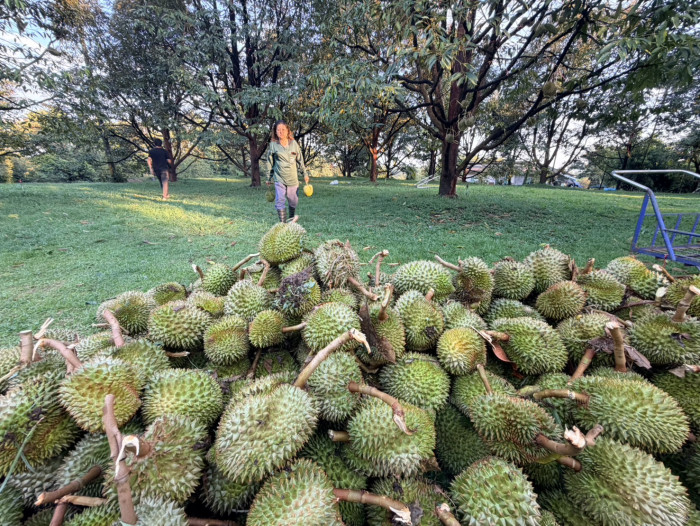
Trat Province, Thailand – A powerful summer storm swept through the Khao Saming district of Trat province on Friday, March 6, 2026, inflicting significant damage on local durian orchards. Initial assessments indicate that nearly 10,000 durian fruits were destroyed, causing losses exceeding one million baht (approximately $27,700 USD as of March 7, 2026). The storm, which struck between 2:00 PM and 3:30 PM local time, also damaged homes and infrastructure in the Moo 2 village of Thung Nonsee subdistrict.
The incident underscores the increasing vulnerability of Thailand’s agricultural sector to extreme weather events, a concern that is growing as climate patterns shift. Durian, often dubbed the “king of fruits,” is a crucial export commodity for Thailand, and the loss of such a substantial harvest so close to the picking season represents a significant economic blow to local farmers and the wider regional economy. The timing of the storm is particularly devastating, as many growers were preparing to harvest their crops before the Songkran festival, the traditional Thai New Year, which falls in mid-April.
The severity of the storm has prompted local authorities to coordinate assistance for affected farmers. Village chief Apichart Rattanawong reported that this year’s storms have been unusually strong, with three successive events causing widespread damage. Beyond the durian orchards, the storms damaged roofs, garages, and vehicles, impacting numerous households in the area. The extent of the damage is still being fully assessed, but early estimates suggest a substantial financial burden for the community.
Durian Farmers Face Devastating Losses
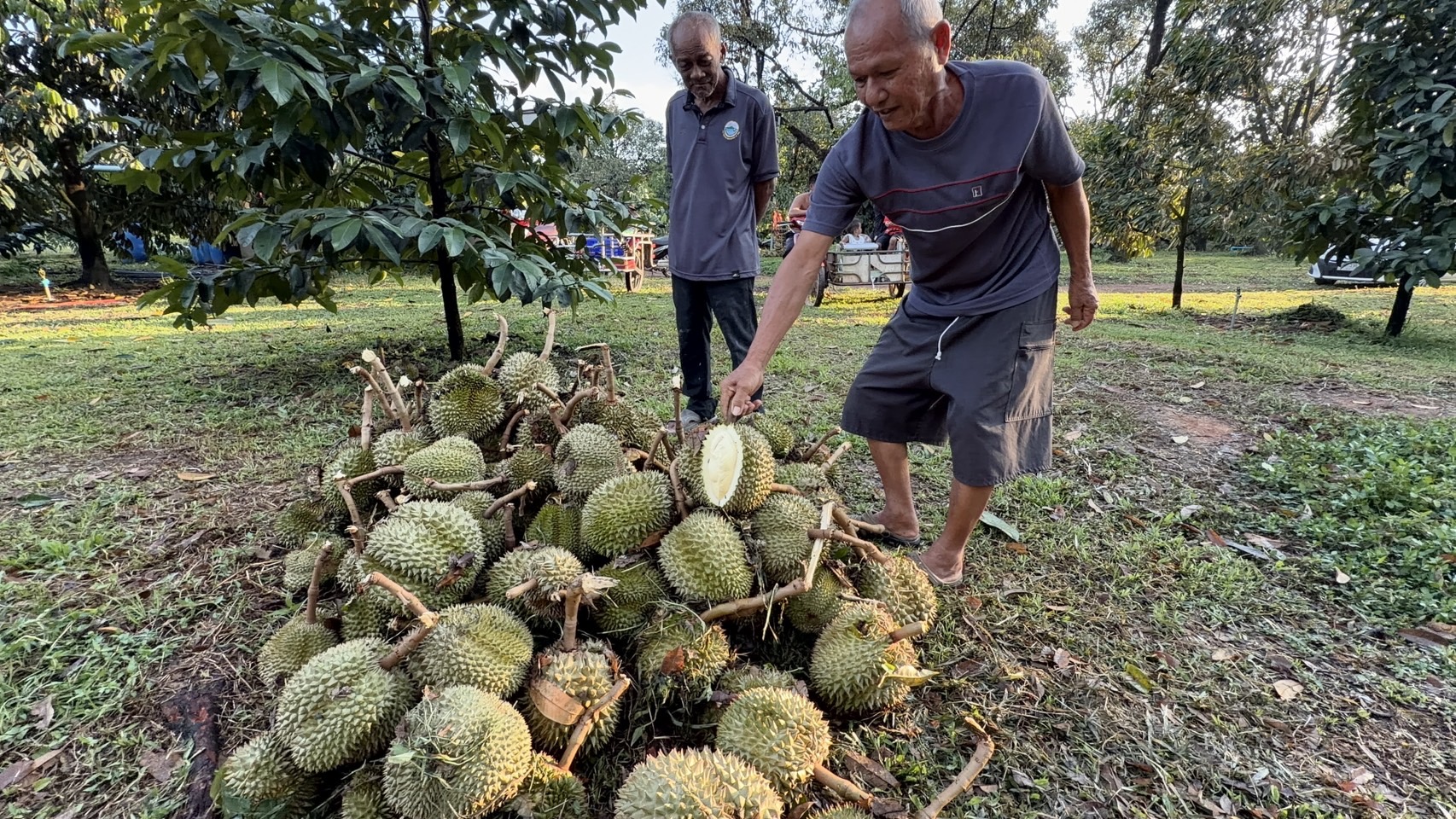
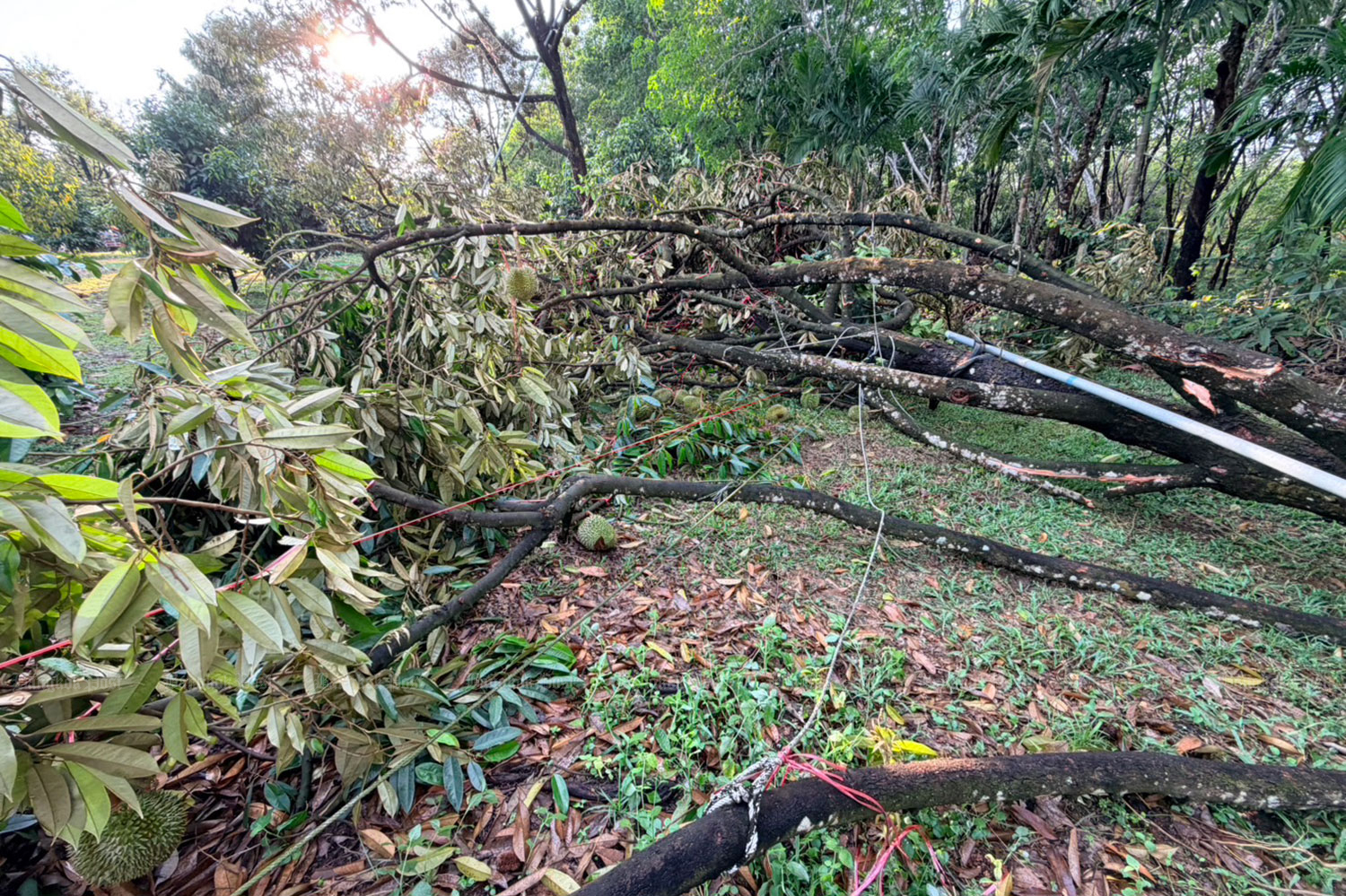
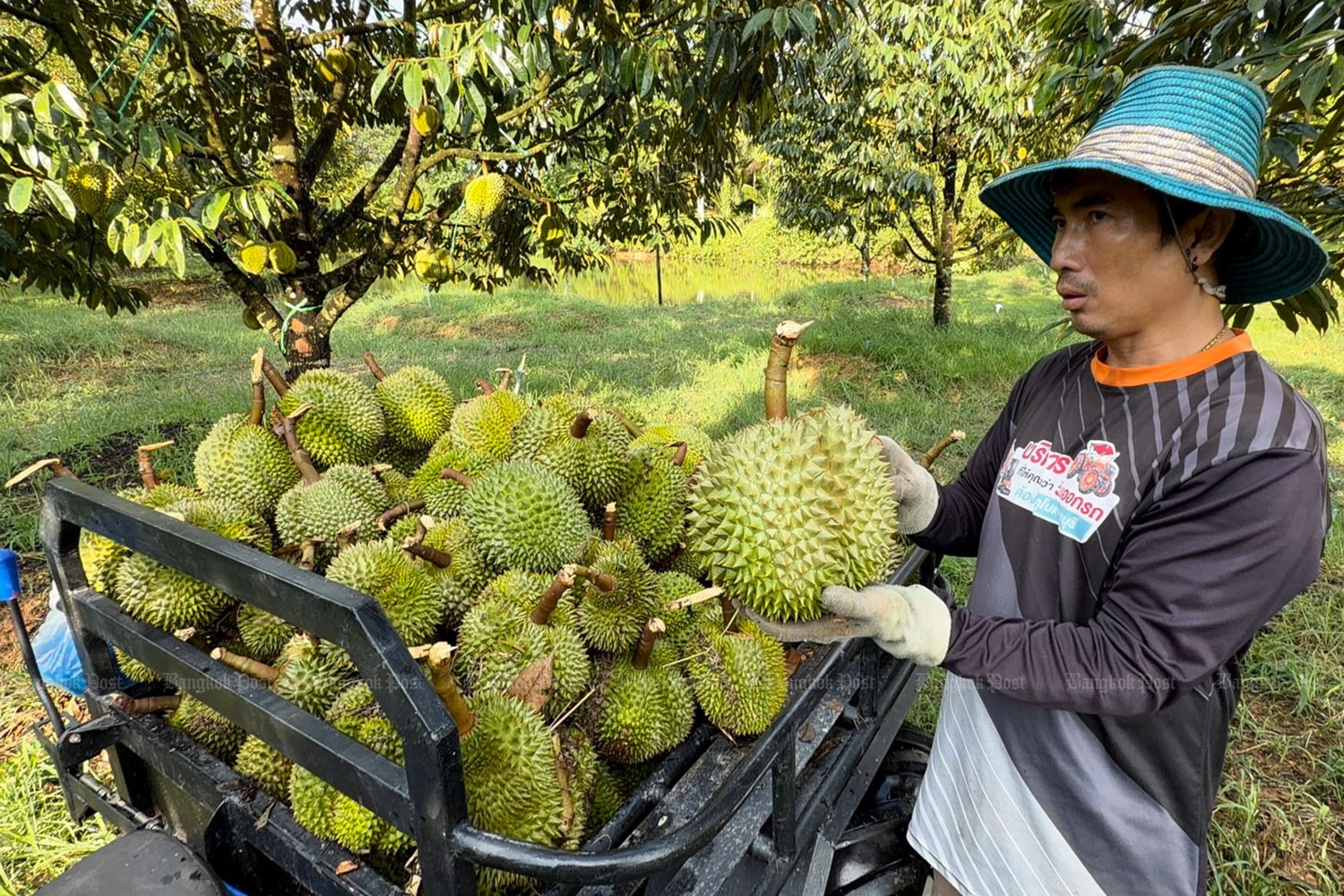
The impact on individual farmers has been particularly acute. Cherdchai Chaemchoi, a 46-year-old durian grower, estimated that nearly 1,000 of his fruits were damaged, primarily the Kradoom variety, which was expected to be harvested around March 20. He also reported significant losses of the Monthong variety, another popular and commercially valuable durian cultivar. “We tied the fruit and supported the trees, but the wind was too strong. The trees were swinging so hard that nothing held,” Chaemchoi said, expressing his despair at the scale of the destruction. Bangkok Post
Boonyong Yucharoean, a 72-year-old farmer, experienced some of the worst damage, losing six uprooted trees and his entire near-harvest crop. “The fruit is still immature. You can’t eat it, can’t fry it, can’t even use it for ice cream. Everything that fell is wasted. All I can do is cut up the fallen trees and sell the wood,” Yucharoean lamented, highlighting the complete loss of his investment and the limited options for recovery. He attributed the intensity of the storm to shifting weather patterns, noting that even with preventative measures like steel poles and wire supports, the wind proved too powerful.
Ampha Hongngern, 60, lost approximately 500 fruits, valued between 100,000 and 200,000 baht, despite having tied her Monthong durians earlier in the day. The storm’s rapid onset prevented her from securing the entire orchard, resulting in substantial losses. “This was our first batch, meant to be harvested before Songkran,” she explained, emphasizing the disruption to her planned harvest schedule.
The Growing Threat of Extreme Weather in Thailand
The recent storm in Trat province is not an isolated incident. Thailand has been experiencing an increase in extreme weather events in recent years, including more frequent and intense storms, prolonged droughts, and devastating floods. These events are widely attributed to the effects of climate change, which is altering weather patterns and increasing the risk of natural disasters across the region. The Thai government has acknowledged the growing threat and has implemented various measures to mitigate the impacts of climate change, including investments in disaster preparedness and climate-resilient agriculture. However, the scale of the challenge requires sustained and coordinated efforts at both the national and international levels.
Durian cultivation in Thailand is particularly vulnerable to these changes. The fruit requires specific climatic conditions to thrive, and even slight variations in temperature or rainfall can significantly impact yields. The increasing frequency of extreme weather events poses a serious threat to the long-term sustainability of the durian industry, which is a major source of income for many rural communities. The Kradoom and Monthong varieties, both heavily impacted in this recent storm, are key export products, contributing significantly to Thailand’s agricultural revenue. One News Page
Durian Theft Concerns Add to Farmers’ Woes
Compounding the challenges faced by durian farmers in Trat province, there has been a recent surge in fruit theft. In March 2023, police launched a dedicated durian-guarding service after a farmer lost 1 million baht worth of durians to thieves. The Nation Thailand Ao Cho police station initiated patrols during nighttime hours, when thieves are most active, to provide increased surveillance and deter criminal activity. Damage from durian thefts in Trat was estimated at several million baht in 2023, with tons of fruit stolen from plantations. This added security concern further burdens farmers already grappling with the impacts of climate change and economic pressures.
The durian-guarding scheme highlights the growing require for security measures to protect agricultural assets in the region. Police officials emphasized the importance of providing peace of mind to farmers, who face numerous challenges, including drought and fluctuating prices. The initiative involves teams of officers patrolling orchards in two shifts, from 6:00 PM to midnight and from midnight to dawn, until the entire harvest is completed.
Village chief Apichart Rattanawong advised other growers who were not directly affected by the storm to proactively strengthen their trees and secure branches and fruit to minimize potential damage from future weather events. This includes reinforcing tree supports, pruning branches, and using protective netting to shield the fruit from strong winds and heavy rainfall.
The Thai government is expected to provide further updates on the extent of the damage and the assistance available to affected farmers in the coming days. The Department of Agriculture is currently assessing the overall impact on durian production and is working with local authorities to develop a comprehensive recovery plan. The situation underscores the urgent need for long-term strategies to address the challenges posed by climate change and ensure the sustainability of Thailand’s agricultural sector.
As the region braces for the remainder of the storm season, farmers are urged to remain vigilant and take proactive measures to protect their crops and livelihoods. The incident serves as a stark reminder of the vulnerability of agricultural communities to the impacts of extreme weather and the importance of investing in climate resilience.
We encourage readers to share their thoughts and experiences in the comments below. Your insights are valuable as we continue to report on this developing story and its broader implications.
Keep reading