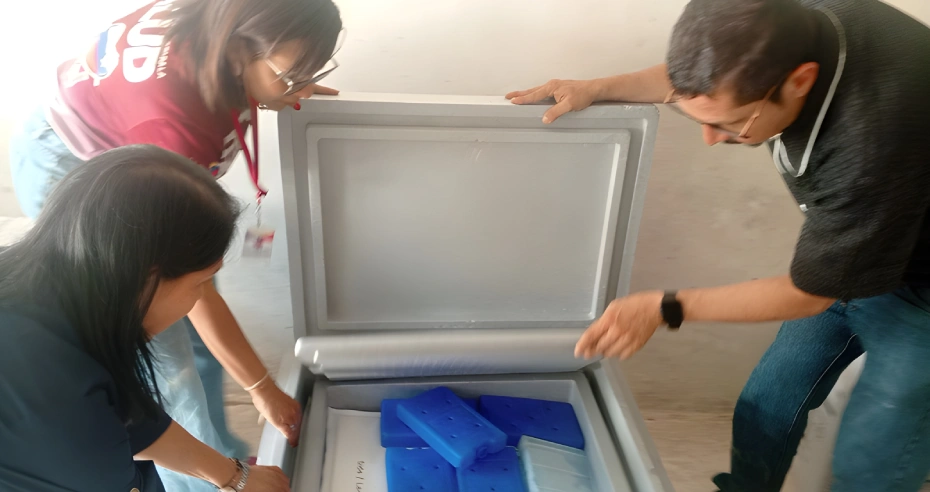
Mérida, Venezuela – A significant shipment of biological products and medical supplies arrived at the Corporación de Salud (Corposalud) of Mérida state this Thursday, bolstering the nation’s vaccination program. The delivery, intended to strengthen immunization efforts across the region, was handled with strict adherence to cold chain protocols and biosecurity measures, according to officials.
The arrival of these essential resources comes at a crucial time for public health initiatives in Venezuela. Maintaining a robust vaccination schedule is paramount to protecting communities against preventable diseases, particularly among vulnerable populations like children, pregnant women, and students. This latest delivery underscores a commitment to ensuring continued access to vital immunizations for residents of Mérida state.
Nilda Ramírez, the state coordinator for the Expanded Immunization Program (PAI), stated that the supplies, dispatched from the national level, will directly support and enhance healthcare services for the population of Mérida. The focus remains on safeguarding the well-being of children, expectant mothers, and school-aged individuals through comprehensive immunization coverage. The PAI is a key component of Venezuela’s public health strategy, aiming to reduce the incidence of vaccine-preventable diseases nationwide.
Strengthening Immunization Infrastructure in Mérida
The delivery was carefully managed with the involvement of specialized technicians who ensured the integrity of the cold chain – a critical aspect of vaccine efficacy. Representatives from the Sanitary Control Agency (SACS) and the warehouse management team were also present during the reception and verification process, emphasizing transparency and accountability in the distribution of resources. This multi-agency oversight aims to guarantee that the supplies reach their intended destinations efficiently and effectively.
The initiative reflects a collaborative effort between the Ministry of Popular Power for Health, led by Dr. Nuramy Gutiérrez, Governor Arnaldo Sánchez, and Dr. Moraima Salazar, the Single Health Authority of Mérida state. This coordinated approach demonstrates a unified commitment to protecting the population against endemic and vector-borne diseases. The Venezuelan government has consistently prioritized public health, investing in infrastructure and resources to combat infectious diseases and improve overall health outcomes.
The Importance of Vaccination Programs
Vaccination remains one of the most effective public health interventions globally. According to the World Health Organization (WHO), vaccines prevent millions of deaths each year, protecting against a wide range of infectious diseases, including measles, polio, and tetanus. The WHO emphasizes the critical role of immunization in achieving universal health coverage and reducing health inequities.
In Venezuela, the PAI has been instrumental in controlling and eliminating several vaccine-preventable diseases. However, maintaining high vaccination coverage rates requires ongoing investment in infrastructure, supply chains, and public awareness campaigns. Challenges such as logistical difficulties, vaccine hesitancy, and economic constraints can hinder immunization efforts, highlighting the importance of sustained support from both national and international partners.
Addressing Vaccine Hesitancy
Vaccine hesitancy – the reluctance or refusal to vaccinate despite the availability of vaccines – is a growing concern worldwide. Factors contributing to hesitancy include misinformation, lack of trust in healthcare providers, and concerns about vaccine safety. Addressing these concerns requires transparent communication, evidence-based information, and community engagement. Healthcare professionals play a vital role in educating patients about the benefits and risks of vaccination, fostering informed decision-making.
The Venezuelan Ministry of Popular Power for Health has implemented various initiatives to promote vaccination and combat misinformation. These include public awareness campaigns, training programs for healthcare workers, and community outreach events. Efforts to build trust and address concerns are essential to maintaining high vaccination coverage rates and protecting the population from preventable diseases.
Corposalud Mérida and Regional Healthcare
Corposalud Mérida plays a central role in the delivery of healthcare services in the state. The organization is responsible for managing a network of hospitals, clinics, and diagnostic centers, providing a wide range of medical services to the population. According to its official website, Corposalud’s mission is to promote health, prevent disease, and provide quality healthcare to all residents of Mérida state.
The recent delivery of medical supplies will directly benefit Corposalud’s ability to provide essential immunization services. Strengthening the organization’s capacity to manage and distribute vaccines is crucial for ensuring that all eligible individuals have access to timely and effective immunization. This investment in healthcare infrastructure will contribute to improved health outcomes and a healthier population in Mérida state.
Looking Ahead: Continued Commitment to Public Health
The arrival of these medical supplies represents a significant step forward in strengthening Venezuela’s vaccination program. However, sustained efforts are needed to address ongoing challenges and ensure that all communities have access to the protection offered by vaccines. The Ministry of Popular Power for Health, in collaboration with state and local authorities, remains committed to protecting the population from preventable diseases and promoting a healthier future for all Venezuelans.
The next scheduled update regarding the national vaccination campaign is expected from the Ministry of Popular Power for Health in late March 2026, where officials will likely provide data on vaccination coverage rates and outline future plans for immunization efforts. We encourage readers to share their thoughts and experiences with vaccination programs in the comments below. Your feedback is valuable as we continue to report on this vital public health issue.
Worth a look