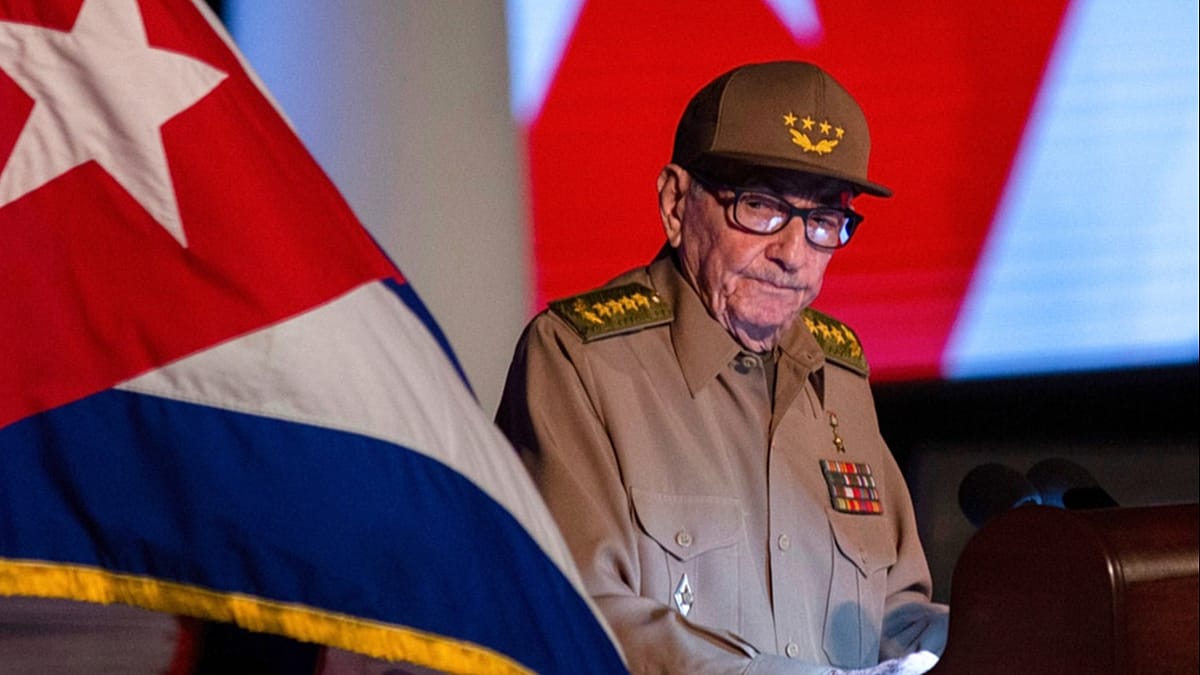
The United States government has officially filed criminal charges against former Cuban President Raúl Castro, marking a significant and high-profile development in a long-standing legal saga regarding the 1996 downing of two civilian aircraft. The indictment, which was made public recently, accuses the former Cuban leader and five co-defendants of conspiracy to kill U.S. Nationals, according to reports from the BBC.
The legal action centers on a tragic incident that occurred on February 24, 1996, when Cuban Air Force jets intercepted and shot down two Cessna aircraft operated by “Brothers to the Rescue,” a Miami-based Cuban exile group. The attack resulted in the deaths of four individuals: three U.S. Citizens and one Cuban national. For decades, this event has remained a flashpoint in the strained diplomatic relations between Washington and Havana.
The Charges and Legal Implications
The indictment filed against Raúl Castro and his co-defendants includes severe criminal allegations. Specifically, Castro and one other individual, identified as Lorenzo Alberto Perez-Perez, are facing four counts of murder—one for each of the victims who perished in the 1996 incident. Both men are charged with two counts of destruction of aircraft. The U.S. Government has indicated that the primary charge of conspiracy to kill U.S. Nationals carries a potential maximum sentence of life in prison, while the murder counts carry the possibility of death or life imprisonment.
The filing of these charges represents an aggressive shift in U.S. Prosecutorial strategy toward high-ranking foreign officials. Acting U.S. Attorney General Todd Blanche has not clarified whether the United States intends to pursue the physical arrest or extradition of the former Cuban president, leaving the practical enforcement of these charges an open question for international legal observers.
Havana’s Official Response
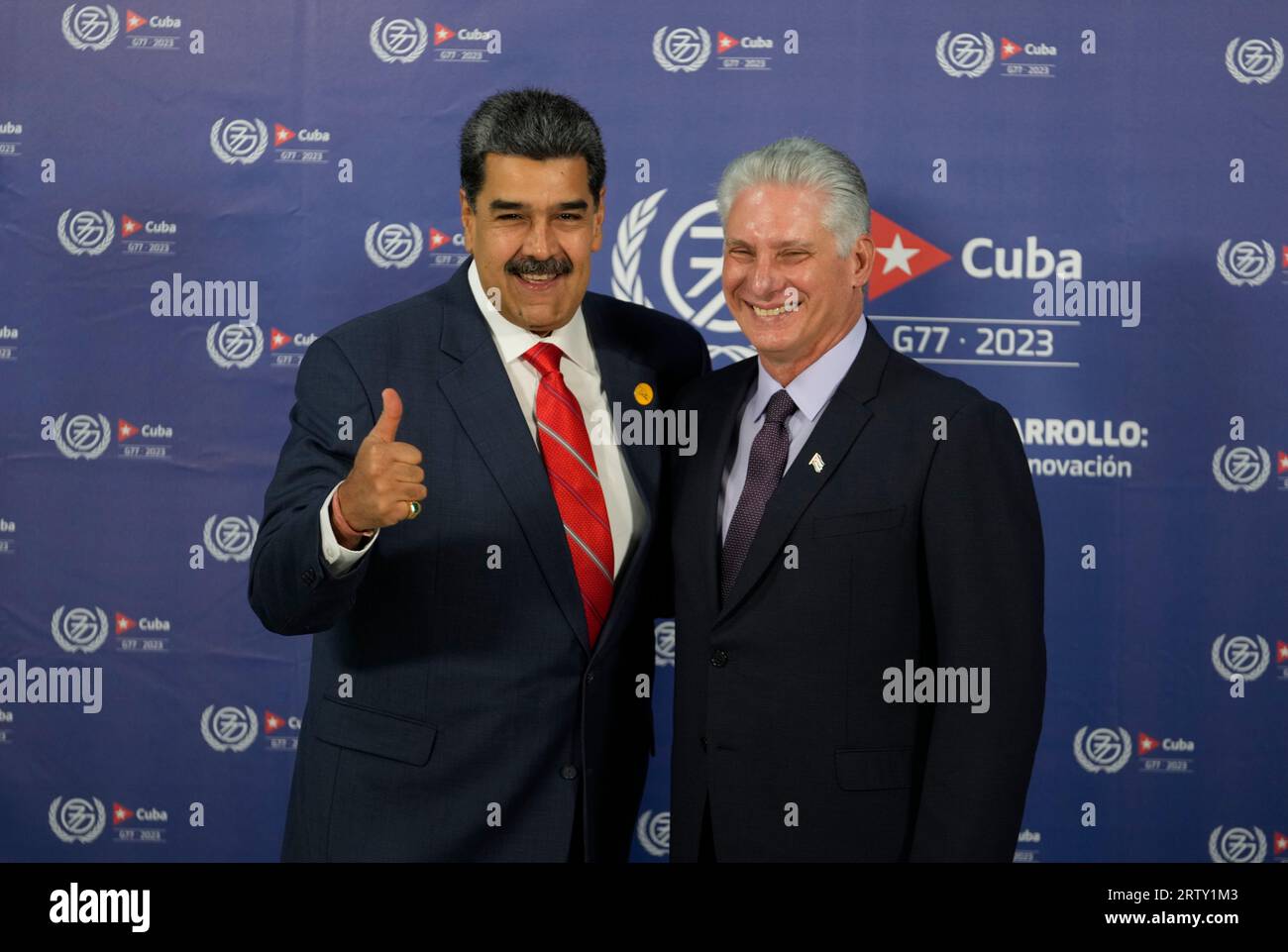
The Cuban government has vehemently rejected the legitimacy of the indictment. Current President Miguel Díaz-Canel utilized social media to characterize the charges as a political maneuver, asserting that the allegations are entirely devoid of any legal foundation. The Cuban leadership maintains that the United States has distorted the historical record regarding the 1996 incident and has further accused the Brothers to the Rescue organization of operating as a narco-terrorist group.
This diplomatic friction reflects the deeply entrenched ideological divide that has characterized U.S.-Cuba relations for over half a century. From the perspective of the Cuban state, the indictment is viewed as an extension of broader economic and political pressures exerted by Washington.
Context and Historical Significance
The incident involving the Brothers to the Rescue planes occurred during a period of heightened tension between the two nations. The group, known for conducting search-and-rescue operations for rafters fleeing Cuba, often flew missions that the Cuban government deemed a violation of its sovereign airspace. The 1996 downing resulted in international condemnation and led to the subsequent tightening of U.S. Sanctions against the Cuban administration.
In recent months, the U.S. Department of Justice has increasingly targeted high-ranking international officials with criminal indictments, signaling a broader, albeit controversial, effort to hold foreign leaders accountable for actions against U.S. Interests. The targeting of a former head of state like Raúl Castro is a rare and significant escalation in this legal campaign.
Key Takeaways
- Legal Charges: Raúl Castro faces multiple counts, including conspiracy to kill U.S. Nationals and four counts of murder.
- The Incident: The case stems from the February 24, 1996, downing of two civilian planes operated by the Brothers to the Rescue group.
- Casualties: Four people—three U.S. Citizens and one Cuban national—were killed in the 1996 aerial engagement.
- Government Stance: Current Cuban President Miguel Díaz-Canel has dismissed the indictment as a politically motivated fabrication.
As this case progresses, the international community will be watching to see if the United States proceeds with further legal steps or if the indictment remains a symbolic gesture within the complex geopolitical framework of the Caribbean and the Americas. At this time, no further hearings or specific procedural deadlines have been confirmed by the Department of Justice.
This is a developing story. We invite our readers to share their perspectives in the comments section below as more information becomes available regarding the legal proceedings.
Related reading