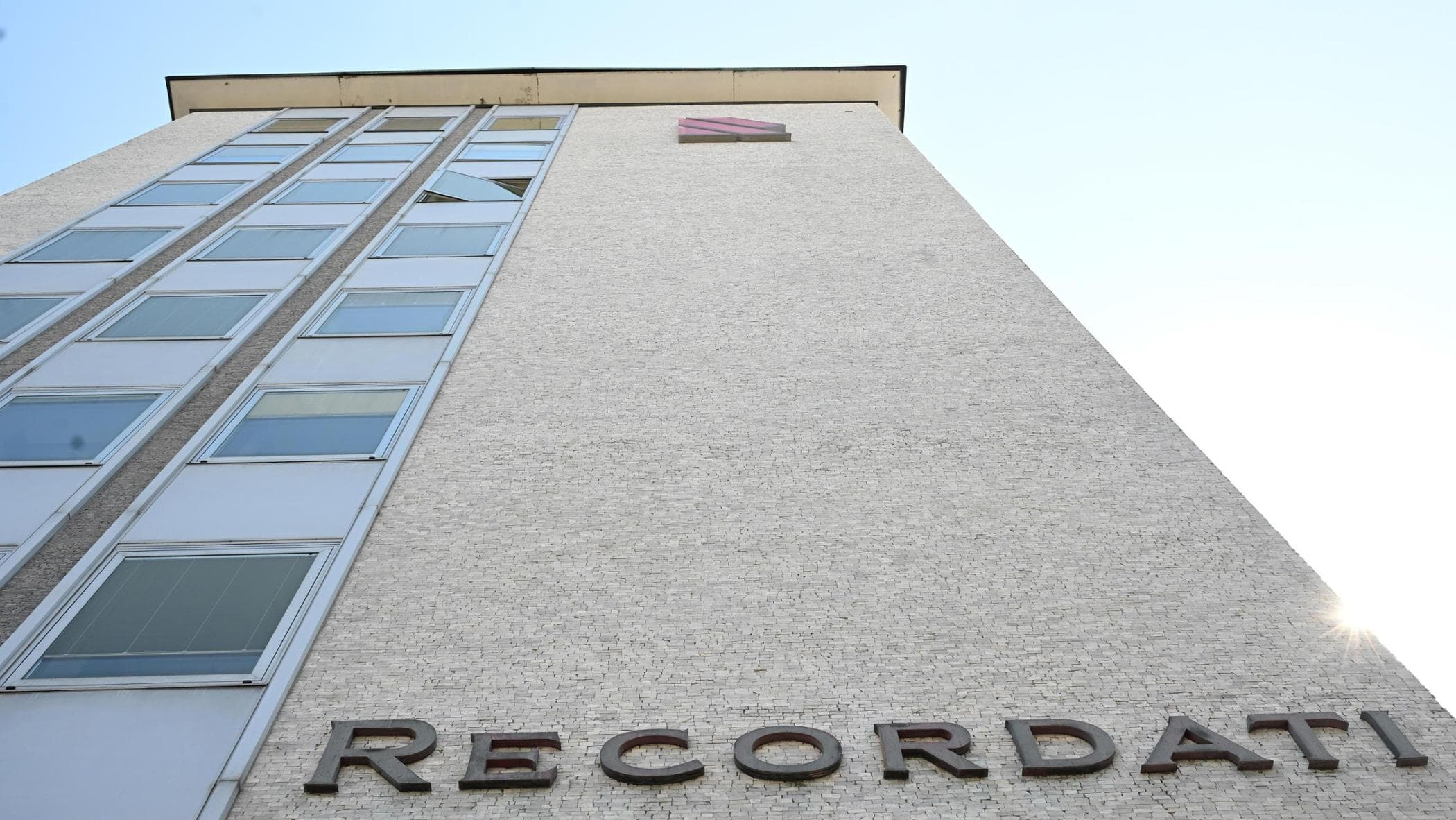
The landscape of the Italian pharmaceutical industry is facing a potential paradigm shift as international private equity interest intensifies. Recordati, a historic pillar of the Milan-based life sciences sector, has recently become the subject of significant market attention following reports of a potential takeover bid. This development marks a critical juncture for a company that has operated as a cornerstone of the Italian stock exchange for decades.
The interest in the firm, often characterized as a 10.7 billion euro takeover bid, involves major global investment entities. For investors and industry analysts alike, the move represents one of the most substantial corporate maneuvers in the European healthcare market this year. As the company navigates its centennial year, the prospect of its delisting from Piazza Affari—the Milan Stock Exchange—has prompted an urgent dialogue regarding the future of domestic industrial ownership and the role of global capital in traditional European family-led enterprises.
The Mechanics of the Proposed Acquisition
The proposed operation is spearheaded by CVC Capital Partners and Groupe Bruxelles Lambert (GBL). According to regulatory filings and market disclosures, the offer price was structured to provide a premium over the official share price observed prior to the announcement. This premium is a standard, yet critical, component of public tender offers (OPA – Offerta Pubblica di Acquisto), designed to incentivize existing shareholders to divest their holdings in favor of the bidding consortium.
The acquisition of a pharmaceutical company of Recordati’s stature is not merely a financial transaction; it is a strategic consolidation. Recordati has historically maintained a robust portfolio focusing on specialized therapeutic areas, including rare diseases and primary care. By taking the company private, the bidding funds would gain the ability to restructure operations, accelerate international expansion, and pivot long-term research and development priorities without the immediate pressures of quarterly market reporting.
Piazza Affari and the Trend of Delisting
The potential departure of Recordati from the Milan Stock Exchange reflects a broader, concerning trend for European capital markets. Over the past several years, Piazza Affari has seen a steady exodus of high-profile companies, often through acquisitions by private equity firms or mergers that result in a shift of headquarters or listing venues. This phenomenon, frequently referred to as the “hollowing out” of national stock exchanges, poses a challenge to the liquidity and visibility of the Italian market.
For a company that has been a staple of the Italian industrial identity for 100 years, the move to private ownership is symbolic. It highlights the divergence between the valuation frameworks of public markets and the long-term investment horizons favored by private equity. While the shareholders may realize immediate gains from the premium offered, the loss of such a significant entity from the public market leaves a vacuum that is difficult to fill with new initial public offerings (IPOs), which have been notably sparse in the current macroeconomic climate.
Key Stakeholders and Market Implications
The impact of this proposed acquisition extends beyond the executive board. Employees, local suppliers, and the broader Italian scientific community are closely watching the situation. Historically, private equity involvement in the pharmaceutical sector has been a double-edged sword. While it often brings necessary capital for infrastructure upgrades and market scaling, it can also lead to cost-cutting measures that may affect localized research hubs.
As noted in financial market reporting regarding private equity strategies, the consortium’s primary goal is the optimization of the company’s cash flow and the enhancement of its competitive position in the global rare disease market. The success of this bid will depend on the acceptance rate of the shareholders and the regulatory scrutiny from competition authorities, who must ensure that such a massive concentration of market power does not stifle industry innovation.
Looking Ahead: The Next Regulatory Checkpoint
As of May 2026, the situation remains fluid. Investors are currently awaiting the formal filing of the tender offer documents with the Italian market regulator, CONSOB (Commissione Nazionale per le Società e la Borsa). This filing will be the next definitive checkpoint, as it will contain the binding terms of the offer, the timeline for the tender period, and the conditions under which the consortium might withdraw the bid.

For those invested in the future of the pharmaceutical sector, tracking these regulatory filings is essential. We will continue to monitor the progress of this offer as it moves through the necessary legal and administrative channels. The outcome will likely serve as a litmus test for the attractiveness of Italian assets to global investors in the coming decade.
What are your thoughts on the trend of historic firms moving into private equity hands? Share your insights in the comments below, and stay tuned to our Business section for further updates as this story develops.
Worth a look