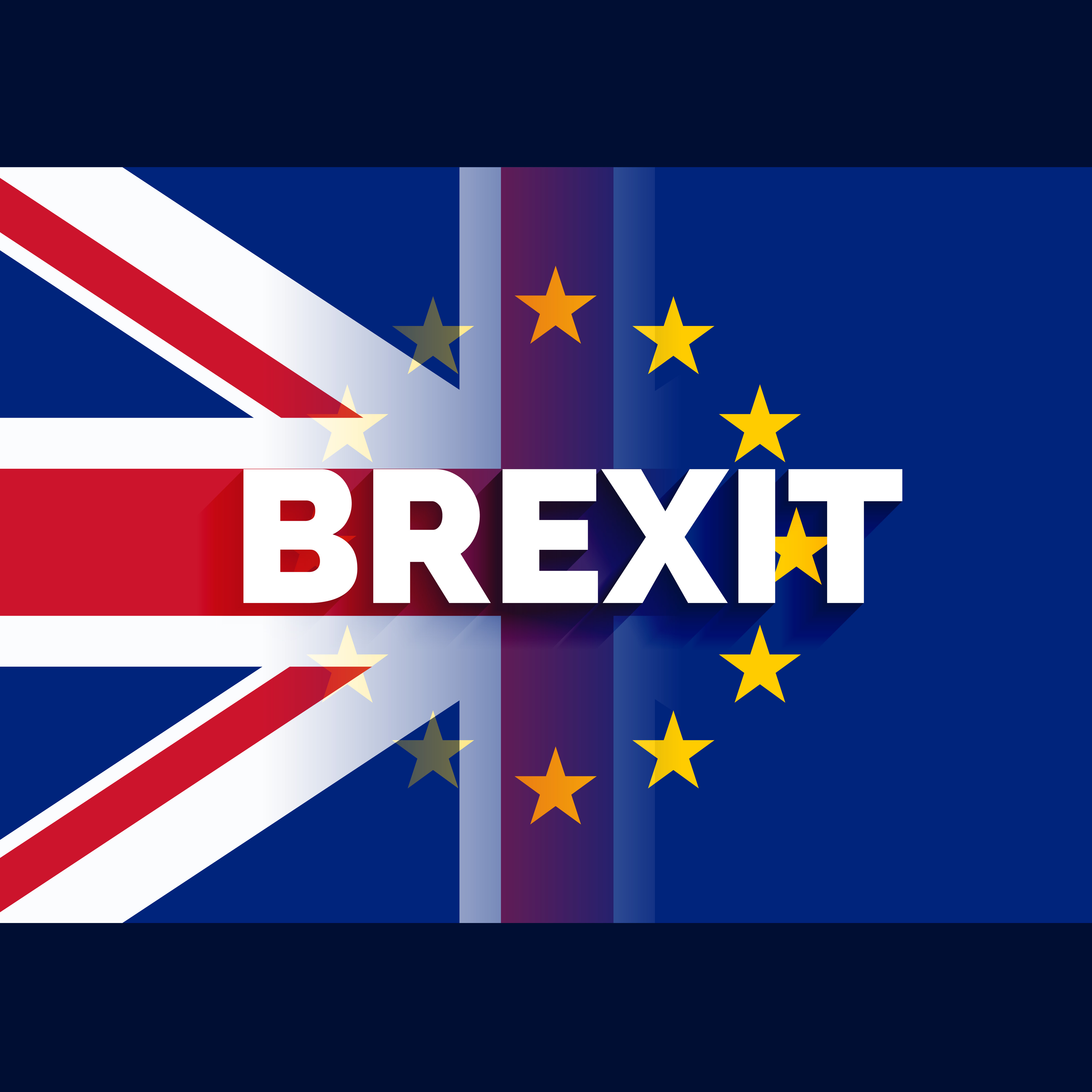
The decision by the United Kingdom to leave the European Union, a process widely referred to as Brexit, remains one of the most significant geopolitical shifts in modern European history. As we look back from the vantage point of May 2026, the withdrawal process—which formally concluded on January 31, 2020—continues to be a subject of intense scrutiny, economic analysis, and political debate. Understanding the long-term consequences of Brexit requires a clear-eyed look at the mechanisms of the withdrawal and the complex transition that followed.
For those observing from abroad, the term “Brexit” serves as a shorthand for a multi-year period of negotiation, legislative change, and institutional realignment. The UK’s departure was not a singular event but a complex series of steps, starting with the 2016 referendum and culminating in the formal exit from the bloc. This transition has reshaped trade relations, migration policies, and the regulatory landscape for both the British government and its European counterparts.
The Evolution of the Withdrawal Process
The path to the UK’s exit was marked by significant legislative and political milestones. The process was anchored by the triggering of Article 50 of the Treaty on European Union, which initiated the formal two-year negotiation period for a member state to withdraw. Throughout this period, the UK parliament navigated complex legal challenges, including the high-profile Miller case, which addressed whether the government required parliamentary approval to trigger the withdrawal process.
The negotiations involved a wide range of stakeholders, from domestic political parties and business leaders to EU representatives in Brussels. Central to these discussions were the terms of the future relationship, the status of citizens’ rights, and the specific challenges regarding the Northern Ireland border. These negotiations were characterized by evolving strategies, leadership changes within the UK government, and a series of extensions to the initial withdrawal deadline as both sides sought to reach a mutually acceptable agreement.
Economic and Social Considerations
Ten years after the initial referendum, the economic impact of the withdrawal remains a primary focus for analysts. The transition from being a member of the EU single market and customs union to an independent trading nation necessitated the creation of new trade frameworks and regulatory standards. Organizations and government bodies continue to monitor indicators such as trade volume, labor market shifts, and public service capacity to understand the practical outcomes of the UK’s new status.
Public discourse surrounding the exit often centers on the balance between national sovereignty and the economic benefits of integration. While proponents of the withdrawal emphasized the ability to strike independent trade deals and regain control over domestic legislation, critics have pointed to the complexities of adjusting to new customs procedures and the challenges faced by specific sectors of the British economy. The ongoing dialogue reflects the depth of the changes initiated in 2016 and the reality that the post-Brexit landscape is still being defined.
Looking Ahead: The Ongoing Dialogue
As of May 2026, the relationship between the UK and the EU remains a dynamic area of foreign policy. Recent reports indicate that discussions regarding potential adjustments to the current framework continue to emerge, as both sides navigate the realities of their new relationship. The focus has shifted from the initial withdrawal logistics to the long-term management of the partnership, including cooperation on security, energy, and research.

For citizens and businesses, the uncertainty that characterized the initial withdrawal phase has largely given way to a period of adaptation. However, the legacy of the decision remains a defining feature of the UK’s political identity. Future developments will likely be shaped by the ongoing efforts of policymakers to optimize the current arrangements and address the evolving needs of both the British public and the European Union member states.
Key checkpoints for the future will include official government reports on economic performance, updates from the relevant departments responsible for trade and international relations, and potential parliamentary reviews of existing legislative frameworks. These official channels remain the most reliable sources for information regarding the future trajectory of the UK-EU relationship. We encourage our readers to stay informed through official government publications and verified, high-authority news outlets as this story continues to develop.
What are your thoughts on the long-term impacts of the UK’s withdrawal from the EU? Join the conversation in the comments section below and share this article with your network to keep the discussion going.
Worth a look