
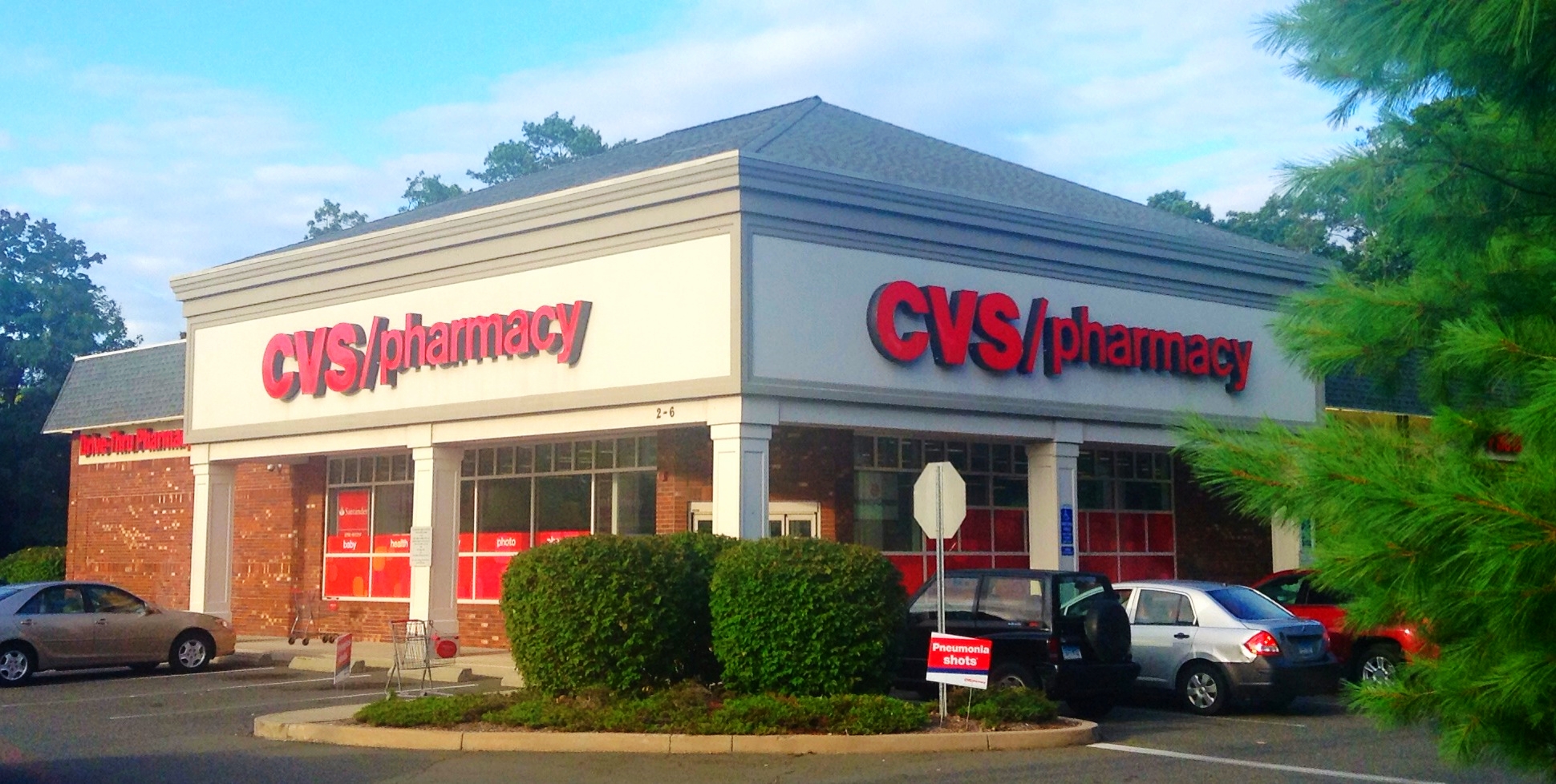
CVS Health Reassesses Oak Street Health Strategy,Closing Clinics Amid Rising Costs
less than three years after a meaningful $10.6 billion investment, CVS health (NYSE: CVS) is recalibrating its approach to Oak Street health.The healthcare giant announced plans to close 16 Oak Street locations in 2026 and moderate growth projections for the value-based primary care provider. This shift reflects a changing healthcare landscape and a focus on enduring profitability.
Why the Change?
During CVS Health‘s recent third-quarter earnings call, CFO Brian Newman explained the decision.The company identified underperforming clinics lacking a clear path to financial stability. “we made the tough decision to close underperforming clinics where we do not see a reasonable path to sustainable margins,” Newman stated. However, CVS remains committed to value-based care as a core element of its Medicare strategy.
A Look back: The Oak Street Acquisition
In 2023, CVS acquired Oak Street Health, a Chicago-based primary care provider specializing in care for Medicare-eligible patients. This acquisition signaled a broader industry trend toward preventative, primary care and expanding services into patients’ homes. Oak Street’s model focused on delivering personalized care, aiming to improve health outcomes and lower costs.
However, the integration hasn’t been without challenges.
* Legal Scrutiny: Last year,Oak Street settled with the U.S.Department of Justice for $60 million, resolving claims of improper kickbacks to insurance agents for patient referrals.
* Rising Medical Costs: Company leaders reported persistently elevated medical costs throughout the second quarter of 2025, impacting profitability.
These factors contributed to a $5.7 billion goodwill impairment charge during the third quarter, reflecting the diminished expected value of the Oak Street acquisition.
Focusing on What Works: Signify Health‘s Success
Despite the Oak Street adjustments, CVS Health is seeing positive momentum in other areas of its healthcare delivery segment. Specifically, Signify Health (NYSE: SGFY) has emerged as a key growth driver.
Signify,acquired by CVS in 2023 for $8 billion,is a value-based platform offering in-home health risk assessments and related services. It has consistently offset pressures experienced by Oak Street, demonstrating the potential of home-based care.
here’s how Signify is contributing:
* Increased Patient Growth: CVS has reported significant patient growth through Signify’s services.
* Higher Volumes: The company is seeing increased utilization of Signify’s home-based care offerings.
* Overall Revenue Growth: Healthcare delivery revenues, bolstered by both Oak Street and Signify, grew 25% year-over-year, excluding the impact of a previous business exit.
What Does This Mean for You?
If you’re a Medicare beneficiary currently receiving care at an Oak Street Health clinic slated for closure,you’ll receive information regarding transitioning your care. CVS Health is committed to ensuring a smooth transition for affected patients.
For those interested in proactive, value-based care, exploring options like Signify Health’s in-home services could be beneficial.
Looking Ahead
CVS Health’s strategic adjustments with Oak Street Health demonstrate the complexities of integrating large acquisitions and navigating a rapidly evolving healthcare market. The company’s continued investment in value-based care, particularly through Signify Health, suggests a long-term commitment to delivering accessible, affordable, and high-quality healthcare services.
Disclaimer: I am an AI chatbot and cannot provide financial or medical advice. This article is for informational purposes only.





![Qatar & Peace: Why the US Should Strengthen Ties | [Publication Name]](https://i0.wp.com/cdn-live.foreignaffairs.com/sites/default/files/styles/social_share/public/images/2025/12/18/2025-10-10T144325Z_1726144100_RC219HAWY7T9_RTRMADP_3_USA-QATAR.JPG?resize=150%2C100&ssl=1 "Qatar & Peace: Why the US Should Strengthen Ties | [Publication Name]")

