
As we navigate the complexities of the digital landscape in 2026, the concept of cyber resilience has shifted from a technical luxury to a fundamental pillar of organizational survival. In an era where interconnected systems are the lifeblood of global commerce, the ability to maintain business continuity beyond the breach is no longer just about prevention—it is about endurance, recovery, and the capacity to operate under duress.
I’m Linda Park, Technology Editor here at World Today Journal. With a background in software engineering and years spent analyzing the evolution of digital threats, I’ve seen firsthand how the focus of industry leaders is migrating. The question is no longer “if” an organization will face a security incident, but “how” it will sustain its operations when that incident occurs. This shift toward resilience is redefining risk management strategies across every sector, from finance to healthcare.
The Evolution of the Threat Landscape
The modern digital environment is defined by an expanding attack surface. Businesses are increasingly integrating cloud-based infrastructure, artificial intelligence, and complex supply chain dependencies to drive efficiency. However, as the International Data Corporation (IDC) has projected, global security spending is expected to reach USD 377 billion by 2028, reflecting the massive scale of investment required to combat increasingly sophisticated threats. These threats are not merely technical glitches. they are systemic risks that can disrupt entire economies.
For many, the primary concern remains the rapid professionalization of cybercrime. Whether through ransomware, phishing, or AI-augmented social engineering, awful actors are leveraging the same tools that businesses use to innovate. According to industry estimates, the annual cost of cybercrime to the global economy is projected to reach USD 10.5 trillion by 2025, a staggering figure that underscores why cybersecurity is now a boardroom-level priority rather than just an IT department concern.
Building Resilience: Beyond Traditional Defense
True cyber resilience requires a move away from the “fortress mentality.” While firewalls and endpoint protection are essential, they are only the first line of defense. Resilience, by definition, implies that an organization expects to be breached. The focus must shift to:
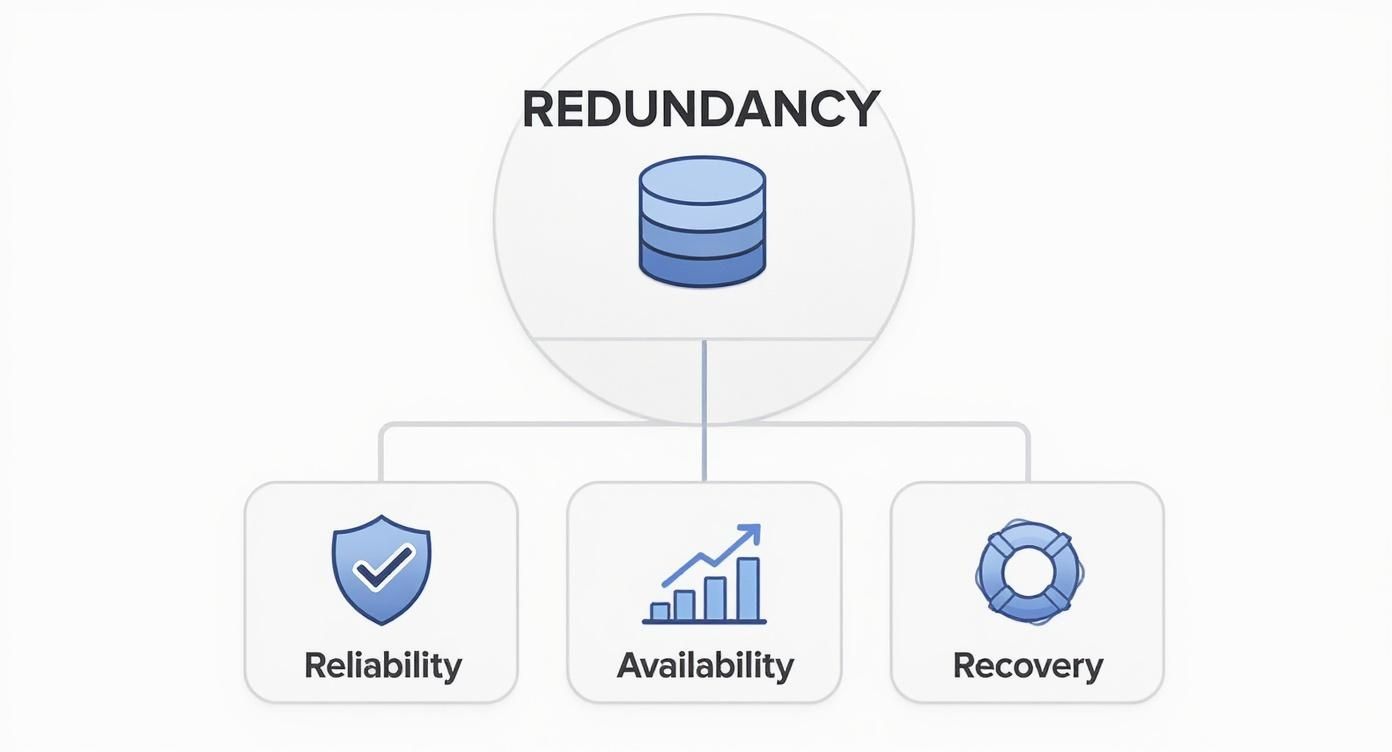
- Redundancy and Recovery: Ensuring that data backups are not only secure but immutable and recoverable within strict Recovery Time Objectives (RTOs).
- Incident Response Orchestration: Developing and regularly testing playbooks that involve stakeholders across the entire organization, not just the security team.
- Supply Chain Transparency: Assessing the security posture of third-party vendors, who often serve as the weakest link in a company’s digital perimeter.
- Continuous Monitoring: Utilizing AI-driven analytics to identify anomalies in real-time, allowing for a proactive rather than reactive stance against emerging threats.
The U.S. Bureau of Labor Statistics highlights the urgency of this mission, projecting that employment of information security analysts will grow 32% from 2022 to 2032. This demand for talent confirms that the human element remains the most critical component of a resilient strategy. Investing in people—training employees to recognize threats and empowering them to act—is as vital as any software solution.
Why Business Continuity Matters Now
The impact of a major security incident extends far beyond the immediate financial loss. It affects customer trust, regulatory compliance, and long-term brand equity. In sectors like healthcare or critical infrastructure, a breach can have real-world consequences for community safety and public health. What we have is why resilience frameworks are increasingly being codified into regulatory mandates.
As we look toward the remainder of 2026, the focus for leaders must be on integration. Siloed security teams are a liability; the most resilient organizations are those that have woven security into their culture, their development lifecycles, and their operational workflows. By embracing a “zero trust” architecture and prioritizing visibility, organizations can ensure that even when a breach occurs, the core business remains functional.
Strategic Takeaways for Organizations
If you are tasked with leading your organization’s digital strategy, consider these three pillars of resilience:

- Assume Compromise: Audit your systems under the assumption that an adversary already has access. This changes the focus to internal segmentation and limiting lateral movement.
- Regular Stress Testing: Conduct frequent tabletop exercises that simulate realistic scenarios, including supply chain compromise and large-scale ransomware attacks.
- Prioritize Data Integrity: Ensure that your critical data remains uncorrupted. Recovery is useless if your backups are also compromised.
The path to resilience is iterative. It requires constant recalibration as technology evolves and threats adapt. By staying informed, investing in the right tools, and fostering a culture of security awareness, organizations can turn the challenge of cyber threats into an opportunity to build more robust, reliable, and trustworthy systems.
As we monitor the ongoing developments in the cybersecurity sector, we encourage our readers to share their own experiences with building resilience in their organizations. Join the conversation below and let us know: what is the biggest hurdle your team faces in maintaining continuity today?
Keep reading