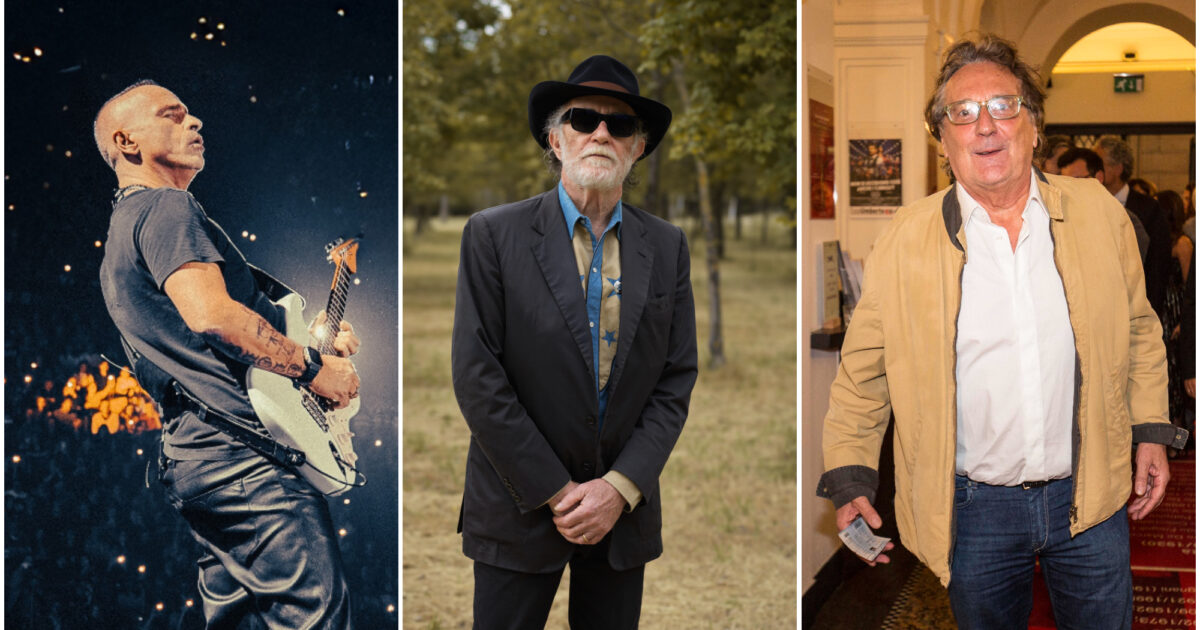
The Italian music industry has recently been the stage for a spirited public debate regarding the role of artists in social and political discourse. At the center of this dialogue is veteran singer-songwriter Francesco De Gregori, whose recent remarks on the responsibilities—or lack thereof—of public figures have drawn sharp criticism from fellow industry stalwarts, including Enzo Iacchetti and Eros Ramazzotti.
De Gregori, a pillar of Italian songwriting, has long maintained a somewhat detached stance toward the intersection of celebrity and political activism. His perspective, which emphasizes the limitations of an artist’s role in influencing global events, has sparked a conversation about the expectations placed upon those in the public eye. This tension highlights a broader philosophical divide between those who view celebrity as a platform for social advocacy and those who argue that artistic expression should remain distinct from the political arena.
The Debate Over Artistic Responsibility
The controversy emerged following public commentary from De Gregori regarding his views on political proclamations, specifically referencing the role of international figures like Bruce Springsteen. De Gregori has expressed skepticism about the efficacy and appropriateness of artists using their platform to advocate for specific political outcomes or candidates. For De Gregori, the focus of an artist should remain primarily on the work itself rather than acting as a political surrogate.
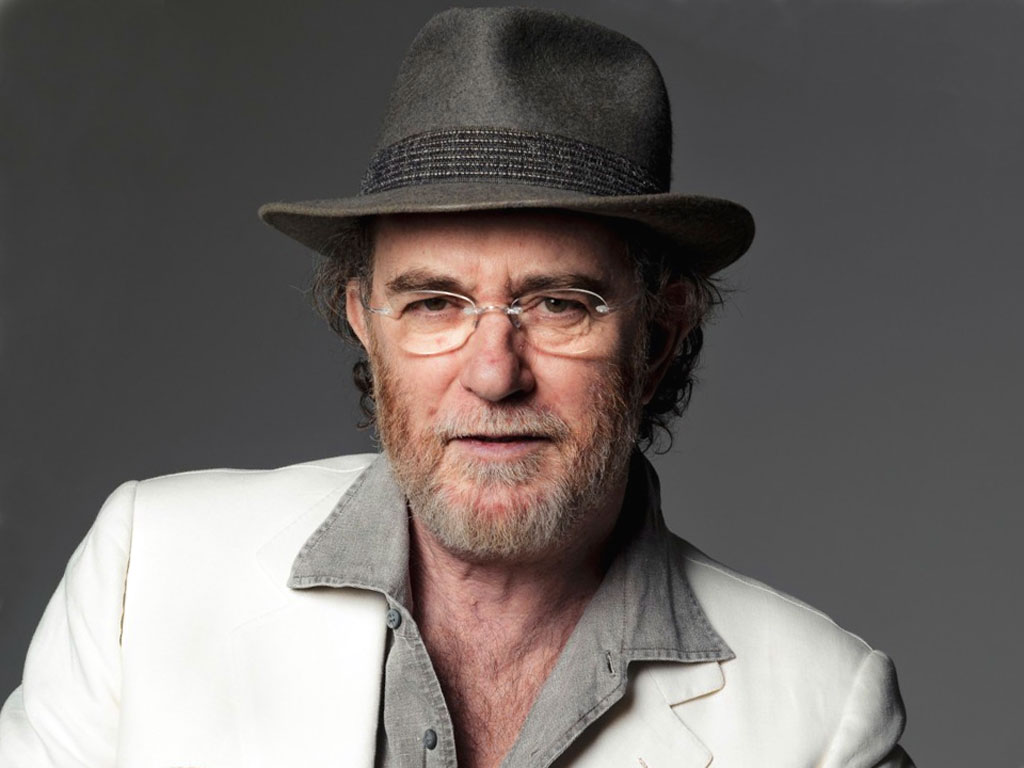
This perspective, however, has not gone unchallenged. Enzo Iacchetti, a well-known television personality and actor, responded with significant disapproval. Iacchetti emphasized a view that public figures possess a responsibility to consider the wider world and the future of upcoming generations, labeling De Gregori’s stance as a missed opportunity for engagement. The exchange has underscored a fundamental disagreement over whether the “man of the stage” carries an inherent duty to participate in the public discourse of his time.
Joining the chorus of dissent, singer Eros Ramazzotti also weighed in on the matter. While maintaining a tone of professional respect, Ramazzotti explicitly stated his disagreement with the sentiment expressed by the veteran songwriter. This public airing of opinions reflects a growing trend where prominent Italian artists are increasingly vocal about their expectations of one another, moving beyond simple artistic critique into the realm of ethical and social debate.
Contextualizing the Artist’s Role
The current discourse is also set against the backdrop of De Gregori’s long-standing career and his personal approach to his craft. He has frequently noted that his interest lies in the “counter-narrative” to the mainstream. This approach has led him to avoid certain high-profile events, such as the Sanremo Music Festival—a decision he has historically linked to the tragic passing of Luigi Tenco in 1967. His career trajectory suggests a deliberate attempt to maintain artistic independence, even when that independence places him at odds with contemporary trends or the expectations of his peers.
For observers of the Italian music scene, this debate is not merely about political opinions; it is a question of identity. It asks whether an artist’s “legacy” is tied to their private artistic integrity or their public participation in the issues of the day. As these figures continue to navigate their respective careers, the dialogue serves as a reminder of the complex relationship between fame, influence, and personal conviction.
What Lies Ahead
As of May 2026, there are no scheduled formal debates or public forums slated to continue this specific exchange. The artists involved—De Gregori, Iacchetti, and Ramazzotti—continue their respective professional commitments, with fans and critics alike observing how these differing philosophies manifest in their future work. The industry remains a vibrant, if occasionally contentious, space where the traditional boundaries of celebrity continue to be tested, and redefined.
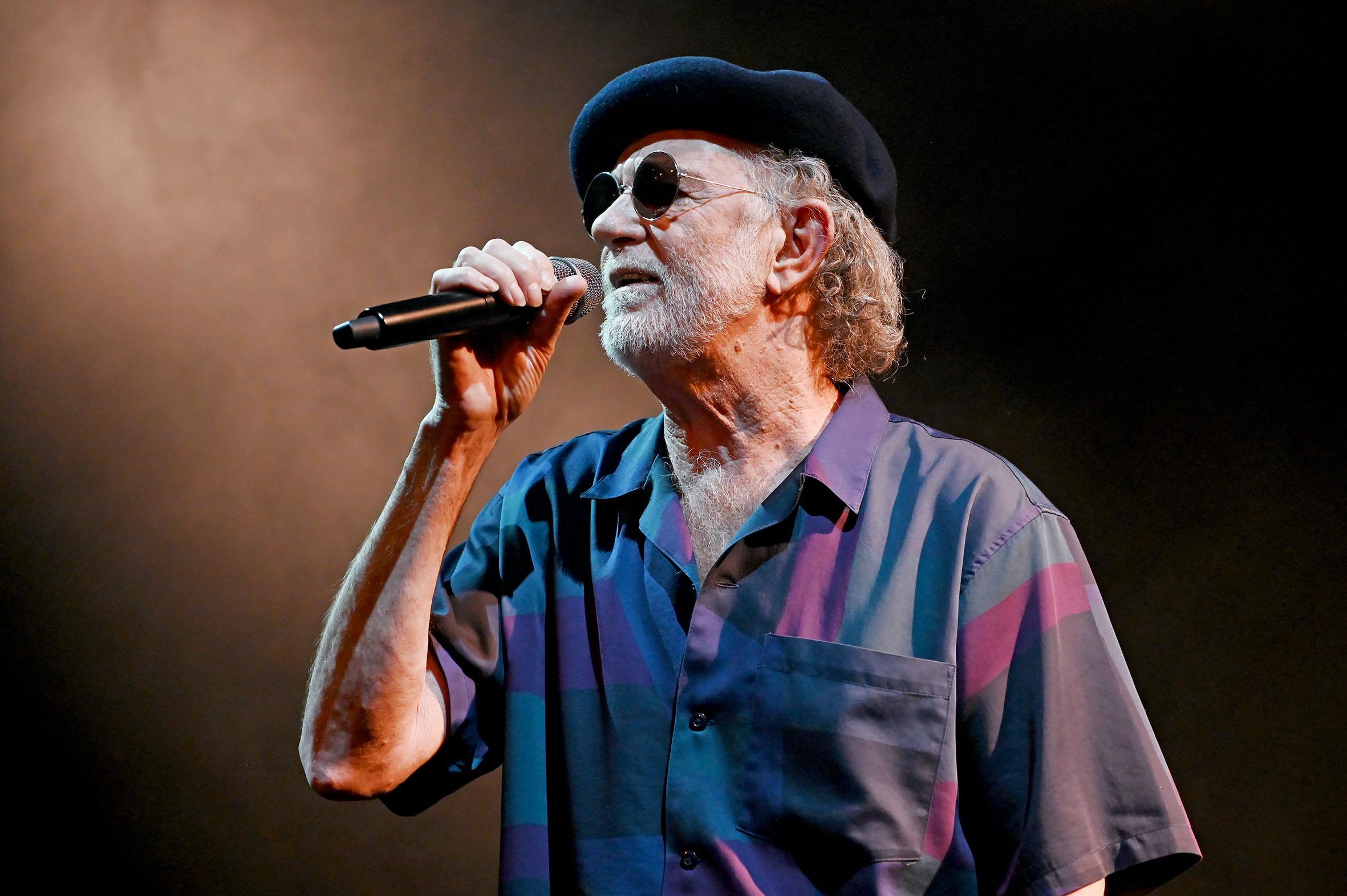
What are your thoughts on the role of the modern artist? Should they be held to a higher standard of political engagement, or is their primary contribution found solely in their art? Share your perspective in the comments section below and join the ongoing conversation regarding the future of public discourse in the arts.
Worth a look