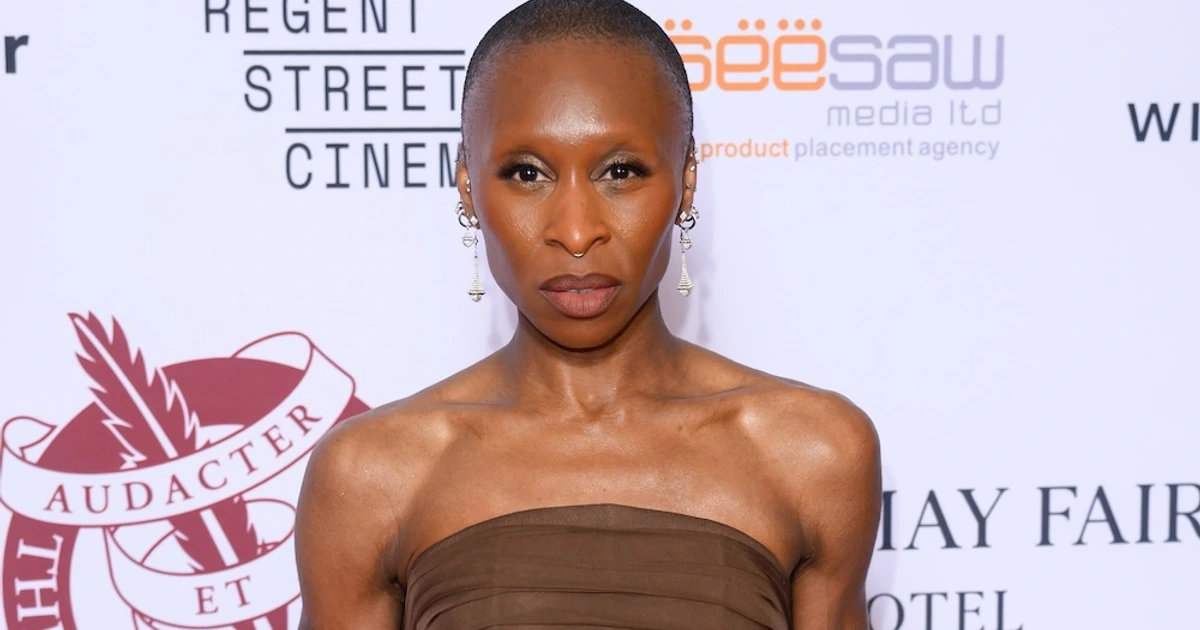
The intersection of celebrity culture and digital scrutiny often produces moments that are rapidly decontextualized. For Cynthia Erivo, an actor globally recognized for her acclaimed performances in film and theater, a recent public appearance transformed into a flashpoint for a broader conversation about the societal expectations placed upon Black women. Following an incident at a promotional event for the film Wicked, Erivo has spoken candidly about how the public’s interpretation of her actions—and her physical presence—reflects deep-seated, often harmful archetypes.
The discourse surrounding the “strong Black woman” trope is not new, but Erivo’s recent comments highlight how this narrative can be weaponized to strip away an individual’s personal agency and vulnerability. By addressing the online reaction to her protective instincts, Erivo is challenging the public to see past the caricature and acknowledge the human reality of the person behind the screen.
The Incident and the Online Response
The events in question occurred last November during the promotional tour for the film adaptation of Wicked. At a premiere event held at Universal Studios Singapore, a member of the public bypassed security barriers and made physical contact with Erivo’s co-star, Ariana Grande. Erivo, who was standing in proximity, moved to intervene, acting as a buffer between her friend and the individual who had crossed the barricade. The interaction was brief, occurring in a high-pressure environment, but it was captured on video and circulated widely across social media platforms.

While some observers interpreted Erivo’s actions as a natural protective response between colleagues and friends, others utilized the footage to construct a different narrative. Online, Erivo was frequently cast in the role of a “bodyguard,” a label that quickly spawned a series of memes and critical commentary. In some instances, the discourse shifted from the event itself to critiques of Erivo’s appearance, including her physique and her choice to wear her hair short. This shift in focus from the immediate danger to a critique of her personhood highlights the ways in which social media can flatten complex human experiences into content for consumption.
Challenging the “Strong Black Woman” Archetype
In a recent interview with Variety, Erivo addressed the nature of the online backlash, noting that it felt rooted in a lack of understanding regarding the experiences of Black women. She suggested that the mockery she faced was not merely about the incident, but about her physical appearance and the assumptions spectators made about her role in relation to her white co-star. According to Erivo, there was an underlying assumption that, because of her physical stature and presence, it was her implicit duty to be the protector, a role that she believes would not have been projected onto others in the same situation.
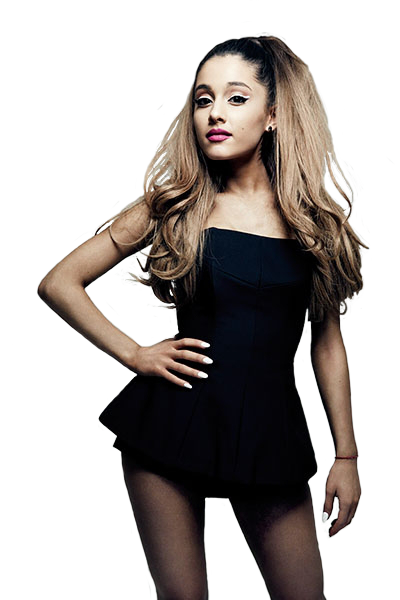
This expectation—that Black women are inherently resilient, stoic and responsible for the emotional and physical safety of others—is what sociologists and cultural critics often refer to as the “strong Black woman” schema. As noted by researchers examining historical and contemporary media representations, this archetype can serve to dehumanize Black women, framing their strength as a default state rather than a complex manifestation of their own humanity and capacity for fear or vulnerability.
Erivo’s reflection on the moment is grounded in a simple human reality: fear. She stated that her reaction was not a calculated performance of strength but an instinctive response to a situation she and her colleagues found terrifying. By reclaiming this narrative, Erivo is emphasizing that Black women are entitled to the same range of emotions—and the same protection—that is afforded to any other person. The incident serves as a modern example of how historical burdens are projected onto contemporary figures, often at the expense of their individual identity.
Historical Context and Cultural Impact
The tendency to view Black women through the lens of protectors or “strong” figures has roots that extend deep into history. In the context of the United States, historians have documented how, during the era of enslavement, Black women were frequently tasked with the care and protection of the households they served, often while their own families and safety were systematically undermined. This historical legacy has created a societal expectation that persists in the public imagination, where the resilience of Black women is celebrated primarily when it functions in the service of others.
While some public commentators have drawn comparisons between modern celebrities and historical figures—such as the Agojie of the Kingdom of Dahomey—these comparisons can sometimes obscure the individual’s lived experience. Erivo’s critique suggests that such cultural shorthand, while perhaps intended as a compliment, often functions to keep Black women in a box where their vulnerability is ignored. By speaking out, Erivo is not only defending her actions at the Wicked premiere but also pushing back against the broader cultural conditioning that demands Black women remain perpetually strong, unbothered, and in service to the needs of those around them.
Moving the Conversation Forward
The conversation Erivo has initiated is part of a larger, ongoing dialogue in the entertainment industry and beyond regarding equity, representation, and the ways in which public figures are treated online. The incident at Universal Studios Singapore serves as a case study for how quickly narratives can become skewed by racialized tropes. As Erivo noted, the incident was not about her role as a “bodyguard” or her physical form. it was about a group of people facing a frightening situation and reacting accordingly.
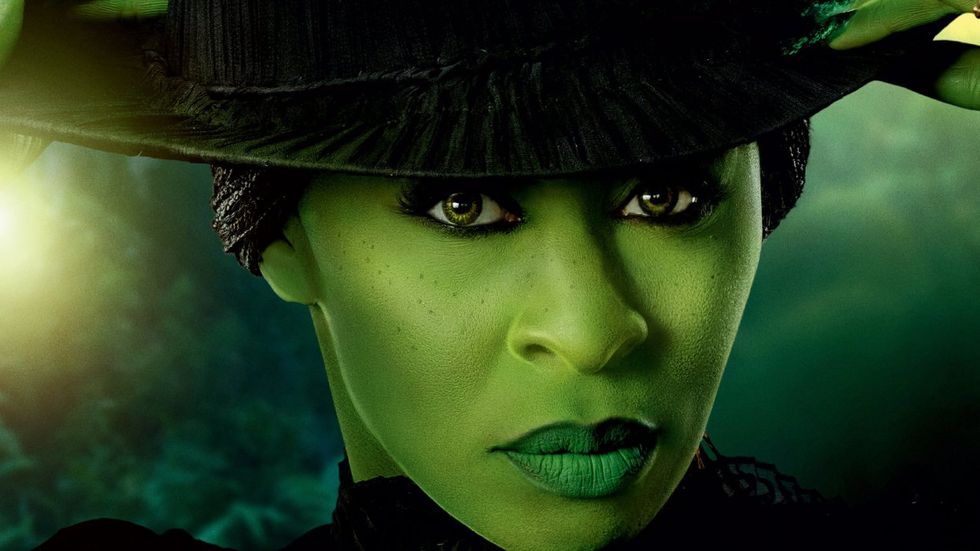
By articulating her perspective, Erivo has invited a wider audience to consider the humanity of those they see on screen. The expectation that Black women should be the protectors of everyone else, without acknowledgment of their own fear or need for support, is a barrier to genuine empathy. Erivo’s willingness to address this issue highlights a growing trend among public figures to challenge the media and the public to be more discerning and less reliant on harmful stereotypes.
As the entertainment industry continues to evolve, the discourse surrounding how stars are depicted and understood will remain a critical area of focus. Whether through candid interviews or direct engagement with fans, actors are increasingly taking control of their own narratives, ensuring that their public image reflects their reality rather than the projections of others. Erivo’s response to the Wicked incident is a significant contribution to this effort, reminding us all that the right to stand up, to feel fear, and to be seen as a whole person is universal.
We invite our readers to share their thoughts on this topic in the comments section below. As this story develops and further public discourse emerges, we will continue to provide updates on how these important conversations regarding representation and cultural archetypes are shaping the modern media landscape.
Worth a look