Unveiling Cyprus’s Hidden Depths: A Call to Protect Newly Discovered Mesophotic Ecosystems
For decades, the twilight zone of our oceans - between 50 and 200 meters deep – remained largely unexplored. These mesophotic ecosystems,bathed in ‘middle light’ where photosynthesis is limited but not absent,harbor a wealth of biodiversity. Recent groundbreaking research off the coast of Cyprus is finally bringing these hidden worlds into focus, and the findings demand urgent action.
Pioneering Exploration with MESOPHOS
The UK government-funded MESOPHOS project, led by the Marine & Environmental Research (MER) Lab, has conducted the first complete exploration of mesophotic ecosystems around Akrotiri and Dhekelia, British Overseas Territories on the island of Cyprus.Utilizing remotely operated vehicles (ROVs) – essential tools given the depths exceed recreational scuba diving limits – the team surveyed over 32 sites, revealing a stunning array of life.This exploration wasn’t just about discovery; it was about filling a critical knowledge gap. Previously, these depths were virtually unmapped, leaving these fragile environments vulnerable to unseen impacts.
A Biodiversity Hotspot Revealed
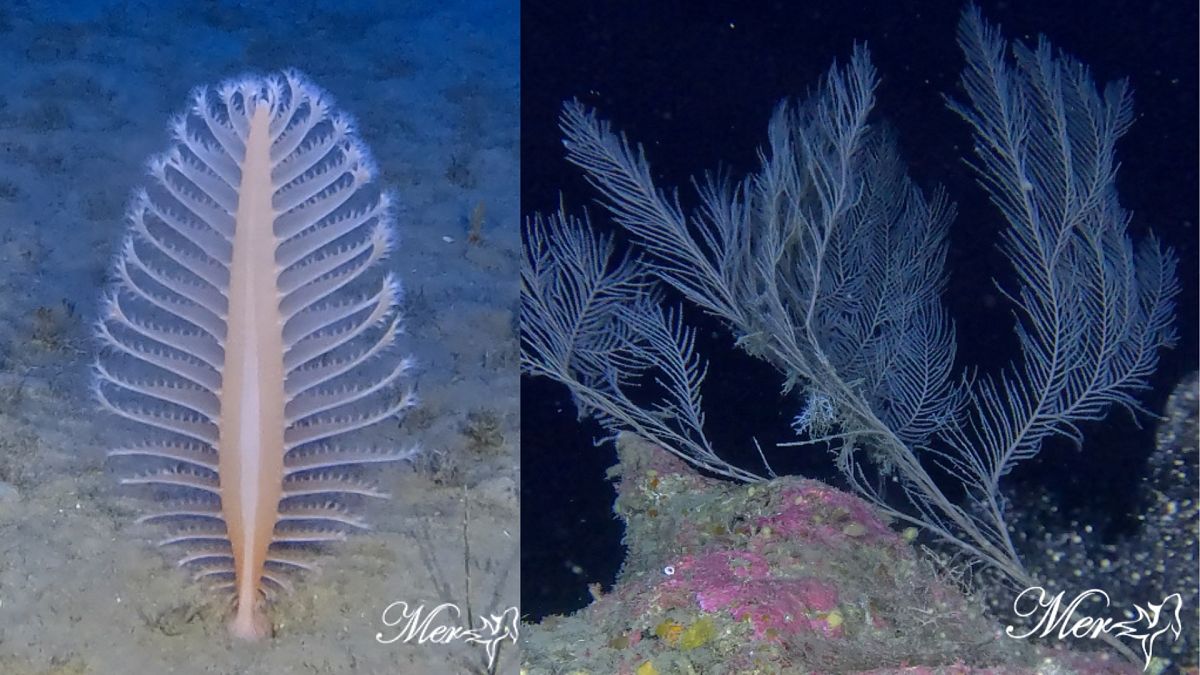
The results are remarkable.Over 200 species were documented, including many never before recorded in Cypriot waters. The ecosystems are teeming with:
Sponges: Forming extensive grounds and providing crucial habitat.
corals: Including fragile, slow-growing species like gorgonians ( Callogorgia verticillata), hydroid corals (Lytocarpia myriophyllum), soft corals, and sea pens. Many of these are already threatened or protected.
Anemones: Adding to the vibrant tapestry of life.
Diverse Marine Life: Supported by the complex habitats created by these organisms.
these mesophotic ecosystems aren’t just gorgeous; they potentially serve as vital refuges for species struggling in degraded shallow-water coral reefs.They contribute to the resilience of marine resources and indirectly support enduring fisheries.
The Disturbing Reach of Human Impact
Despite their depth and relative isolation, these ecosystems are not immune to human activity. The MESOPHOS team documented a concerning level of impact, including:
Marine Litter: From everyday items like soft drink cans to more damaging “ghost gear” – lost or abandoned fishing equipment.
Bottom Trawling: Visible scars from this destructive fishing practice.
invasive Species: Threatening the delicate balance of the ecosystem.
Coral Death: Likely linked to the escalating effects of ocean warming.”The presence of human impacts at these depths is notably concerning,” explains Christina Michail, Biologist and Marine Biologist at the MER Lab. “Habitats like maerl beds, sponge grounds, and corals are extremely slow-growing and highly vulnerable. We observed clear marks from bottom trawling alongside areas of sedimentation and disturbance,reducing both abundance and diversity.”
This underscores a critical point: even the deepest, least accessible parts of our oceans are feeling the pressure of human activity.
Urgent Action: Protecting Cyprus’s Underwater Treasures
The MESOPHOS project has definitively confirmed the existence of these sensitive ecosystems and highlighted the threats they face. Now, urgent protection measures are paramount.
The MER Lab recommends:
- Immediate Protection from Destructive fishing: Specifically, a ban on bottom trawling in areas containing sensitive habitats like maerl beds and coralligenous reefs.
- Comprehensive Habitat Mapping: To accurately delineate the spatial extent of these critical areas and guide effective management strategies.
- Long-Term Monitoring: To track progress, assess the effectiveness of conservation efforts, and adapt management practices as needed.
- Expanded Research: Encouraging similar surveys around Cyprus to build a more complete understanding of these ecosystems and their vulnerability.
These findings aren’t just relevant to Cyprus. They serve as a stark warning about the interconnectedness of marine ecosystems and the need for proactive conservation efforts globally. Protecting these hidden depths isn’t just about preserving biodiversity; it’s about safeguarding the health of our oceans and the future of our planet.
Further Reading:
* [Euronews: Climate Change Intensified Weather That Fuelled Deadly Wildfires in Türkiye, Greece and Cyprus](https://www.euronews.com/green/2025/08/28/climate-change-intensified
Worth a look