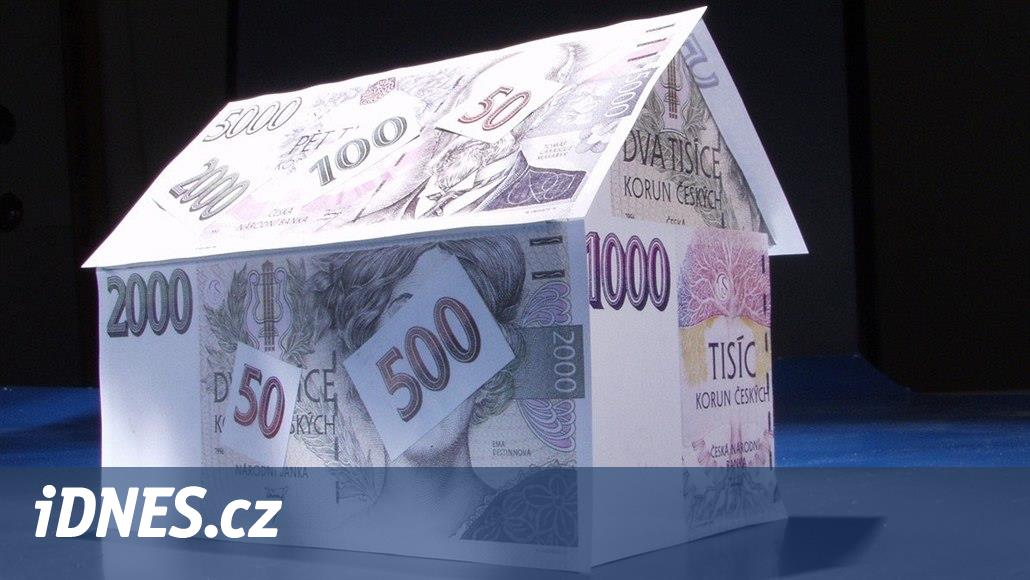
Approximately two-thirds of Czech homeowners are currently planning home renovations, marking a significant shift in residential behavior driven by rising energy costs and new government subsidy programs, according to data from the Czech Republic’s construction and real estate sectors. This surge in home improvement activity follows a period of relative stagnation and is now primarily focused on energy efficiency and heat source replacement.
The trend reflects a broader European movement toward “green” building standards. In the Czech Republic, the motivation has shifted from purely aesthetic updates to critical infrastructure upgrades. Homeowners are increasingly prioritizing the installation of heat pumps, window replacements, and external wall insulation to mitigate the impact of volatile energy prices.
This shift is heavily influenced by the New Green Savings (Nová zelená úsporám) program, a state-funded initiative managed by the State Environmental Fund of the Czech Republic. By providing substantial grants for energy-saving measures, the program has lowered the financial barrier for the majority of property owners who previously avoided large-scale reconstructions.
Energy Efficiency as the Primary Driver for Czech Homeowners
The current boom in home renovations is not a return to traditional interior design trends but a strategic response to energy insecurity. According to the Ministry of Regional Development of the Czech Republic, the focus of modern reconstructions is overwhelmingly centered on reducing the energy performance certificate rating of buildings.

Data indicates that the most requested interventions include the replacement of old gas boilers with heat pumps and the installation of photovoltaic systems. These upgrades are designed to reduce reliance on the national grid and volatile fossil fuel markets. The decision to renovate is often triggered by the realization that the long-term operational costs of an unrenovated home now exceed the amortized cost of a subsidized reconstruction.
The scale of this movement is evident in the volume of applications for state subsidies. The New Green Savings program has seen a massive influx of requests, signaling that a significant portion of the housing stock—much of which dates back to the socialist era—is now reaching a critical point of obsolescence. This creates a “bottleneck” in the construction industry, where demand for certified energy auditors and specialized installers currently exceeds available capacity.
The Role of the New Green Savings Program
The State Environmental Fund (Státní fond životního prostředí) operates the New Green Savings program, which serves as the financial engine for these renovations. The program provides grants that cover a substantial percentage of the costs for insulation, window replacements, and heating system upgrades.

For many homeowners, the program’s structure makes the transition to sustainable energy feasible. By offering a combination of direct grants and low-interest loans, the state has effectively shifted the “break-even” point for energy renovations. This has encouraged the two-thirds of owners who are now planning work to move forward with projects they had previously deferred for a decade or more.
However, the program also mandates strict adherence to technical standards. To qualify for funding, homeowners must employ certified professionals and provide a detailed energy audit. This requirement ensures that the renovations actually result in energy savings rather than merely providing a financial windfall to property owners.
Market Constraints and the Construction Bottleneck
Despite the high demand, the Czech construction sector faces significant headwinds. The surge in renovation plans has collided with a shortage of skilled labor and fluctuating material costs. According to industry reports, the lead time for installing a heat pump or completing a comprehensive exterior insulation project has increased significantly over the last 24 months.
This labor shortage is compounded by the complexity of “green” renovations. Unlike simple painting or flooring, energy-efficient reconstructions require specialized knowledge of thermal bridges, moisture barriers, and electrical integration for smart heating systems. This has led to a price increase for certified contractors, which partially offsets the benefits of the government subsidies.
Furthermore, the transition from gas to electric heating puts additional pressure on the local distribution networks. In some regions of the Czech Republic, the rapid adoption of heat pumps and EV chargers is forcing utility companies to accelerate grid modernization to prevent local outages during peak winter loads.
Comparing Traditional vs. Modern Reconstruction Goals
The nature of home improvement in the Czech Republic has evolved from “beautification” to “optimization.” The following table outlines the shift in priorities based on current market trends and subsidy applications.
| Feature | Traditional Reconstruction (Pre-2020) | Modern Reconstruction (Current Trend) |
|---|---|---|
| Primary Goal | Aesthetics and Layout | Energy Efficiency and Cost Reduction |
| Key Intervention | Kitchen/Bathroom updates | Insulation and Heat Pump installation |
| Funding Source | Personal Savings/Consumer Loans | State Grants (NZÚ) and Green Loans |
| Metric of Success | Visual Appeal/Resale Value | Energy Class (A-G) / Monthly Utility Bill |
Impact on Property Values and the Real Estate Market
The trend toward energy-efficient homes is fundamentally altering the Czech real estate market. Properties with a low energy rating (typically classes E, F, or G) are seeing a widening price gap compared to renovated homes. Potential buyers are now factoring in the “cost of renovation” as a direct deduction from the asking price of a property.

Real estate analysts note that a “green premium” has emerged. Homes that already possess a heat pump and high-quality insulation sell faster and at higher prices because they offer the buyer immediate protection against energy price spikes. This creates a cycle where homeowners are incentivized to renovate not just for comfort, but to protect their primary financial asset.
This shift is also impacting the rental market. Tenants are increasingly seeking “energy-efficient” rentals to avoid the high utility costs associated with older, uninsulated apartments. This puts pressure on landlords to invest in energy upgrades to maintain occupancy rates and justify rental increases.
Future Outlook and Next Steps for Homeowners
The momentum of the renovation boom is expected to continue as the European Union pushes for stricter Energy Performance of Buildings Directives (EPBD). These regulations will likely mandate minimum energy standards for all residential buildings, making renovations a legal necessity rather than a financial choice.
For homeowners currently planning reconstructions, the most critical next step is securing a certified energy auditor. Because the State Environmental Fund requires an audit before and after the work to verify energy savings, the availability of these professionals remains the primary gatekeeper for the subsidy process.
The next major update regarding the New Green Savings program and potential changes to subsidy ceilings is expected during the next budget cycle of the Czech Ministry of Finance, which will determine the longevity of the current grant levels.
Do you have experience navigating the New Green Savings program or are you planning a renovation? Share your thoughts and questions in the comments below.