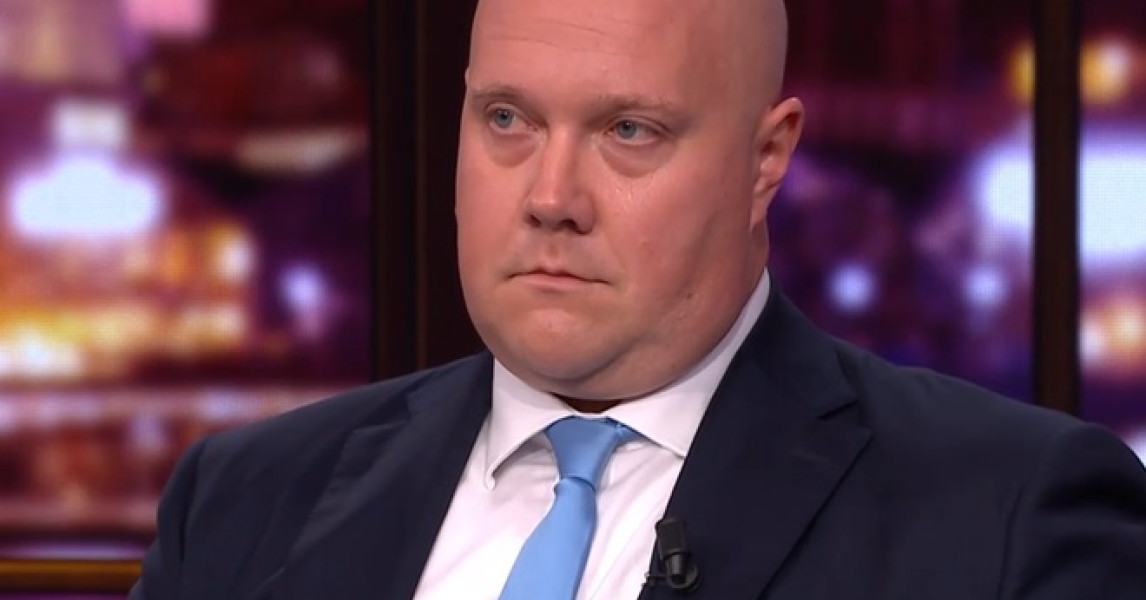
A significant majority of People’s Party for Freedom and Democracy (VVD) voters have lost confidence in the current Dutch government, primarily due to perceived failures in migration policy. According to polling data discussed by WNL, this dissatisfaction centers on a gap between the party’s campaign promises of stricter asylum controls and the actual implementation of policies by the cabinet.
The political friction highlights a growing divide within the Dutch right-wing electorate. While the VVD remains a pillar of the governing coalition, its base is increasingly viewing the administration’s approach to migration as a “disappointment.” This shift in sentiment coincides with a rise in support for more hardline parties, such as the Party for Freedom (PVV) and JA21, which have capitalized on the perceived softness of the current coalition.
The tension is not merely about the volume of arrivals but the perceived lack of execution on “strict” migration mandates. For many VVD supporters, the transition from electoral rhetoric to governing reality has felt like a retreat, leading to a sharp decline in trust toward the leadership of the cabinet.
VVD Voter Dissatisfaction and the Migration Gap
The core of the current crisis for the VVD lies in the discrepancy between the party’s platform and the government’s output. According to reports from WNL, a vast majority of VVD voters no longer trust the cabinet to deliver on its promises to curb asylum seekers and irregular migration. This lack of confidence is rooted in the belief that the government has failed to implement the “strict” migration regime promised during the campaign.
This sentiment is mirrored in broader polling trends. Some reports indicate that as many as 63 percent of certain demographics are dissatisfied with the cabinet’s performance, specifically citing the influence of coalition partners and the perceived inability of the VVD to maintain its ideological purity on border control. The frustration is often framed as a “betrayal” of the mandate given to the party by its voters.
The impact of this dissatisfaction is evident in the shifting landscape of Dutch politics. According to data cited by various Dutch outlets, the PVV and JA21 have seen a surge in popularity. These parties offer a more uncompromising stance on migration, which appeals directly to the VVD voters who feel the current government is too lenient. When voters perceive a “soft” approach to asylum, they tend to migrate toward parties that promise immediate and drastic reductions in migration numbers.
The Role of Coalition Dynamics and D66
The internal friction within the Dutch government is exacerbated by the diverse ideologies of its coalition partners. While the VVD pushes for tighter controls, other partners, such as the Democrats 66 (D66) party, often hold more liberal views on human rights and international obligations regarding refugees. This creates a policy stalemate that VVD voters interpret as a failure of leadership.

Interestingly, the polling suggests a stark contrast in voter satisfaction based on party affiliation. While VVD voters are reportedly “furious” over the asylum approach, D66 voters have expressed high levels of satisfaction with the cabinet’s direction. This polarization suggests that the government is successfully serving one segment of its coalition base while alienating another.
Beyond migration, other policy areas have created divergent results. For instance, some reports indicate that D66 has seen a boost in support due to the government’s nitrogen plans (stikstofplannen), which aim to reduce emissions to protect biodiversity. However, these same environmental policies often clash with the interests of the VVD’s more conservative and business-oriented constituents, further deepening the trust deficit.
Broader Implications for the Dutch Political Landscape
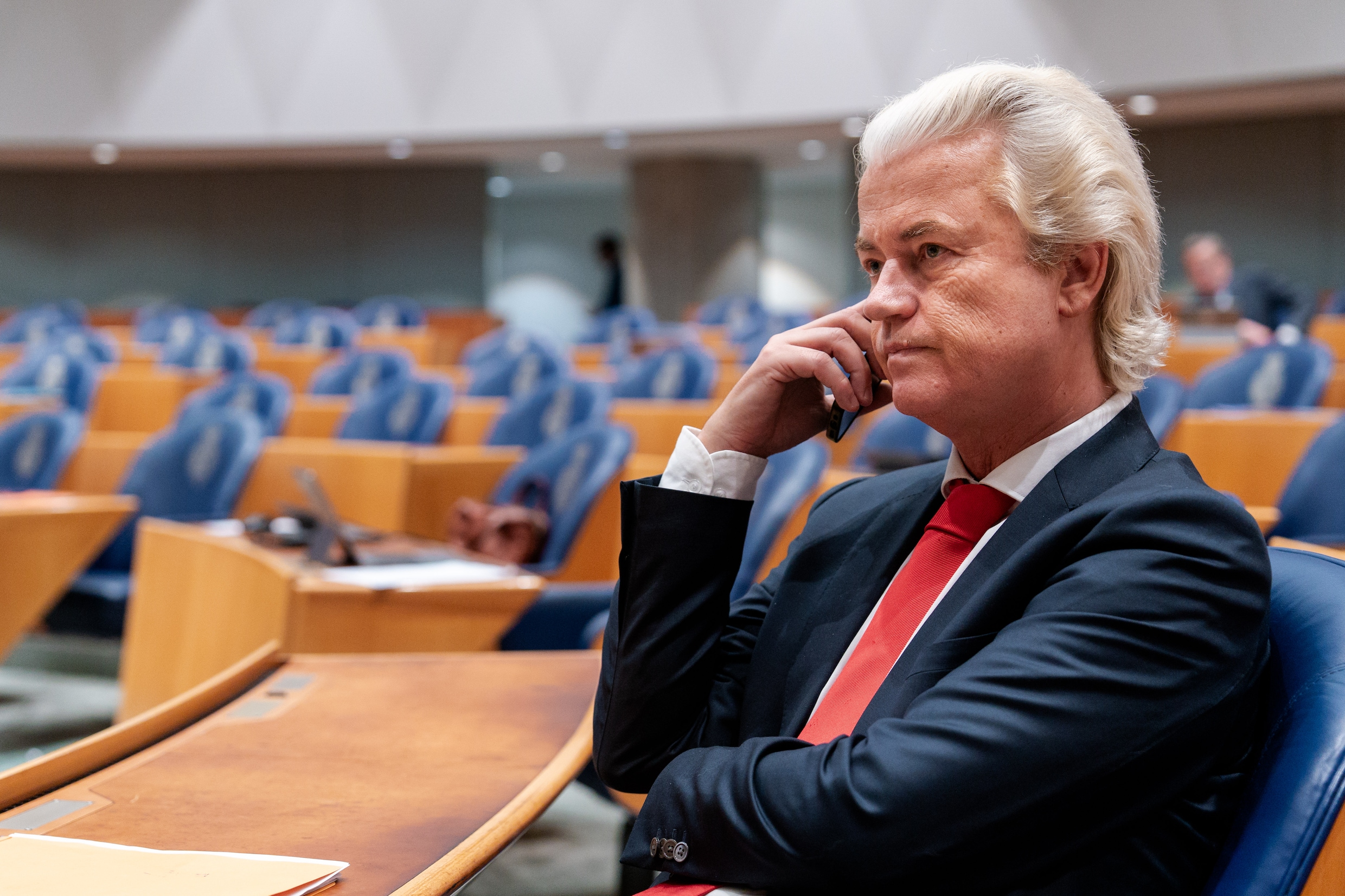
The erosion of trust among VVD voters is not an isolated event but part of a larger trend toward political polarization in the Netherlands. The rise of the PVV, led by Geert Wilders, represents a systemic shift where “center-right” positions are being squeezed by “far-right” alternatives. If the VVD cannot demonstrate tangible success in reducing migration numbers, it risks a permanent exodus of its core electorate.
From an economic and policy perspective, the government’s inability to satisfy its base on migration may hinder its ability to pass other critical legislation. A government struggling with a legitimacy crisis among its primary voters often finds it harder to maintain the discipline required for complex coalition governing, particularly when dealing with the Coalition Agreement mandates.
The current situation places the VVD in a precarious position: it must either pivot toward more aggressive migration policies to win back its base or accept a diminished role as the dominant force on the right. The “disappointment” expressed by voters serves as a warning that electoral loyalty is contingent on the visible delivery of promised results, not just the rhetoric of the campaign trail.
Next Steps for the Cabinet
The Dutch government is expected to face continued pressure as it attempts to refine its asylum and migration strategies. The next critical checkpoint will be the presentation of updated policy frameworks and the results of upcoming parliamentary debates on border security and asylum quotas.
Readers can follow official updates on migration policy through the Government of the Netherlands official portal.
Do you believe the VVD can regain the trust of its voters, or has the shift toward the PVV become permanent? Share your thoughts in the comments below.
Worth a look