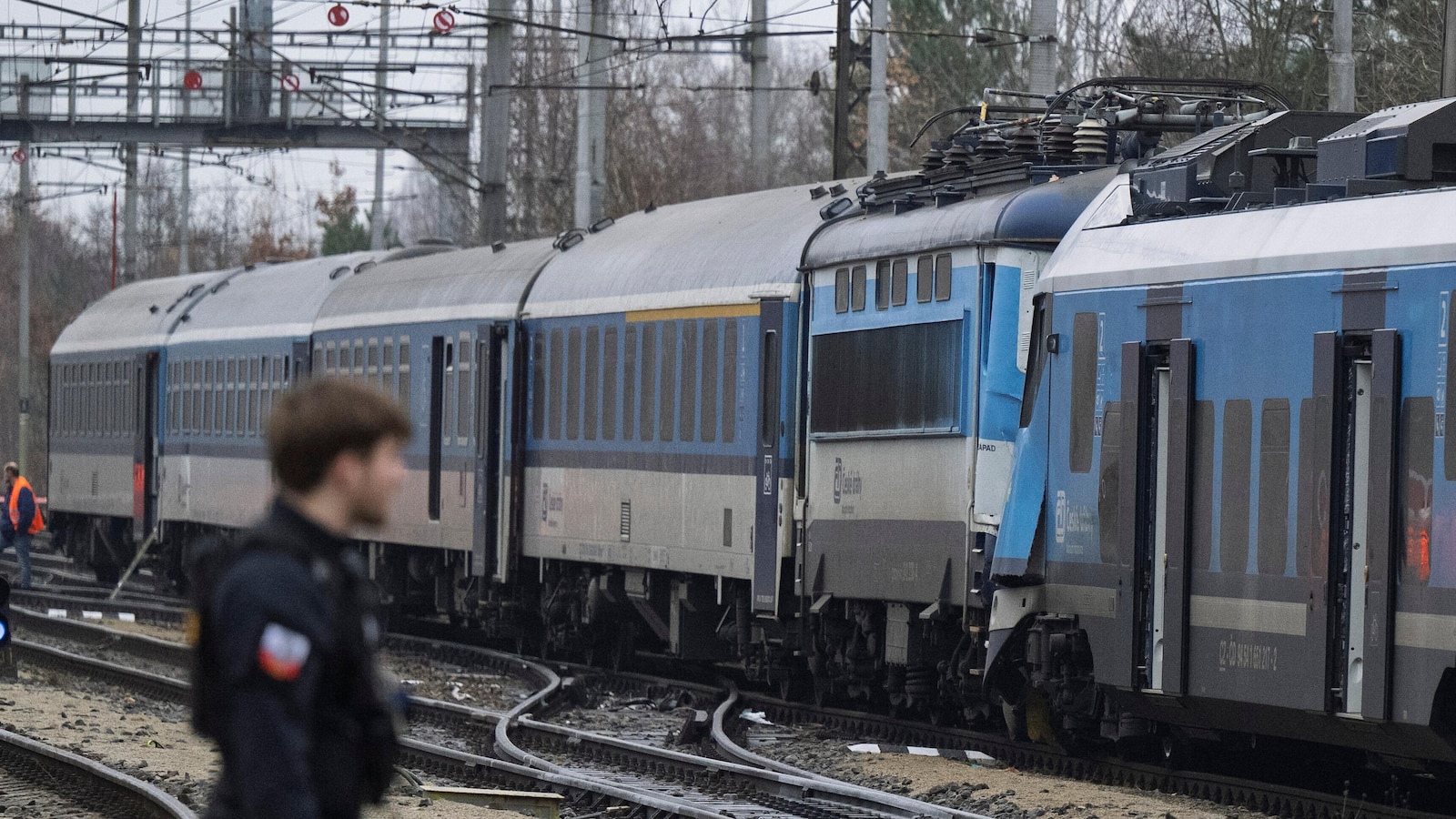
czech Republic Train Collision: A Deep Dive into Causes, Response, and Rail Safety
The recent train collision near České Budějovice in the Czech Republic, occurring on November 20, 2024, has brought the critical issue of rail safety into sharp focus. While initial reports indicate mostly minor injuries – 57 people affected, wiht five hospitalized with serious injuries – the incident underscores the inherent risks within complex rail networks and the importance of robust preventative measures. This article provides an in-depth analysis of the event, exploring potential causes, the emergency response, the impact on rail traffic, and broader implications for rail infrastructure and safety protocols.We’ll delve into the technical aspects, industry standards, and future considerations for enhancing rail travel security.
Understanding the Incident: What Happened?
The collision occurred at approximately 6:20 a.m. local time near České Budějovice, a city in South Bohemia. An express train and another passenger train were involved. Details surrounding the exact sequence of events are still under examination, but preliminary information suggests a potential signaling or operational error may have contributed to the accident.
- Date: November 20, 2024
- Location: Near České Budějovice, Czech Republic
- Trains Involved: Express train & Passenger train
- Injuries: 57 injured (mostly light), 5 seriously injured
- Traffic Impact: Suspension of traffic between České Budějovice and Plzeň
Investigating the Root Causes: beyond Initial Reports
While the immediate aftermath focuses on rescue and recovery, a thorough investigation is paramount.Determining the root cause requires a multi-faceted approach,examining several key areas:
* Signaling Systems: Were the signaling systems functioning correctly? This includes assessing the integrity of track circuits,interlocking systems,and automatic train protection (ATP) systems.
* Human Factors: Did human error play a role? This involves reviewing the actions of train drivers, dispatchers, and maintainance personnel. Fatigue, communication breakdowns, and adherence to procedures are all critical considerations.
* Track conditions: was the track infrastructure in good repair? Regular inspections and maintenance are vital to identify and address potential defects.
* Train Maintenance: Were both trains properly maintained and inspected prior to departure? Mechanical failures can contribute to accidents.
* Operational Procedures: Were established operational procedures followed correctly? This includes speed limits, right-of-way rules, and emergency protocols.
Emergency Response and Medical Care
The regional rescue service responded swiftly to the scene, providing immediate medical attention to the injured. The coordinated effort involved paramedics, firefighters, and police officers. The severity of injuries ranged from minor cuts and bruises to more serious fractures and internal injuries. Hospitals in České Budějovice were prepared to receive and treat the casualties, with five patients admitted with serious injuries. Effective triage and rapid transport to medical facilities were crucial in minimizing the impact of the accident.
disruption to Rail traffic and Passenger Impact
The collision resulted in the immediate suspension of rail traffic between České Budějovice and Plzeň. This disruption impacted commuters, travelers, and freight transport. Authorities initially estimated that the line would remain closed until the afternoon, but the duration of the disruption ultimately depends on the complexity of the investigation and the extent of the