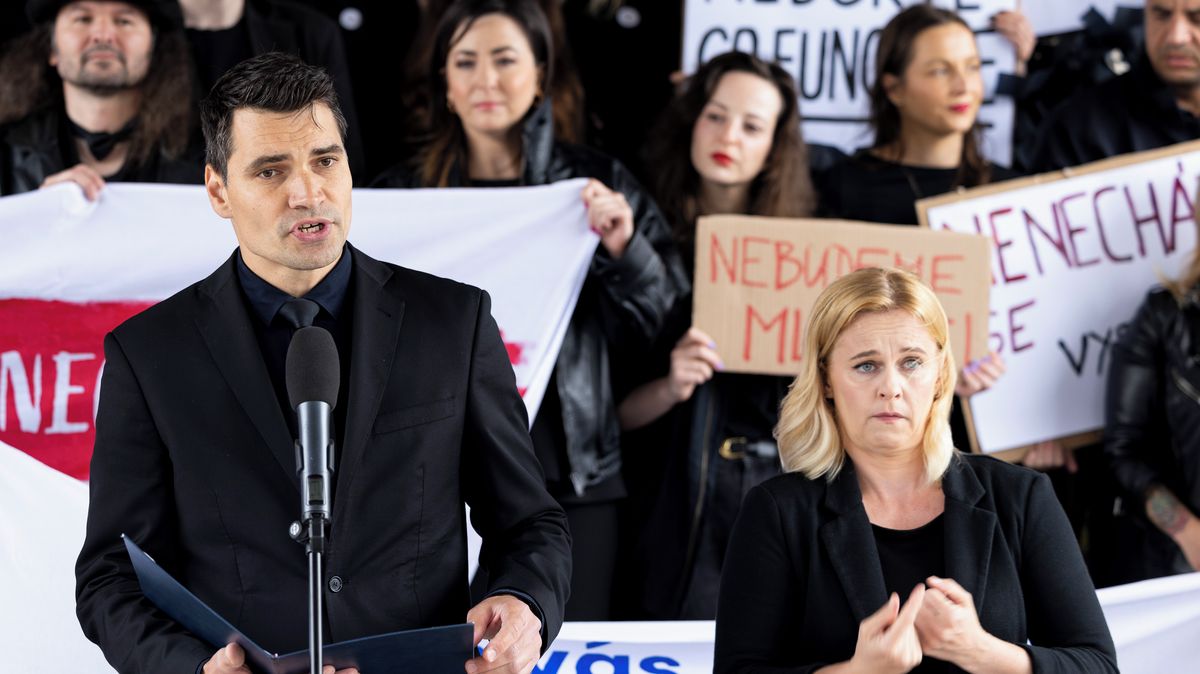
Employees of Czech Television (Česká televize, ČT) have announced plans for a one-hour warning strike scheduled for the end of June to protest potential changes to the public broadcaster’s funding model. The initiative, organized by a coalition of staff from ČT and Czech Radio (Česká rozhlas, ČRo) known as “Veřejnoprávně,” aims to draw attention to concerns regarding the independence of public media, specifically opposing proposals to replace current license fees with direct funding from the state budget, according to reports from Deník N.
The strike is expected to cause a brief, one-hour disruption to television and radio programming. Management at Czech Television has publicly stated that they do not intend to obstruct the protest, acknowledging the right of employees to express their professional concerns through collective action, as noted by Novinky.cz. The protest serves as a signal of internal opposition to legislative discussions that could alter the long-term financial structure of the public media institutions.
The Core Dispute Over Public Media Funding
At the center of the controversy is the debate over how public media should be financed. For years, the Czech Television budget has been primarily supported by mandatory monthly license fees paid by households. Proponents of this model argue that it creates a necessary buffer between the broadcaster and the government, ensuring editorial independence. Critics of the proposed shift to state budget funding argue that it could make the broadcaster vulnerable to political pressure, as the annual allocation of funds would require parliamentary approval.
According to updates from iDNES.cz, the “Veřejnoprávně” initiative emphasizes that the current system is the most reliable way to maintain journalistic neutrality. The staff’s primary fear is that if the government gains control over the budget, the broadcaster’s ability to hold political actors accountable could be compromised. This concern is rooted in the broader European context of public media, where funding models are frequently debated in relation to political autonomy.
Management Stance and Operational Impact
Despite the planned disruption, there is no indication of a wider labor dispute between the employees and the upper management of the institution. The leadership of Czech Television has signaled a level of cooperation that is relatively uncommon in industrial relations, confirming that they will respect the protest action. This suggests that the management and the staff are largely aligned in their desire to protect the current funding status quo, even as they navigate the complexities of public sector labor rights.
While the exact date in June remains subject to further internal coordination, the impact on viewers will be limited to a sixty-minute window of altered broadcasting. This tactic is designed to be highly visible while minimizing long-term disruption to the public service mission of the organization. As reported by Aktuálně.cz, the organizers intend for this action to serve as a warning to legislators that any attempt to dismantle the fee-based model will be met with organized resistance from the workforce.
Why the Funding Model Matters
Public broadcasters in the Czech Republic operate under the Act No. 483/1991 Coll., on Czech Television, which mandates that the institution must provide objective, balanced, and verified information. The funding mechanism is considered a constitutional safeguard in many European jurisdictions. By tying funding directly to the citizenry through fees rather than to the executive branch through taxes, the institution theoretically remains responsible only to the public it serves.

The legislative process regarding these potential changes remains ongoing. The “Veřejnoprávně” initiative continues to monitor parliamentary sessions and committee hearings, preparing for further advocacy should the legislative proposals advance. Readers interested in following the development of this policy can monitor the official Chamber of Deputies of the Parliament of the Czech Republic website for upcoming sessions and draft law amendments.
The next major milestone in this dispute will be the announcement of the specific date and time of the strike. Following the warning action, it is expected that representatives from the initiative will seek further dialogue with lawmakers to express their concerns directly. We will continue to update this reporting as more information regarding the protest schedule becomes available. Please share your thoughts in the comments section below.
Worth a look