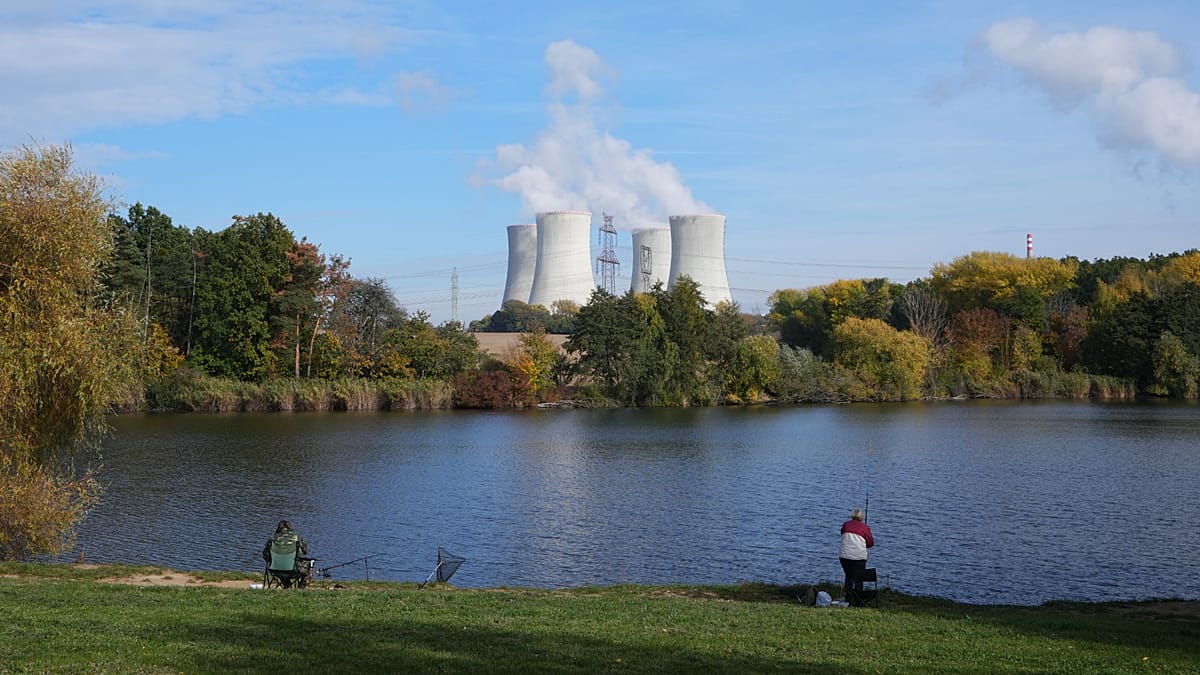
Europe Re-Embraces Nuclear Power: A Shift Driven by Energy Security and Climate Goals
Europe is experiencing a significant resurgence in nuclear energy investment, reversing decades of decline. Several nations are now prioritizing nuclear power as a crucial component of their energy mix, driven by concerns over energy security, the urgent need too decarbonize, and the phasing out of more polluting fossil fuels. This article examines the key drivers behind this shift, the projects underway, and the challenges that remain.
A Continent Rethinking its Nuclear Stance
For years, a trend toward phasing out nuclear power dominated European energy policy. However, recent geopolitical events and a heightened focus on climate change are forcing a reevaluation.
* Belgium and Sweden have abandoned plans to decommission their nuclear plants.
* Denmark and Italy are actively reconsidering the role of nuclear energy in their future energy strategies.
* Poland is leading the charge with plans to build Europe’s first small modular reactor (SMR) in Włocławek, partnering with US-based Westinghouse to construct three nuclear units. This will add Poland to the growing list of 12 nuclear-friendly EU nations.
Currently, nuclear energy accounts for 24% of the EU’s electricity generation (as of 2024). This figure is poised to increase substantially in the coming years.
Key Investments and Partnerships
the united kingdom is also making significant investments in nuclear power. A cooperation deal with the United States, heralded by Energy Secretary Ed Miliband as a “golden age of nuclear,” is underway.
* The UK is investing £14.2 billion (€16.1 billion) in the construction of Sizewell C,its first new nuclear power plant since 1995.
* CEZ, the Czech Republic’s dominant power company, is partnering with Rolls-Royce SMR to develop and deploy small modular reactors.
These SMRs represent a possibly game-changing technology, offering faster construction times and increased flexibility compared to conventional large-scale nuclear plants.
The Czech Republic’s Aspiring Plans
The Czech Republic is a prime example of a nation doubling down on nuclear energy. the Dukovany project, estimated to cost over €16 billion, will see the government acquire an 80% majority stake in a new plant.
To facilitate this massive undertaking, the government will secure a 30-year loan for CEZ, which will be repaid through a guaranteed stable income from electricity production for 40 years. This financial structure is crucial for securing EU approval, aligning with the bloc’s goal of becoming climate-neutral by 2050.
As Závodský points out, “we’re in a good position to argue that we won’t be able to do without new nuclear units.” The country currently derives 40% of its electricity from nuclear and another 40% from coal, making the replacement of coal a top priority. Czechia aims to phase out coal by 2033.
Addressing Past Challenges and Securing Supply Chains
Past attempts at nuclear expansion have been hampered by financing uncertainties. A 2014 tender to build two reactors at the Temelín plant was cancelled when the government refused to provide financial guarantees.
However, lessons have been learned.Furthermore, geopolitical considerations are reshaping supply chains.
* Russia’s Rosatom and China’s CNG were excluded from the Dukovany tender due to security concerns following the invasion of Ukraine.
* CEZ has secured deals with Westinghouse and France’s framatome for nuclear fuel, eliminating its dependence on Russia. A 10-year fuel supply contract with KHNP further strengthens supply chain security.
Navigating Opposition and Addressing Concerns
despite growing support, nuclear energy still faces opposition. Critics,like Friends of the Earth,argue that the costs are too high and resources would be better allocated to renewable energy sources.
A significant concern remains the lack of a permanent storage facility for spent nuclear fuel.
Geopolitical tensions also play a role.Austria, which abandoned nuclear energy after the Chernobyl disaster, remains staunchly opposed. Its lower house of Parliament has already rejected the Czech Republic’s SMR plan. The ancient dispute over the Temelín plant,which led to border closures in 2000,underscores the potential for cross-