Dabaa Nuclear Power Plant: Egypt’s Leap Towards Energy Independence and a Sustainable Future
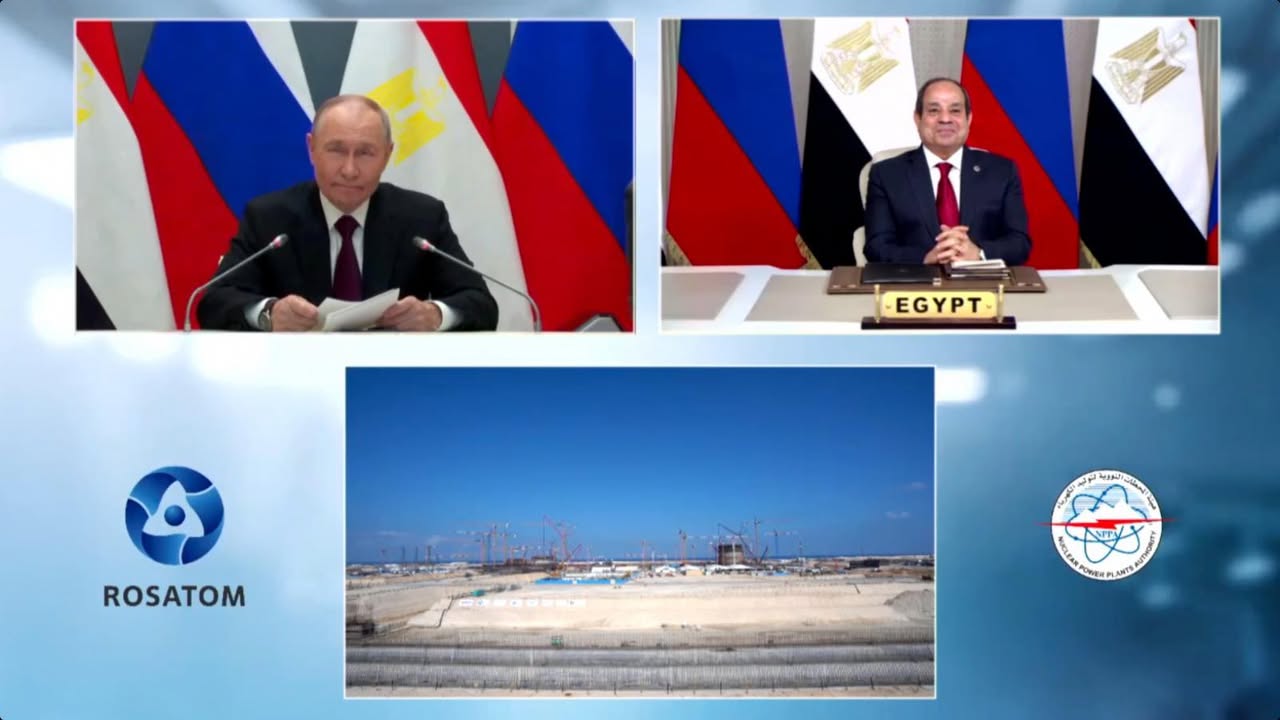
Egypt has marked a pivotal moment in its energy history with the triumphant installation of the reactor pressure vessel at the first unit of the Dabaa Nuclear Power Plant. This milestone, celebrated with a joint ceremony attended by egyptian President Abdel Fattah Al-Sisi and Russian President Vladimir Putin, signifies more than just a construction achievement; it represents a strategic shift towards energy security, sustainable development, and technological advancement for the nation.But what does this project really mean for egypt, its citizens, and the wider region? And what challenges and opportunities lie ahead?
A Decades-Long Dream Realized
For decades, Egypt has envisioned harnessing the power of nuclear energy to meet its growing electricity demands and reduce reliance on fossil fuels. The Dabaa plant, located on the Mediterranean coast, is the culmination of this ambition. This project isn’t simply about adding megawatts to the grid; it’s about building a future powered by clean, reliable, and domestically-controlled energy.
President Al-sisi emphasized that Dabaa is “practical proof” of the robust and multifaceted partnership between Egypt and Russia, extending beyond political ties into tangible development projects. This collaboration, spearheaded by Rosatom, Russia’s state atomic energy corporation, is delivering a state-of-the-art nuclear facility utilizing Generation III+ VVER-1200 reactor technology – a design renowned for its safety features and efficiency. https://www.rosatom.ru/en/
Why Nuclear? Egypt’s Energy Imperative
The decision to revive Egypt’s nuclear program is rooted in several critical factors. Global energy instability, coupled with escalating fossil fuel prices, has underscored the vulnerability of relying on imported energy sources. Nuclear power offers a stable,predictable,and cost-effective choice,shielding Egypt from volatile market fluctuations.
Furthermore, the dabaa plant directly supports Egypt’s Vision 2030, a national agenda focused on sustainable development. nuclear energy aligns with this vision by providing a low-carbon energy source, contributing to environmental protection and mitigating the impacts of climate change. https://www.sdgfund.org/egypt-vision-2030
Beyond Electricity: The Ripple effects of Dabaa
The benefits of the Dabaa Nuclear Power Plant extend far beyond electricity generation. The project is poised to:
* Boost Local Expertise: The construction and operation of the plant will necessitate the development of a highly skilled workforce, fostering expertise in nuclear engineering, physics, and related fields. Extensive training programs, supported by Rosatom, are already underway for Egyptian personnel.
* Create Thousands of Jobs: From construction workers to plant operators and maintenance staff, the Dabaa project will generate important employment opportunities, stimulating economic growth.
* Drive Industrial Development: The nuclear industry requires a robust supply chain, creating opportunities for local businesses to participate in manufacturing, construction, and service provision.
* Advance Technological Capabilities: The project will position Egypt as a leader in the peaceful submission of nuclear technology, opening doors to advancements in fields like medicine (radioisotope production for cancer treatment), agriculture, and materials science.
* Expand International cooperation: The extensive cooperation agreement signed alongside the reactor vessel installation expands collaboration with Rosatom into areas like 3D printing for nuclear industries and advanced interaction technologies.
A Commitment to Safety and International Standards
Both President Al-Sisi and President Putin emphasized the unwavering commitment to adhering to the highest international safety standards throughout the project’s lifecycle. The International Atomic Energy Agency (IAEA) is actively involved in reviewing and assessing the plant’s safety features, ensuring compliance with global best practices. https://www.iaea.org/ The VVER-1200 reactor design incorporates passive safety systems, minimizing the risk of accidents and enhancing operational reliability.
Recent Developments: Fuel Procurement and Expanded Cooperation
The momentum surrounding the Dabaa project continues to build. On the same day as the reactor vessel installation, Egypt finalized an order for nuclear fuel for the first reactor core, marking a crucial step towards operational readiness. The expanded cooperation agreement with Rosatom signals a deepening strategic partnership, paving the way for collaboration in diverse sectors beyond the nuclear industry.
Evergreen Insights: The Future of Nuclear Energy in Africa
Egypt’s Dabaa project is not an isolated event. It represents a growing trend towards nuclear energy adoption across Africa. Several other nations are exploring or actively pursuing nuclear power programs to address their energy needs and promote sustainable development. this trend is driven by factors such as increasing energy demand, the need for energy independence, and the desire to reduce carbon emissions. However, challenges remain,