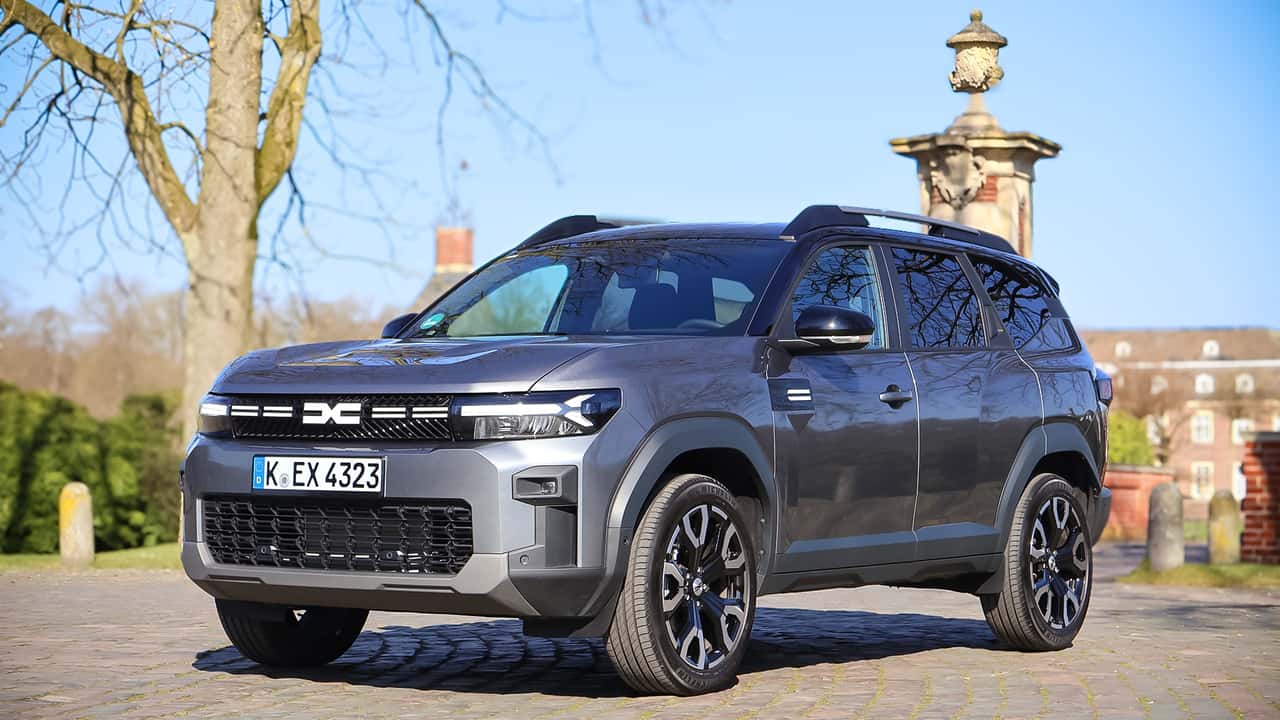
The Dacia Bigster Hybrid 155 represents a significant shift for the brand, moving beyond its traditional “budget-first” identity into a more refined, sophisticated segment of the automotive market. As the automotive industry navigates the complexities of electrification and consumer demand for larger vehicle footprints, Dacia’s latest offering—the Bigster—seeks to bridge the gap between affordability and the premium styling often associated with higher-end SUVs. This transition reflects a broader strategic pivot within the Renault Group, which owns the Dacia brand, as it aims to capture a wider demographic of European drivers looking for efficiency without sacrificing utility.
For those following the evolution of the C-segment SUV market, the introduction of the Hybrid 155 powertrain is particularly noteworthy. By leveraging hybrid technology, the company is positioning the Bigster to meet increasingly stringent European Union emissions standards while offering a driving experience that feels markedly different from the utilitarian models of the past. The vehicle marks a departure from the stripped-back philosophy that defined the early years of the Dacia brand, suggesting that the manufacturer is successfully balancing its core value proposition with modern technological requirements.
Strategic Evolution: The Bigster’s Position in the Market
The Dacia Bigster is not merely a larger iteration of the Duster. We see a calculated effort to reposition the brand. While the brand has historically relied on the simplicity of its engineering to maintain low price points, the Bigster introduces a design language that emphasizes robustness and presence. According to corporate documentation provided by the Renault Group, the brand has focused on optimizing the “value-for-money” ratio, a metric that remains central to their market strategy despite the increase in vehicle size and complexity.
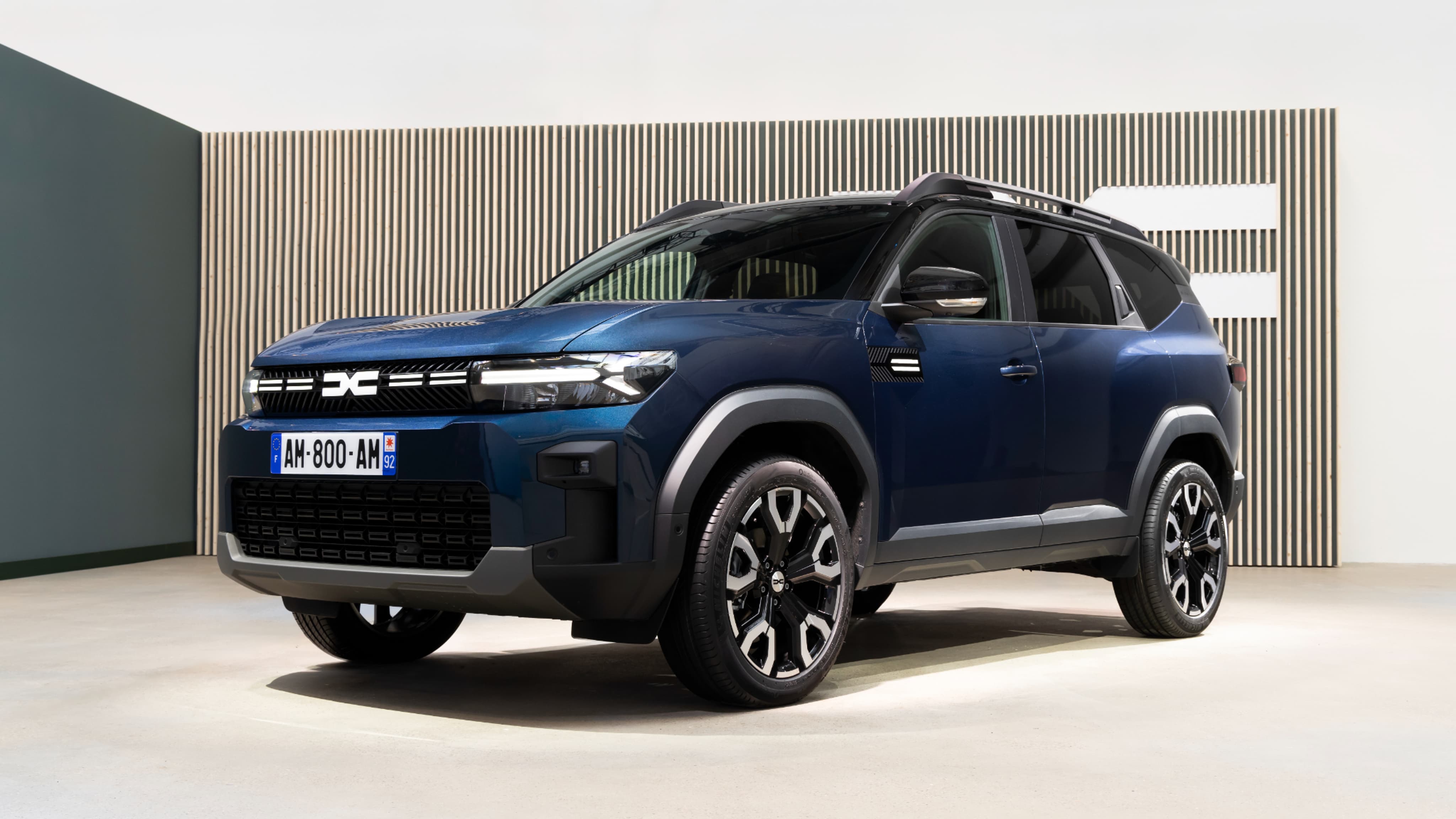
The transition to the Hybrid 155 powertrain—a system that integrates electric motors with an internal combustion engine—is designed to provide a balance of power and fuel economy. For the consumer, this translates to a vehicle that is capable of handling longer journeys while mitigating the impact of urban fuel consumption. As noted in recent industry analysis, the integration of such powertrains is critical for compliance with the European Union’s CO2 emission performance standards, which continue to tighten for manufacturers selling within the European Economic Area.
Engineering and Driving Dynamics
The “Hybrid 155” designation refers to the total output of the powertrain, which has been tuned to provide a more responsive experience compared to previous iterations of Dacia’s electrified engines. Critics and test drivers have pointed toward a noticeable improvement in the refinement of the transition between electric and combustion power. This “fineness” or smoother operation is a key selling point for a brand that has traditionally been criticized for the coarse nature of its entry-level engines.
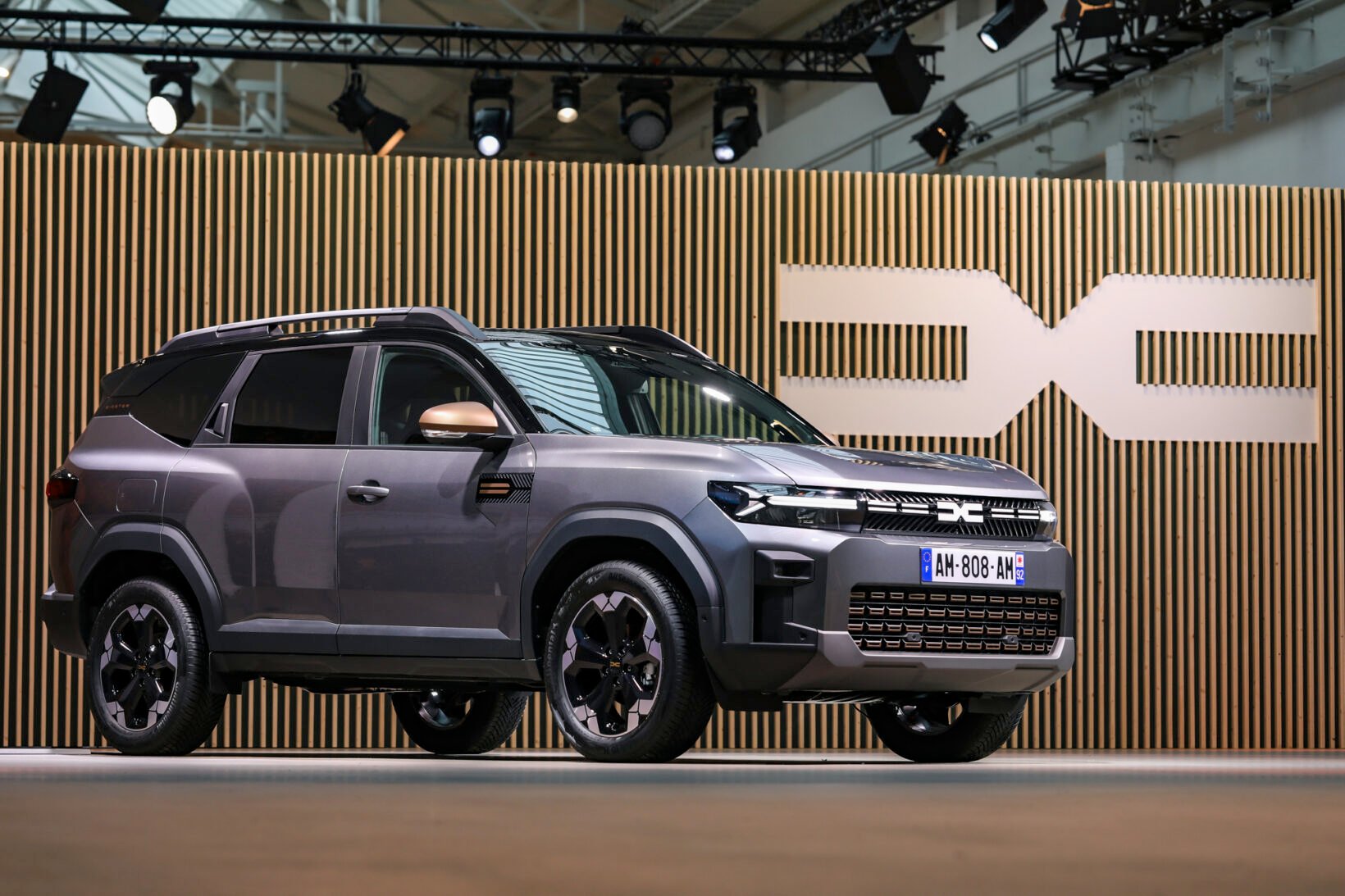
The vehicle’s platform is built on the CMF-B architecture, which is widely used across the Renault-Nissan-Mitsubishi Alliance. This modularity allows the company to share components across different brands, thereby reducing manufacturing costs while allowing for higher levels of technological integration. By utilizing this shared architecture, Dacia is able to incorporate advanced driver-assistance systems (ADAS) and connectivity features that are now expected by consumers in the C-SUV segment, without inflating the price to levels seen in premium German or Japanese competitors.
What the Bigster Means for the Consumer
For the average buyer, the Bigster represents a pragmatic choice. It offers the increased interior space and cargo capacity of a larger SUV, combined with the lower operational costs associated with hybrid technology. In an economic environment where inflation has impacted new vehicle pricing across the board, Dacia’s ability to offer a feature-rich, hybrid-powered vehicle at a competitive price point is a compelling narrative for the European Automobile Manufacturers’ Association (ACEA), which tracks trends in regional mobility and fleet electrification.
Key considerations for prospective buyers include:
- Powertrain Efficiency: The Hybrid 155 system is specifically calibrated for a mix of city and motorway driving, aiming to reduce overall fuel consumption.
- Space and Utility: The Bigster’s dimensions place it firmly in the C-segment, offering more legroom and boot space than the Duster, making it suitable for families.
- Technology Stack: The interior features modern infotainment systems and digital displays that mark a significant upgrade over older Dacia models.
Future Outlook and Industry Impact
The success of the Bigster will likely serve as a litmus test for the Dacia brand’s ability to move upmarket. If the model gains traction, it could pave the way for further expansion into segments that were previously deemed too competitive for the brand. Analysts will be watching the sales figures closely, particularly in key markets such as France, Germany, and Spain, to see if the “value-for-money” argument holds up when the vehicle is compared directly against more established, albeit more expensive, rivals.
As the industry moves toward the 2035 deadline for the phase-out of new combustion engine vehicle sales in the EU, models like the Bigster Hybrid 155 will likely become the standard for mass-market manufacturers. Dacia has positioned itself to be a bridge for consumers who are not yet ready to transition to fully electric vehicles but are seeking to reduce their environmental footprint through hybrid technology.
The next official update regarding production milestones and regional availability is expected in the coming months as Dacia continues to ramp up assembly at its manufacturing facilities. We encourage our readers to share their thoughts on the evolution of Dacia’s design and whether they believe the Bigster marks a successful transition for the brand. Stay tuned for further analysis as more performance data becomes available.
Related reading