
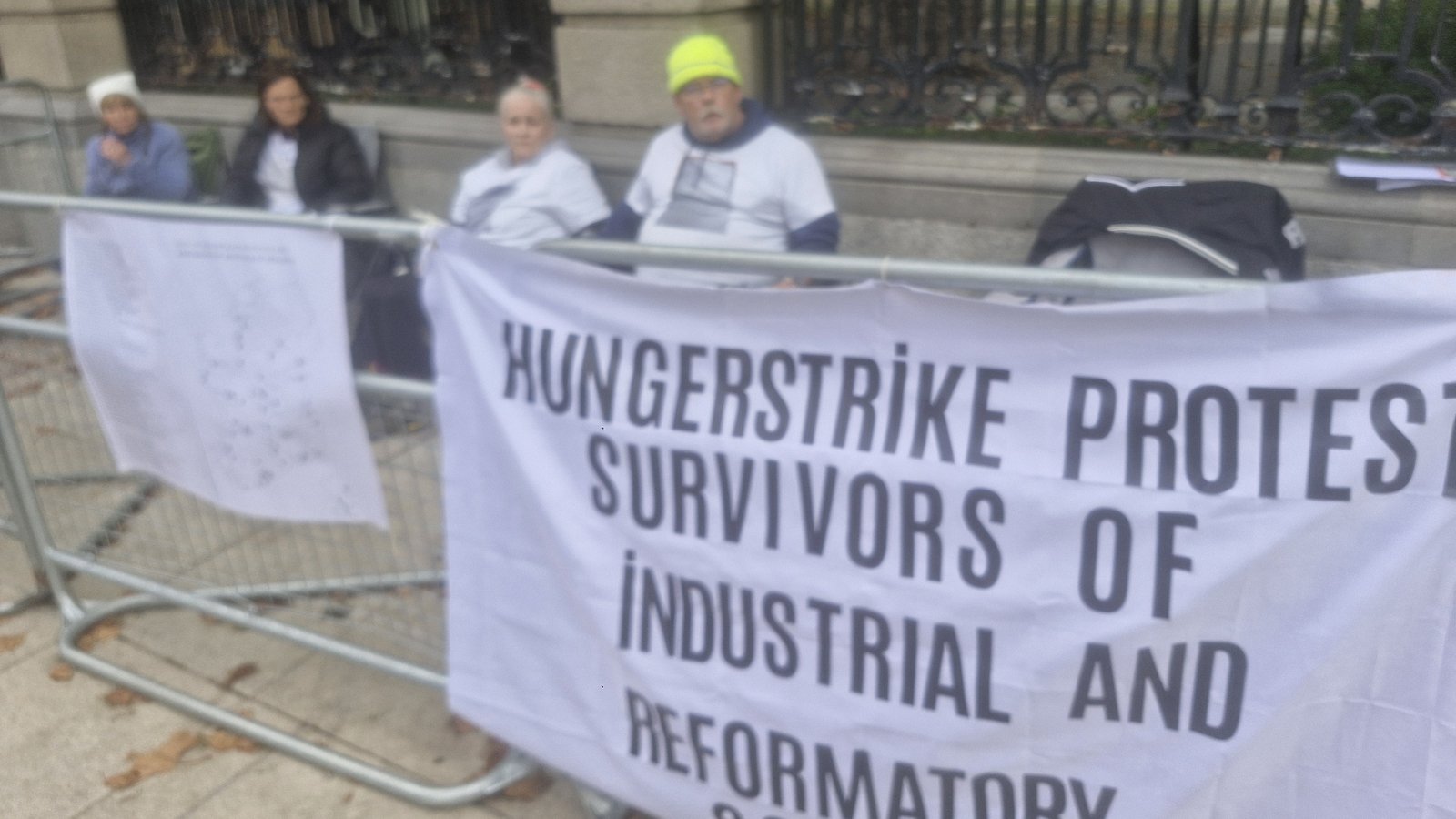
Residential Abuse Survivors Continue Hunger Strike Outside Dáil Éireann, Demanding State Recognition and Support
Dublin, Ireland – october 3, 2024 – A hunger strike initiated by survivors of institutional abuse in Ireland has entered its twelfth day, escalating pressure on the government to address long-standing demands for thorough support. Four survivors are currently protesting outside Leinster House, the seat of the Irish Parliament, seeking tangible recognition of the trauma they endured in industrial and reformatory schools and the lasting impact on their lives.The situation has reached a critical point, with the family of one protester expressing “grave concern” for her deteriorating physical and mental health.
The Core Demands: HAA Cards and State Contributory Pensions
The protesters are calling for two key forms of support: the awarding of a Health Amendment Act (HAA) card and access to a State contributory pension. these requests aren’t framed as entitlements, but as necessary provisions for individuals whose childhoods were irrevocably damaged by systemic abuse and neglect. The HAA card would provide crucial access to healthcare services, while a State pension would acknowledge the denial of education, freedom, and basic dignity experienced during their institutionalization.
“This isn’t about luxury; it’s about a lifeline,” stated a letter from the family of one protester to Minister for Education Helen McEntee. “A full pension would represent acknowledgement of the profound loss these survivors have suffered - the loss of a normal childhood, the loss of prospect, and the enduring consequences of trauma.”
The family’s correspondence, obtained by RTÉ News, highlights their frustration with the perceived slow response from the department of Education, stating that an eight-day delay in securing a meeting with their mother “aggravated what is now a high-risk emergency.” They emphasize the State’s unique responsibility to rectify the wrongs inflicted upon these individuals during their formative years.
A History of Institutional Abuse in Ireland
The current protest stems from a dark chapter in Irish history. For decades, children deemed “difficult,” orphaned, or born to unmarried mothers were placed in institutions run by religious orders and, in some cases, the State. These institutions – industrial schools, reformatory schools, and Magdalene Laundries – were often characterized by harsh conditions, physical and emotional abuse, neglect, and a lack of adequate care.
The Ryan Report (2009), a comprehensive inquiry into abuse in these institutions, detailed widespread and systematic abuse, confirming the horrific experiences of thousands of survivors. While the report led to apologies and a redress scheme, many survivors argue that the response has been insufficient and that the ongoing trauma continues to be inadequately addressed.
government Response and Ongoing Negotiations
A spokesperson for the Department of Education acknowledged the “enormous trauma” experienced by survivors and highlighted existing support mechanisms, including the redress scheme and funding provided through Caranua, an organization dedicated to providing services to survivors.The Minister for Education, Helen McEntee, has also met directly with the protesters to hear their concerns firsthand.
The Department also pointed to a commitment made by the previous government in 2023 to introduce new health and education supports, mirroring those provided to survivors of the Magdalene Laundry and Mother and Baby Institutions scandals. This package includes medical card access and health support payments for survivors residing outside of Ireland.
Though, these measures have not satisfied the protesters. During Leaders’ Questions in the Dáil,Minister for Justice Jim O’Callaghan stated there were no plans to meet the specific demands for HAA cards and State contributory pensions,urging the protesters to end their hunger strike and engage with officials.
Maurice Patton O’Connell, a spokesperson for the protesters, confirmed their willingness to engage in dialog but emphasized their unwavering commitment to the cause. “This has been going on too long, 26 years.we’re not stopping now. We’ve come too far now,” he stated.
The Stakes are High: A Race Against Time
The ongoing hunger strike represents a desperate plea for recognition and justice. As the protest enters its third week, concerns for the health and well-being of the participants are mounting. The family of the affected survivor underscores the urgency of the situation, emphasizing that their mother is risking her life as she feels “unheard and abandoned” by the State.
This situation demands a swift and compassionate response from the government. While existing support mechanisms are a step in the right direction, they may not adequately address the complex and long-lasting needs of survivors. A failure to engage meaningfully with the protesters risks further exacerbating their trauma and undermining public trust.
Evergreen Insights: Understanding the long-Term Impact of Institutional Abuse
The trauma of institutional abuse extends far beyond the immediate experiences of physical and emotional harm

![Zapier Alternative: [Tool Name] – Free Automation for [Target Audience]](https://i0.wp.com/static0.xdaimages.com/wordpress/wp-content/uploads/wm/2025/09/reasons-to-use-activepieces.jpg?resize=150%2C150&ssl=1 "Zapier Alternative: [Tool Name] – Free Automation for [Target Audience]")




![Coach Outlet Sale: Bags & Jewelry Under $100 | [Month, Year]](https://i0.wp.com/akns-images.eonline.com/eol_images/Entire_Site/20251229/edf8813d-8e36-410a-b31c-82d62b15e065_1767030026.jpg?resize=150%2C100&ssl=1 "Coach Outlet Sale: Bags & Jewelry Under $100 | [Month, Year]")

