
For millions of people globally, the start of the week is often preceded by a ritualistic glance at the stars. Whether it is a quick check of a mobile app or a dedicated section in a Sunday publication, the daily horoscope remains a pervasive cultural touchstone. From optimistic predictions of luck to cautionary warnings for specific signs—such as the frequent alerts for Scorpios to exercise caution—these celestial forecasts offer more than just entertainment; they provide a psychological framework for navigating an unpredictable world.
As a financial journalist and economist, I have long observed how the pursuit of certainty often mirrors market trends. When economic volatility rises or geopolitical tensions mount, there is a measurable uptick in the consumption of “spiritual guidance” and predictive services. This phenomenon has transformed the ancient practice of astrology into a multi-billion-dollar global industry, blending ancient symbolism with modern data analytics and subscription-based business models.
The enduring appeal of the daily horoscope is not merely a matter of faith, but a fascinating intersection of cognitive psychology and consumer behavior. By examining the mechanisms that make these predictions feel personal and the economic structures supporting them, we can better understand why a simple Sunday forecast continues to capture the global imagination in an era of hyper-rationality.
The Psychology of Precision: Understanding the Barnum Effect
To understand why a reader feels a sudden jolt of recognition when a horoscope warns them to “be careful with finances” or suggests that “luck is on their side,” one must look toward the Barnum Effect (also known as the Forer Effect). This psychological phenomenon occurs when individuals believe that generic personality descriptions apply specifically to them, despite the fact that the descriptions are vague enough to apply to almost anyone.

In the context of daily horoscopes, the use of “high-valence” language—words that evoke strong emotions like “luck,” “danger,” or “transformation”—creates a perceived personal connection. When a forecast warns a specific sign, such as Scorpio, to be cautious, the reader often engages in selective memory, recalling a recent minor conflict as “proof” that the horoscope was accurate. This cognitive bias reinforces the perceived value of the service, ensuring the reader returns the following day.
Research into belief systems suggests that this need for validation is often heightened during periods of transition or stress. According to data from the Pew Research Center, a significant portion of the population continues to engage with astrology not necessarily as a scientific truth, but as a tool for reflection and emotional regulation.
The Rise of ‘Mystic Tech’ and the Digital Astrology Market
The transition of astrology from the newspaper “funny pages” to the smartphone has fundamentally altered the economics of the industry. We are currently witnessing the rise of “Mystic Tech,” where traditional astrology is integrated with Artificial Intelligence (AI) and Big Data to create highly personalized, real-time experiences.
Modern astrology apps no longer rely on a single generic forecast for all Aries or Leos. Instead, they utilize the user’s exact birth time, date, and location to generate “natal charts,” providing a level of perceived precision that traditional print horoscopes could never achieve. This shift from broad broadcasting to narrowcasting has allowed companies to implement aggressive monetization strategies, including:
- Freemium Models: Offering basic daily forecasts for free while gating “deep-dive” compatibility reports or transit warnings behind a paywall.
- Subscription Services: Monthly fees for “premium” celestial guidance and personalized alerts.
- Micro-transactions: Charging for one-off professional readings or specific questions answered by human astrologers via chat.
This digitization has expanded the target demographic significantly. While astrology was once viewed as a niche interest, it has seen a massive resurgence among Gen Z and Millennials, who view spiritual wellness as an extension of mental health and self-care. This demographic shift has turned astrology into a lifestyle brand, influencing everything from fashion to interior design.
Economic Instability and the Demand for Predictive Guidance
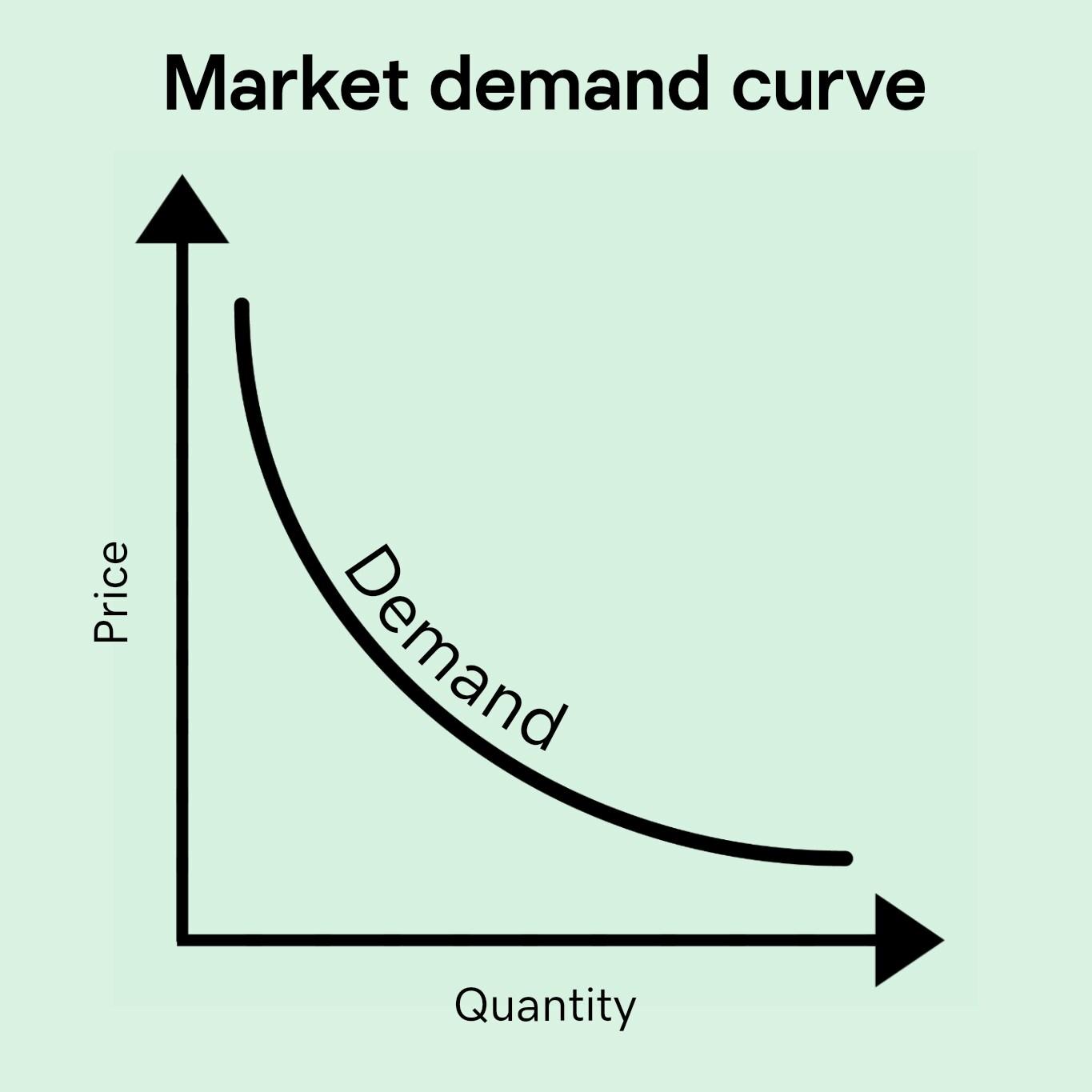
From an economic perspective, the growth of the astrology market is often inversely correlated with perceived stability. In my experience covering global markets, I have noted that during periods of high inflation, job market volatility, or systemic crises, consumers frequently seek “alternative” forms of predictability.
When traditional institutions—such as banks, governments, or corporate structures—fail to provide a clear roadmap for the future, the human psyche seeks patterns elsewhere. Astrology provides a sense of order in a chaotic environment. By attributing a hard day to a “Mercury retrograde” or a sudden windfall to a “Jupiter alignment,” individuals can externalize stress and regain a sense of agency over their lives.
This “predictability premium” is what drives the commercial success of daily horoscopes. The product being sold is not actually the prediction itself, but the feeling of certainty. In a global economy characterized by “black swan” events and rapid disruption, the psychological comfort of a structured celestial calendar is a highly marketable commodity.
Astrology in Corporate Marketing and Consumer Behavior
The influence of the zodiac has extended beyond personal belief and into the realm of corporate strategy. Many global brands now leverage astrology to drive engagement and personalize marketing campaigns. This “Zodiac Marketing” taps into the consumer’s desire for identity and belonging.
Brands use astrological themes to create limited-edition products or curated “kits” tailored to specific signs. By aligning a product with the perceived traits of a sign—such as the ambition of a Capricorn or the creativity of a Pisces—companies can increase the emotional resonance of their advertising. This strategy transforms a generic purchase into an act of self-expression, increasing brand loyalty and customer acquisition rates among younger, spiritually-inclined consumers.
the integration of astrology into dating apps and social media platforms has created new data streams. By allowing users to filter potential partners by zodiac sign, platforms gather granular data on user preferences and behavioral patterns, which can then be used to refine algorithmic matching and targeted advertising.
Key Takeaways: The Intersection of Faith and Finance
- Psychological Drivers: The Barnum Effect allows generic horoscopes to feel deeply personal, fostering user loyalty through cognitive bias.
- Technological Evolution: The shift to “Mystic Tech” has replaced broad predictions with AI-driven, personalized natal charts, enabling scalable subscription models.
- Economic Correlation: Demand for predictive spiritual services typically increases during periods of systemic economic or social instability.
- Market Expansion: Astrology has evolved from a curiosity into a lifestyle vertical, heavily integrated into Gen Z consumer behavior and corporate marketing.
While the scientific community continues to categorize astrology as a pseudoscience, its economic and psychological impact is undeniably real. The daily horoscope serves as a mirror, reflecting our collective anxieties, hopes, and the eternal human desire to find meaning in the movement of the stars.

As we move further into a decade defined by AI and rapid technological displacement, the “Astrology Economy” is likely to grow. The more complex our external world becomes, the more we will value the simple, comforting promise that the universe has a plan for our Sunday.
The next significant milestone for this sector will likely be the deeper integration of generative AI in personalized astrology, potentially leading to “virtual astrologers” capable of conducting complex, real-time consultations. We will continue to monitor how these technological advancements impact the spiritual wellness market.
Do you find that your daily habits are influenced by your zodiac sign, or do you view horoscopes strictly as entertainment? Share your thoughts in the comments below.
Worth a look