
The daily lives of academics living during the Japanese colonial period in Korea offer a unique, if often overlooked, lens into the social and cultural history of the early 20th century. Recent scholarly efforts to analyze the diaries and personal records of professors at Keijo Imperial University—the predecessor to Seoul National University—have shed new light on the intersection of colonial administration, academic inquiry, and the mundane realities of life in Gyeongseong, the historical name for Seoul.
By examining these primary source documents, historians are reconstructing a more nuanced picture of how Japanese intellectuals perceived, navigated, and documented their surroundings in a rapidly changing society. These accounts often transcend the standard political narratives, providing intimate details about the urban development of Gyeongseong, the evolution of academic life, and the complex cross-cultural interactions that defined the era between 1924, and 1945. Keijo Imperial University, established in 1924, served as the primary institution for higher education under the Japanese Governor-General of Korea, acting as a site where colonial policy and intellectual discourse were inextricably linked.
The Academic Lens: Interpreting Daily Life in Gyeongseong
The study of personal diaries from the colonial period serves as a vital methodology for historians seeking to understand the “lived experience” of the past. Unlike official government reports, which were often curated to reflect state objectives, personal journals capture the subjective observations of individuals navigating a foreign—or in the case of colonial officials, a subjugated—environment. These documents often include details regarding the transformation of Gyeongseong into a modern colonial capital, including the construction of administrative buildings, the expansion of streetcar lines, and the emergence of new cultural spaces such as cafes and cinemas.
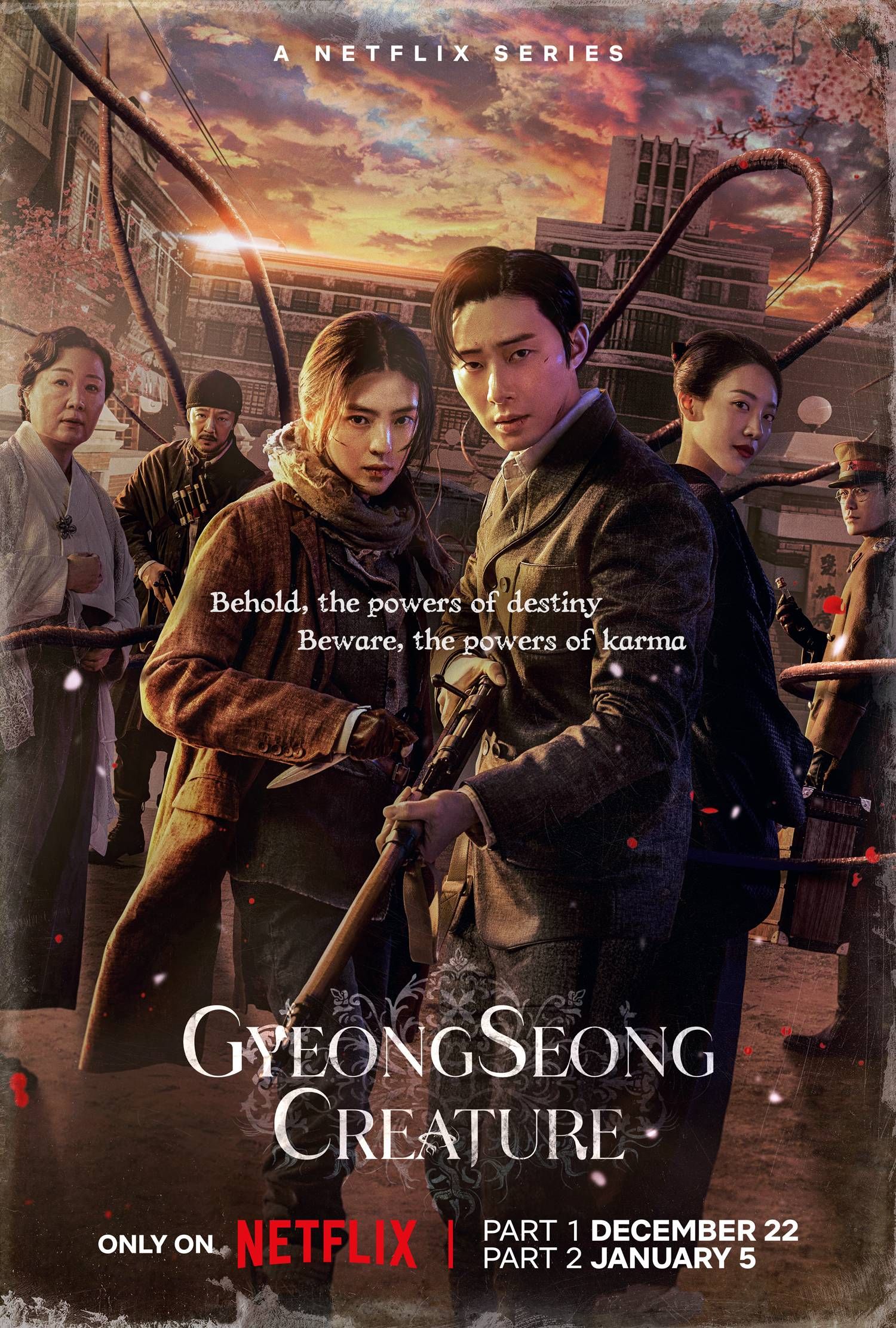
For many Japanese academics, Gyeongseong was both a site of professional advancement and a space of profound cultural dissonance. Their writings reflect a fascination with the local customs, language, and social structures, while simultaneously revealing the inherent biases and colonial frameworks through which they viewed the Korean peninsula. The Asiatic Research Institute at Korea University has been at the forefront of facilitating these critical discussions, hosting forums that invite experts to dissect these historical records with a focus on archival integrity and objective analysis.
Reconstructing the Social Fabric
What makes these diaries particularly valuable is their record of the ordinary. They document the minutiae of life: the food consumed, the weather patterns, the social gatherings among colleagues, and the logistical challenges of living in a city undergoing radical modernization. These accounts help researchers understand the “colonial modernity” that characterized the 1930s and 1940s, a period marked by both technological progress and institutionalized discrimination.
By comparing these personal records with official university archives, scholars can identify discrepancies between the intended colonial narrative and the reality experienced by those on the ground. This comparative approach is essential for a balanced historiography, ensuring that the voices of the past are not simplified into binary categories of oppressor and oppressed, but are instead treated as complex historical actors whose lives were shaped by the turbulent geopolitical climate of their time.
Geopolitical Context and Academic Responsibility
The study of Keijo Imperial University is not merely an exercise in archival research; it is inherently tied to the broader discourse on post-colonial identity and historical reconciliation. As we look at the legacy of these institutions, it becomes clear that the intellectual output of that era played a significant role in justifying colonial expansion and shaping the ideological foundations of the Japanese administration in Korea. Understanding the personal motivations and daily lives of these professors helps to contextualize the institutional failures and successes that occurred within the university’s walls.
International observers and historians emphasize that the objective analysis of such sensitive historical periods requires a commitment to multi-perspective reporting. The International Federation of Journalists and various academic bodies advocate for the preservation of these archives, as they provide the raw data necessary for future generations to grapple with the complexities of regional history. The importance of these records extends beyond Korea and Japan, offering lessons on the long-term impact of colonial governance and the role of academia in shaping national narratives.
Key Takeaways for Contemporary Research
- Archival Value: Personal diaries serve as essential, subjective counterpoints to state-sanctioned historical records, offering insight into the daily lives of colonial-era academics.
- Colonial Modernity: The records document the rapid urban and cultural transformation of Gyeongseong, providing data on the infrastructure and social habits of the time.
- Institutional History: Keijo Imperial University remains a focal point for understanding how academic institutions functioned as instruments of colonial policy.
- Methodological Rigor: Experts emphasize the need for a comparative approach, utilizing both personal journals and institutional archives to ensure historical accuracy.
- Future Discourse: Continued research into these documents is vital for ongoing efforts in historical reconciliation and the broader understanding of 20th-century East Asian history.
As academic institutions continue to digitize and share these historical findings, the global community gains a clearer window into the past. Future scholarly updates are expected to emerge from ongoing projects at various research institutes, focusing on the broader implications of these personal narratives on contemporary East Asian relations. We encourage our readers to engage with these findings and consider the profound ways in which individual perspectives shape our collective understanding of history. Please share your thoughts in the comments section below, and stay tuned for further reporting as more primary sources are brought to light by researchers in the field.

Keep reading
- Trump Calls Off Iran Strike: US Negotiates New Middle East Framework Amid Rising Tensions
- LA Galaxy vs FC Dallas: Matchday 19 Lineups – MLS
- Daily Horoscope: Key Predictions and Astrological Insights for August 2 (world-today-news.com)
- University of Iowa International Writing Program Secures Funding After Losing Federal Support (news-usa.today)