As the political landscape in the United States undergoes a significant transition, a new legislative front has emerged in several Democratic-led states. Lawmakers in California and New York are exploring proposals aimed at imposing a 100% tax on specific federal payouts—often colloquially referred to as the “anti-weaponization” fund. While the rhetoric surrounding these initiatives is charged, the practical, legal, and constitutional hurdles facing such a tax policy are substantial, creating a complex intersection of state power and federal authority.
The core of the issue involves the potential distribution of federal funds linked to the Department of Justice’s (DOJ) operations and the subsequent reactions from state leaders, including California Governor Gavin Newsom. The proposal to levy a 100% tax on these specific payouts is designed to effectively claw back the funds, signaling a direct challenge to the allocation of federal resources in states that have consistently opposed the current administration’s judicial and oversight strategies. However, as constitutional scholars note, the path to implementing such a targeted tax is fraught with legal peril, particularly regarding the Supremacy Clause of the U.S. Constitution, which generally prohibits states from interfering with federal operations or discriminating against federal recipients.
For those tracking these developments, understanding the nuances of the 100% tax on federal payouts requires a look at both the legislative intent and the established limitations on state taxing authority. As we monitor this evolving story, these proposals are as much about political signaling as they are about fiscal policy, setting the stage for a protracted legal battle that could reach the federal courts.
The Constitutional and Legal Hurdles
At the heart of the debate is whether a state can constitutionally target a specific category of federal disbursement for a total tax levy. Under the doctrine of intergovernmental tax immunity, states are generally barred from imposing taxes that discriminate against the federal government or those with whom it deals. A tax designed specifically to target recipients of a particular federal program—in this case, the Department of Justice‘s discretionary or settlement-related funds—would likely face immediate challenges in federal court.
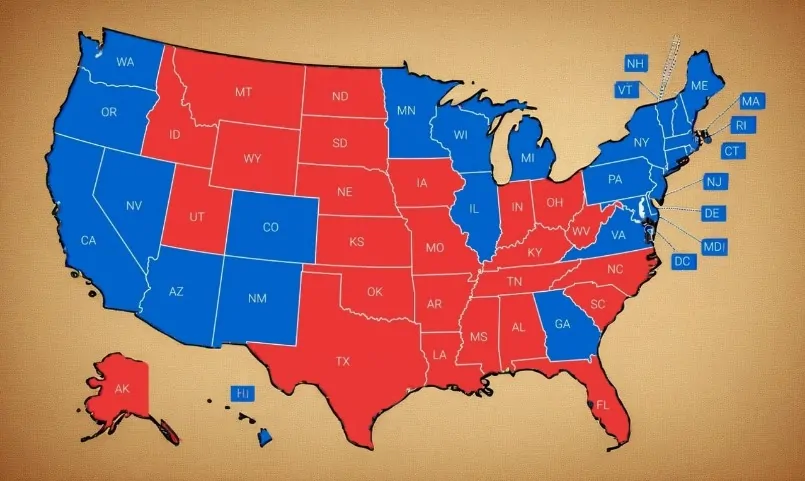
Legal analysts point to the principle that states cannot frustrate the purpose of federal law. If Congress authorizes a specific payment for a specific purpose, a state legislature enacting a punitive tax effectively nullifies that federal intent. This creates a clear conflict between state law and federal supremacy, a dynamic that has historically been resolved in favor of the federal government under the authority of the Supremacy Clause. Such legislation would need to survive rigorous scrutiny under the Due Process and Equal Protection Clauses, as it targets a narrow class of individuals or entities based on their receipt of federal funds.
In California, the legislative discussion has been framed by Governor Newsom as a method of fiscal accountability, though critics argue it represents an overreach into federal jurisdiction. Similarly, in New York, lawmakers have introduced language that seeks to mirror this approach, aiming to neutralize the impact of these federal payouts within their borders. However, the legislative process in both states is only in its nascent stages, and the hurdles to passage—let alone enforcement—remain significant.
Understanding the “Anti-Weaponization” Narrative
The term “anti-weaponization” has become a central pillar in the rhetoric surrounding these funds. It refers to a broader political argument concerning the perceived use of the Department of Justice and other federal agencies to target political opponents. Proponents of the state-level tax argue that if federal funds are being used to support what they categorize as the weaponization of the legal system, then the state has a responsibility to intervene.
This perspective, however, is countered by those who emphasize the independence of federal law enforcement and the judiciary. The Department of Justice operates under strict guidelines regarding the use of its budget and the resolution of legal settlements. For many observers, the push for a 100% tax is a tactical maneuver intended to gain political capital rather than a viable fiscal policy. The reality is that these funds are often tied to complex legal settlements or specific administrative programs governed by federal statutes, which are not easily circumvented by state-level tax codes.
Key Takeaways: The Path Ahead
- Legislative Status: Proposals in both California and New York remain in the preliminary legislative stages. No such tax has been signed into law or implemented as of early 2025.
- Legal Precedent: Any attempt to tax specific federal disbursements would likely be challenged under the Supremacy Clause, which prohibits states from impeding federal functions.
- Fiscal Impact: The total dollar amounts involved in these potential payouts are significant, but the ability of a state to successfully “claw back” these funds through a 100% tax is considered legally dubious by most constitutional experts.
- Federal vs. State Power: This debate underscores a growing tension between state legislatures and federal agencies, highlighting the limits of state authority in the face of federal administrative action.
As this situation develops, the next confirmed checkpoint will be the formal introduction of these bills in the respective state legislative sessions, where they will face committee hearings and potential constitutional reviews by state attorneys general. The outcome of these hearings will provide a clearer picture of whether these proposals are intended to be serious legislative efforts or purely symbolic gestures of political opposition.

The intersection of state fiscal policy and federal oversight is often where the most significant constitutional questions are tested. As the editor of the news section here at World Today Journal, I will continue to track these filings and any subsequent legal challenges as they emerge. We invite our readers to share their perspectives on this issue in the comments below, provided that the discussion remains rooted in factual analysis and civil discourse.
Jonathan Reed is the News Editor at World Today Journal, specializing in international affairs and political analysis. With over 16 years of experience, he provides in-depth coverage of the most pressing global and domestic developments.
Worth a look
- Todd Blanche to Remain Acting Attorney General Amid Senate Confirmation Delay, Says Trump
- Sheikh Saud bin Saqr Offers Condolences on Passing of Ahmed Salem Faris Al Ali in Ras Al Khaimah
- China Gains Global Influence as Trump Administration Struggles With Containment (newsdirectory3.com)
- The Senate Blue Slip, Explained: The Custom Trump Wants Gone (daybreakwire.com)