
The U.S. Department of Justice has intensified its investigation into the handling of classified documents at Mar-a-Lago, a case that has sparked significant legal and political debate over the intersection of national security and executive privilege. Former President Donald Trump faces multiple federal charges related to the retention of national defense information and obstruction of justice, following the discovery of sensitive materials at his Florida residence and private golf club. This ongoing legal proceeding, overseen by Special Counsel Jack Smith, represents a landmark test of federal authority regarding the storage of government records by a former head of state.
The core of the federal indictment centers on the unauthorized possession of classified documents retrieved by the FBI during an August 2022 search of the Mar-a-Lago estate. According to the federal indictment filed in the Southern District of Florida, investigators recovered dozens of boxes containing materials marked with classification levels ranging from “Confidential” to “Top Secret/Sensitive Compartmented Information.” The legal challenge revolves around whether these actions violated the Espionage Act and whether the defendant willfully obstructed efforts by the National Archives and Records Administration to recover the records.
Legal Framework and the Charges
The legal proceedings against the former president are governed by the Presidential Records Act (PRA) and the Espionage Act of 1917. The Presidential Records Act mandates that all presidential records are the property of the United States government and must be transferred to the National Archives upon the conclusion of a president’s term. Prosecutors argue that the defendant failed to comply with these statutory requirements, allegedly concealing documents from his own legal team and federal investigators.
In June 2023, a federal grand jury returned an indictment charging the former president with 37 felony counts, which was later superseded to include additional charges of obstruction and the unlawful retention of defense information. The Special Counsel’s office maintains that the defendant’s actions posed a “grave risk” to national security by exposing intelligence sources and methods. Conversely, the defense team has argued that the former president exercised his authority to declassify the documents while in office and that the prosecution is politically motivated.
The Role of the Special Counsel
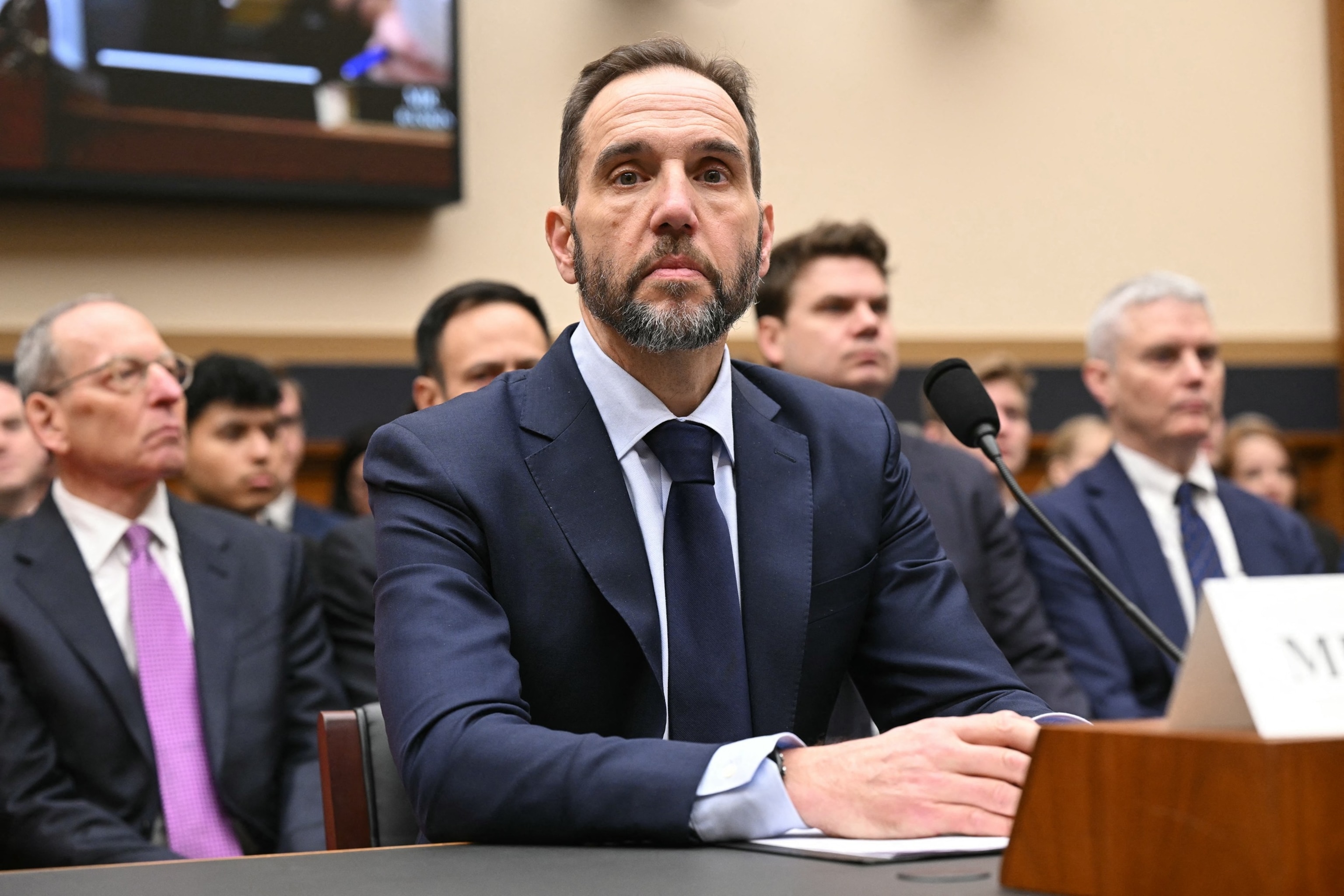
Special Counsel Jack Smith was appointed by Attorney General Merrick Garland in November 2022 to oversee two independent investigations involving Donald Trump: the handling of classified documents and efforts to interfere with the transfer of power following the 2020 election. The Department of Justice appointment order granted Smith broad authority to pursue potential criminal violations, citing the necessity of an independent prosecutor to maintain public confidence in the integrity of the investigation.

The investigation has been characterized by extensive litigation over the scope of executive privilege and attorney-client privilege. In 2023, federal judges ruled against the former president’s attempts to shield testimony from his lawyers, concluding that the crime-fraud exception allowed prosecutors to access information that might otherwise be protected. These rulings have provided the prosecution with significant evidence regarding the internal handling of the boxes moved within the Mar-a-Lago property.
Procedural Timeline and Judicial Oversight
The case, presided over by U.S. District Judge Aileen Cannon, has faced numerous delays regarding the handling of classified information under the Classified Information Procedures Act (CIPA). This statute establishes the rules for how sensitive government information is presented in court, ensuring that the defense has access to evidence while protecting national security interests. Judge Cannon has held multiple hearings to determine the schedule for pre-trial motions and the ultimate trial date.
The defense has frequently requested delays, citing the volume of discovery materials and the need to review thousands of pages of documents. In contrast, the prosecution has urged the court to adhere to a timeline that allows for a swift resolution. As of early 2024, the trial schedule remains subject to ongoing adjustments as the court navigates complex evidentiary disputes and motions to dismiss based on constitutional arguments.
Broader Implications for Executive Records
The Mar-a-Lago case has prompted a wider discussion regarding the management of classified materials by high-ranking officials. Following the discovery of documents at the Florida estate, the discovery of similar records at the private offices and residences of other officials, including President Joe Biden and former Vice President Mike Pence, led to separate reviews by the Department of Justice. Unlike the Mar-a-Lago case, however, those reviews were concluded without criminal charges, as the Special Counsel report on President Biden’s records noted that there was no evidence of willful retention or intent to obstruct justice.

These developments have highlighted the differences in how the Department of Justice evaluates potential violations of the Espionage Act. The key distinction, according to legal analysts, often rests on the evidence of intent: whether an official attempted to conceal documents after being requested to return them, or whether they cooperated with federal authorities upon discovering the materials. This precedent remains a central point of contention in the ongoing legal discourse surrounding the former president’s case.
The next major procedural milestone involves the resolution of pending motions to dismiss, which will determine the scope of evidence admissible at trial. Interested parties may monitor the U.S. District Court for the Southern District of Florida docket for official filings and upcoming hearing dates. Comments and shares are encouraged as this case continues to evolve.
Keep reading