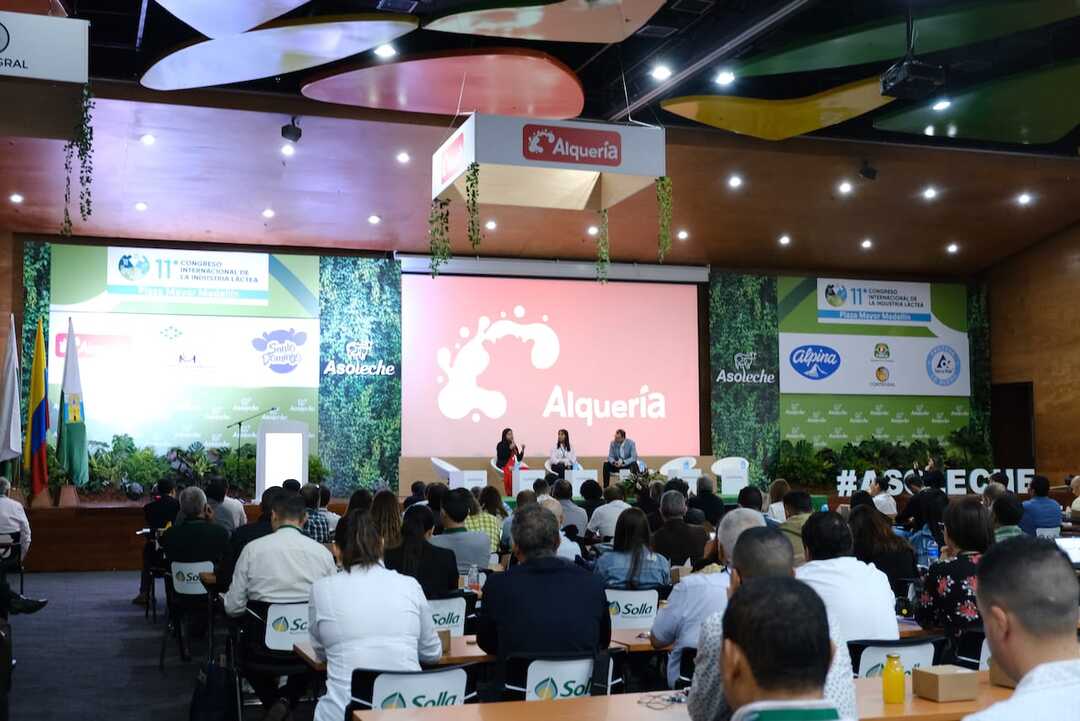
The upcoming Pan-American Dairy Summit in Medellín is set to bring together more than 1,300 participants from across the Americas and beyond to discuss the evolving role of dairy in nutrition and sustainable food systems. Scheduled for late 2024, the summit will focus on how milk and dairy products can contribute to food security, public health, and environmentally responsible agriculture amid growing global challenges.
Organized by regional dairy associations in collaboration with international bodies such as the Food and Agriculture Organization (FAO) of the United Nations and the International Dairy Federation (IDF), the event aims to foster dialogue among producers, policymakers, scientists, and nutrition experts. Medellín, Colombia’s second-largest city and a growing hub for agricultural innovation, was selected as the host due to its strategic position in Latin America’s dairy corridor and ongoing investments in sustainable livestock practices.
With rising concerns about malnutrition in both rural and urban populations across the region, the summit will examine how dairy can address micronutrient deficiencies while adapting to climate pressures. Discussions will also cover innovations in dairy processing, efforts to reduce greenhouse gas emissions from livestock, and strategies to improve access to safe, affordable dairy products for vulnerable communities.
Dairy’s Role in Regional Nutrition and Public Health
Dairy products remain a critical source of high-quality protein, calcium, vitamin D, and other essential nutrients in diets throughout the Americas. According to the FAO, milk and dairy contribute significantly to meeting dietary recommendations in countries where they are regularly consumed, particularly supporting child growth and bone health.
In Colombia, national health surveys indicate that while dairy consumption has increased over the past decade, significant gaps persist, especially among low-income households and in rural areas. The Ministry of Health and Social Protection has promoted school milk programs as part of broader efforts to combat childhood malnutrition, aligning with regional goals to improve nutritional outcomes through fortified and accessible dairy options.
Experts attending the summit are expected to review recent studies on dairy’s impact on metabolic health, including its potential role in reducing risks of type 2 diabetes and hypertension when consumed as part of balanced diets. These discussions will be grounded in peer-reviewed research from institutions such as the Harvard T.H. Chan School of Public Health and the Pan American Health Organization (PAHO), which continues to monitor dietary trends across Latin America and the Caribbean.
Sustainability and Innovation in Dairy Production
Environmental sustainability is a central theme of the Medellín summit, reflecting growing pressure on the livestock sector to reduce its carbon footprint. The dairy industry accounts for a notable share of agricultural emissions, primarily methane from enteric fermentation and nitrous oxide from manure management.
However, advancements in feed efficiency, manure recycling, and precision farming are helping to mitigate these impacts. Pilot projects in countries like Brazil, Argentina, and Uruguay have demonstrated that improved pasture management and anaerobic digesters can lower emissions while maintaining or increasing productivity. The IDF’s Dairy Sustainability Framework, adopted by numerous national dairy associations, provides a roadmap for measuring and improving environmental performance across the supply chain.
Innovation will also be highlighted, particularly in areas such as lactose-free product development, fortification with vitamins and minerals, and the apply of digital tools to improve traceability and quality control. Colombian startups and cooperatives have begun experimenting with solar-powered cooling systems and blockchain-based supply chains to enhance transparency and reduce spoilage in remote regions.
Stakeholders and Regional Impact
The summit will bring together a diverse group of stakeholders, including smallholder farmers who produce the majority of milk in many Andean and Central American countries, large-scale processors, academic researchers, and representatives from multilateral development banks. Organizations such as the Inter-American Institute for Cooperation on Agriculture (IICA) and the Andean Development Corporation (CAF) are expected to participate, offering insights into financing mechanisms for sustainable dairy development.
For Colombia, hosting the event underscores its growing role as a regional leader in agricultural dialogue. The country has invested in programs like “Colombia Siembra” to support rural productivity and has partnered with international agencies to promote climate-smart livestock practices. Officials from the Ministry of Agriculture and Rural Development are expected to outline national strategies for strengthening dairy value chains, improving farmer incomes, and ensuring food safety standards.
Consumer advocacy groups and nutrition NGOs are also anticipated to contribute perspectives on equity, labeling transparency, and the importance of culturally appropriate dietary guidance. These voices are critical in ensuring that policy discussions reflect not only economic and environmental factors but also social dimensions of food systems.
Looking Ahead: Outcomes and Follow-Up
While specific resolutions from the summit have not yet been published, organizers have indicated that outcomes will include a joint declaration on dairy’s contribution to sustainable development goals, particularly those related to zero hunger (SDG 2), good health and well-being (SDG 3), and responsible consumption and production (SDG 12). A technical report summarizing key findings and recommendations is expected to be released in early 2025 and shared with ministries of health and agriculture across the region.
The next major checkpoint in the regional dairy calendar is the IDF World Dairy Summit, scheduled for October 2025 in Paris, where insights from Medellín are likely to inform global discussions. Until then, stakeholders will continue advancing national initiatives aimed at making dairy more nutritious, sustainable, and accessible.
For readers interested in following developments, official updates will be posted on the websites of the Colombian Dairy Federation (Fedegán-FNG) and the International Dairy Federation. These platforms provide access to press releases, event agendas, and post-summit publications as they become available.
We invite our global audience to share thoughts on the future of dairy in nutrition, and sustainability. How can dairy systems better serve both people and the planet? Join the conversation in the comments below and share this article to help spread informed perspectives on one of the world’s most vital food sectors.
Keep reading