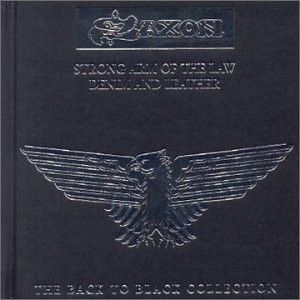
The heavy metal track “Dallas 1 PM” by the British band Saxon serves as a lyrical reconstruction of the assassination of U.S. President John F. Kennedy. Released in 1980 on the album Wheels of Steel, the song captures the historical timeline of the November 22, 1963, shooting in Dealey Plaza, Dallas, Texas. According to the official findings of the Warren Commission Report, the motorcade was targeted at approximately 12:30 p.m. CST, a detail the band interprets through a blend of historical narrative and rock-driven intensity.
Historical Context of the Dallas Event
The assassination of President Kennedy remains one of the most documented events in 20th-century American history. On November 22, 1963, while traveling in an open-top limousine through Dealey Plaza, the president sustained fatal gunshot wounds. The John F. Kennedy Presidential Library and Museum confirms that he was pronounced dead at Parkland Memorial Hospital at 1:00 p.m. CST. The song title, “Dallas 1 PM,” aligns with this specific moment of medical declaration, emphasizing the gravity of the timeframe.
The lyrics describe the environment of the shooting, referencing the “white hot lead” and the confusion that permeated the plaza. This reflects the eyewitness accounts documented in the House Select Committee on Assassinations (HSCA) report, which detailed the chaotic scene as Secret Service agents and bystanders reacted to the gunfire. By focusing on the immediate aftermath and the atmosphere of the day, Saxon contributed to a long tradition of musical works examining the cultural impact of the Kennedy assassination.
Musical Interpretation and Lyrical Themes
Saxon, led by vocalist Biff Byford, utilized “Dallas 1 PM” to explore the shockwaves sent through the international community following the event. Unlike songs that focus on conspiracy theories, the track maintains a focus on the visceral experience of the day. The lyrics highlight the “screaming confusion” and the sudden disruption of the presidential motorcade, mirroring the reporting found in contemporary news archives from the Associated Press.
The song is frequently cited by music critics as a hallmark of the New Wave of British Heavy Metal (NWOBHM) for its departure from traditional fantasy or party-themed lyrics toward historical storytelling. By choosing a high-profile political tragedy as a subject, the band demonstrated the capacity for heavy metal to address complex, somber historical subjects while maintaining the genre’s characteristic intensity and urgency.
Legacy and Public Interest
Decades after its release, “Dallas 1 PM” remains a staple of Saxon’s live performances. The song’s longevity is tied to the enduring public fascination with the events of November 1963. The National Park Service, which manages the Dealey Plaza National Historic Landmark District, continues to receive thousands of visitors annually who seek to understand the geography and history of the site. The song serves as a cultural artifact that keeps the memory of that afternoon alive for new generations of listeners.
For those interested in the official historical record, the National Archives and Records Administration provides access to thousands of declassified documents, including the original autopsy reports, ballistics evidence, and witness testimony. These resources provide the factual foundation that contrasts with the dramatic, poetic license taken in musical interpretations of the event.
Understanding the Historical Record
While the song provides a narrative perspective on the assassination, the official investigation into the death of the president concluded that Lee Harvey Oswald acted alone. This conclusion, reached by the Warren Commission, remains the standard historical account, though it has been subject to decades of public debate and scholarly review. The House Select Committee on Assassinations later suggested in 1979 that there was a “high probability” of a conspiracy based on acoustic evidence, though this finding has been disputed by subsequent scientific analysis.
Readers looking to engage further with this topic are encouraged to consult the digitized records at the National Archives. The ongoing interest in this period underscores the importance of verifying historical claims against primary source documentation. Please share your thoughts in the comments section below regarding how historical events are represented in popular music and the impact such songs have on public memory.
Worth a look