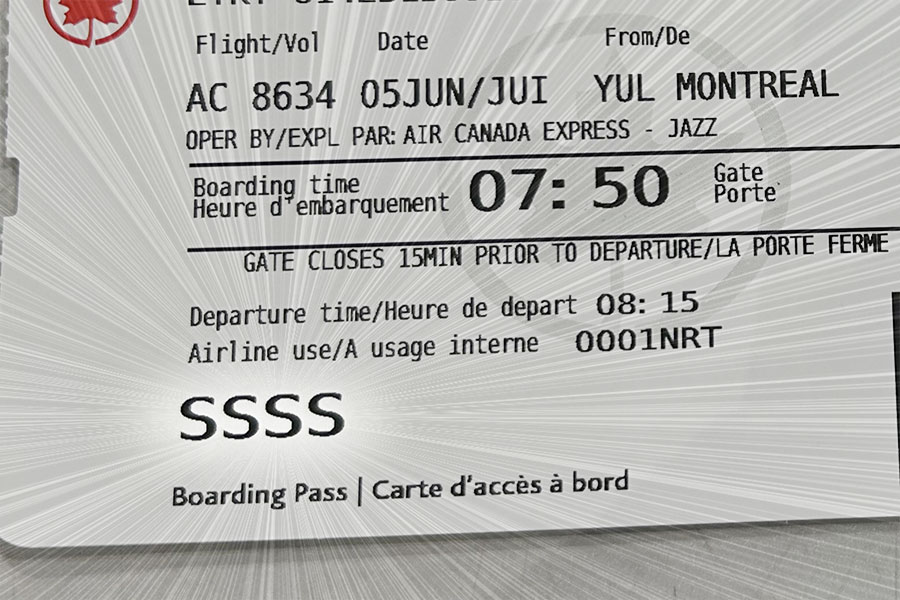
Passengers traveling to or from the United States may occasionally find the designation “SSSS” printed on their boarding pass, a code that triggers mandatory additional security screening. This acronym, which stands for Secondary Security Screening Selection, is a protocol managed by the U.S. Transportation Security Administration (TSA) to identify individuals for enhanced inspection before they are permitted to board an aircraft.
For travelers, encountering this code often results in a significantly more rigorous pre-flight experience. While the selection process is largely automated, its appearance can cause confusion and delays for passengers who are not familiar with the designation. Understanding what the SSSS code signifies and why it is assigned is essential for navigating international air travel protocols efficiently.
What the SSSS Designation Means for Travelers
The SSSS designation is a security measure used by the TSA to ensure that high-risk or randomly selected passengers undergo a more thorough examination than standard travelers. According to the official guidelines provided by the TSA, this process may involve pat-downs, additional baggage inspections, and the testing of electronic devices for explosive residue. These procedures are conducted in addition to the standard metal detector or Advanced Imaging Technology (AIT) screening.
When a passenger is flagged, they are typically unable to check in online or via mobile apps, as the airline’s system restricts the issuance of a boarding pass until the passenger presents themselves at the airport check-in counter. This requirement ensures that the airline and security personnel can physically verify the passenger’s identity and documentation before they reach the security checkpoint. Once at the checkpoint, the passenger is directed to a specific lane for the secondary screening process.
How Passengers are Selected
The selection process for SSSS is primarily managed through the Secure Flight program, an administrative system that matches passenger information against government watchlists. As noted by the Department of Homeland Security (DHS), the program uses a combination of risk-based assessments and, in some cases, randomized selection to identify individuals who require further scrutiny. The exact criteria used by these algorithms remain classified to prevent individuals from circumventing security measures.
It is important to note that receiving an SSSS designation does not necessarily imply that a passenger is under suspicion of criminal activity. Many travelers are selected through the randomized component of the program, which is designed to maintain a baseline level of unpredictable security across the aviation network. Frequent international travelers, those who book tickets at the last minute, or individuals paying for flights in cash may find themselves flagged more often due to the specific risk-scoring models employed by the agency.
Managing the Secondary Screening Process
If a passenger discovers they have been selected for secondary screening, the most effective approach is to arrive at the airport earlier than usual. The additional time allows for the extra screening steps without the risk of missing a flight. Travelers should keep their documentation, including their passport and the physical boarding pass, easily accessible throughout the process.
While the experience can be stressful, security personnel are trained to conduct these screenings in accordance with established civil rights and privacy policies. If a passenger believes they have been unfairly targeted by the system, the Department of Homeland Security Travel Redress Inquiry Program (TRIP) provides a formal mechanism for individuals to request a review of their records. This program is designed to resolve issues for passengers who believe they have been misidentified or subjected to repeated, unwarranted screening.
Ensuring a Smooth Security Experience
Beyond the SSSS protocol, maintaining a smooth experience at airport security generally requires adherence to standard regulations regarding prohibited items and documentation. Travelers are encouraged to review the TSA “What Can I Bring?” database before heading to the airport to avoid unnecessary delays at the checkpoint. By being prepared and understanding the security landscape, passengers can minimize the impact of administrative procedures on their travel plans.
The security landscape remains dynamic, and travelers should monitor official government communications for updates on screening policies. For those frequently traveling internationally, keeping personal information updated and ensuring that travel documents match airline booking details can help reduce the frequency of automated flags within the Secure Flight system.
Future updates regarding air travel security protocols are typically issued via official TSA and DHS news channels. Travelers are encouraged to check these resources periodically before departure. Please share your experiences or questions regarding air travel security in the comments section below.
Related reading