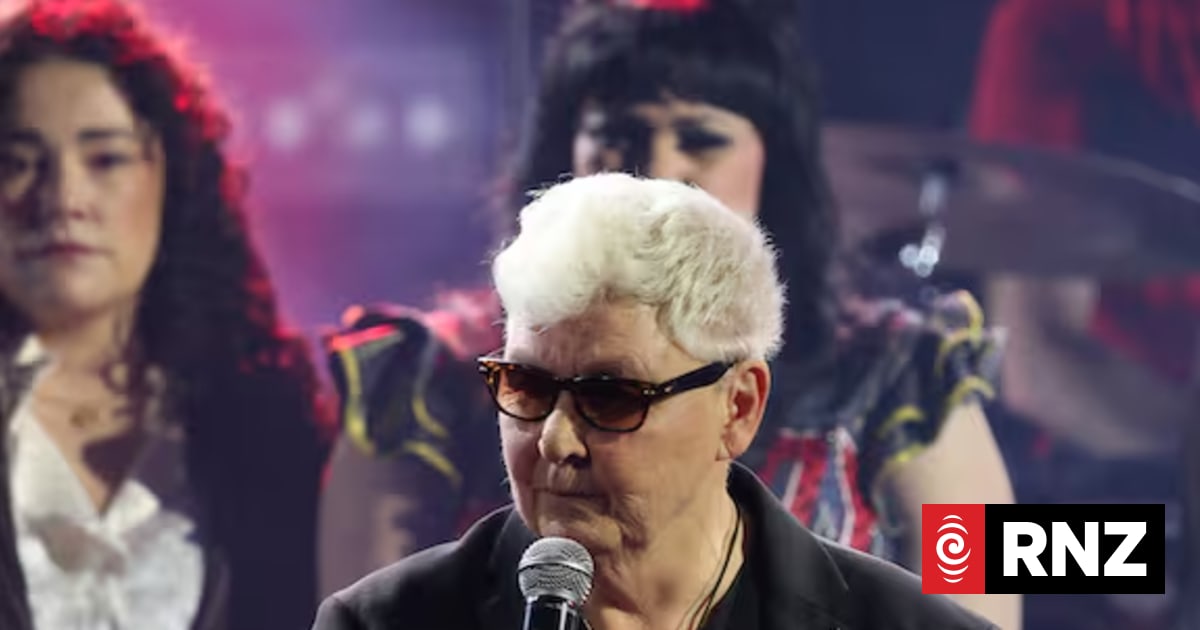
The intersection of art and political activism has long been a defining feature of New Zealand’s cultural landscape. When Dame Lynda Topp took the stage at the 2024 Aotearoa Music Awards, her impassioned call for the protection of public broadcasting and the arts sector served as a poignant reminder that Kiwi creatives are rarely silent when they perceive government overreach or policy neglect. Her address is not an isolated incident but rather the latest chapter in a long-standing tradition of New Zealand artists using their platform to hold power to account.
In a nation where the “tall poppy syndrome” often discourages public dissent, the willingness of high-profile musicians, filmmakers, and writers to challenge the status quo remains a vital check on democratic health. Whether addressing funding cuts, environmental policy, or social equity, these figures have frequently leveraged their influence to spark national conversations that might otherwise remain confined to parliamentary chambers. Understanding these instances of creative advocacy provides insight into the unique relationship between the New Zealand government and its cultural sector.
A History of Cultural Dissent
The tradition of New Zealand creatives challenging government policy is as diverse as the art forms they represent. From the anti-nuclear movement of the 1980s to modern debates over media funding, the pattern of engagement is consistent. These moments often occur during high-profile events, ensuring that the message reaches a broad audience, including those who might not typically follow political discourse.
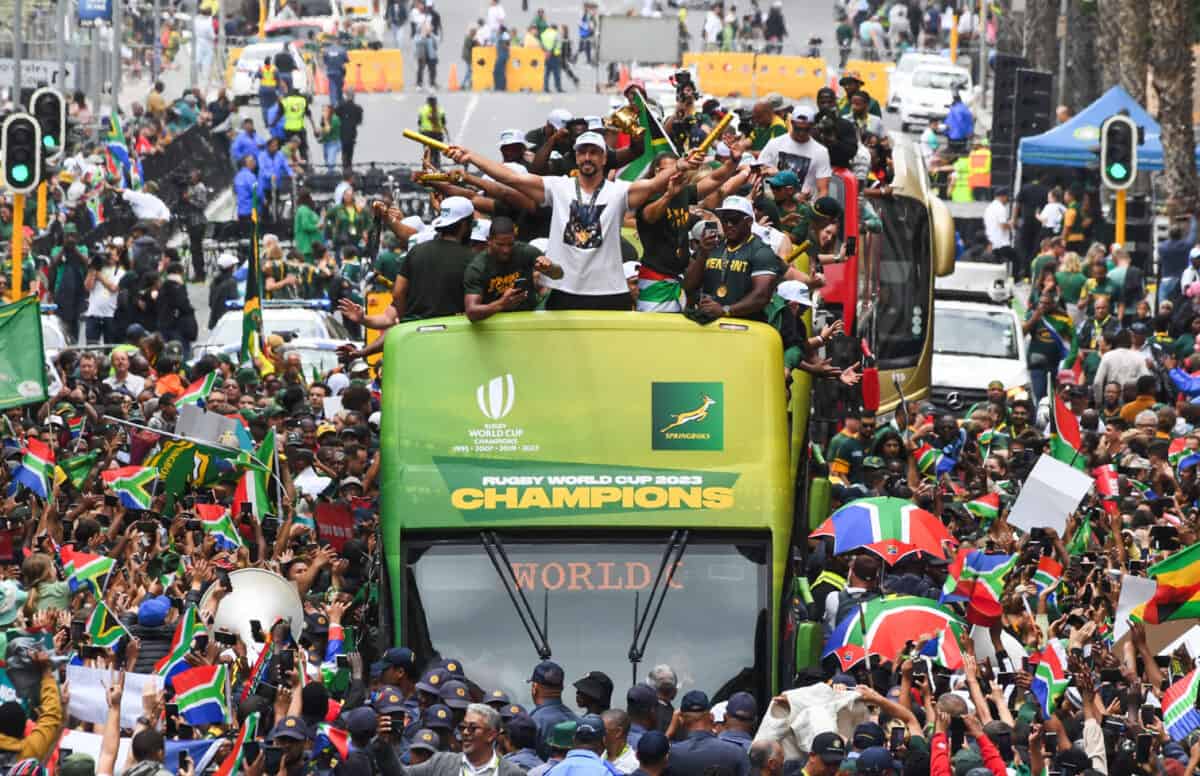
One of the most notable historical examples involved the widespread opposition to the 1981 Springbok Tour. While not exclusively a creative movement, the arts community played a pivotal role in the protests. Musicians and writers were among the most vocal critics of the government’s decision to allow the tour to proceed despite the international outcry regarding South Africa’s apartheid regime. This period cemented the role of the public intellectual in New Zealand society, demonstrating that a creative voice could influence public opinion on matters of foreign policy and human rights.

More recently, the focus has shifted toward institutional funding and the preservation of national identity. In 2023, the proposed merger of Radio New Zealand and Television New Zealand into a new public media entity—known as Aotearoa New Zealand Public Media—drew significant criticism from media professionals and artists alike. The project, which was eventually abandoned by the government, became a flashpoint for debates regarding editorial independence and the potential for political interference in public broadcasting, as detailed in the official announcement by the Prime Minister’s office.
Key Moments of Creative Advocacy
To understand the current landscape, one must look at the specific instances where the arts sector has directly confronted government policy. These moments often highlight a tension between fiscal austerity and the perceived value of cultural infrastructure.
- The 1980s Anti-Nuclear Stand: Artists used their work to protest the government’s stance on nuclear-armed ships, contributing to a cultural shift that eventually led to the New Zealand Nuclear Free Zone, Disarmament, and Arms Control Act 1987.
- Climate Change Advocacy: Various prominent musicians have used awards ceremonies to highlight the lack of progress on climate targets, often citing the Emissions Reduction Plan as insufficient to meet the challenges posed by global warming.
- Broadcasting Funding Disputes: The recurring debates over the funding of public media, including the ongoing discussions regarding the role of NZ On Air, have frequently seen industry leaders publicly challenging government allocation decisions.
- Treaty of Waitangi Discussions: Many Māori artists have consistently used their platforms to challenge the government on issues of sovereignty and the interpretation of Te Tiriti o Waitangi, ensuring that indigenous rights remain at the forefront of the political agenda.
- COVID-19 Response Support and Critique: While many artists supported the government’s initial health measures, the extended lockdowns prompted significant outcry regarding the lack of specific support for the creative economy, leading to a revised Cultural Sector Emergency Relief Fund.
- The Aotearoa Music Awards 2024: Dame Lynda Topp’s recent speech represents the latest iteration of this trend, refocusing attention on the fragility of the arts sector during times of economic tightening.
The Impact on Political Discourse
When an artist speaks out at a high-profile event, the immediate effect is to broaden the scope of the political debate. By moving the conversation from specialized policy committees to the living rooms of the general public, these individuals force the government to defend its position in a more transparent manner. This is particularly effective in a digital age where the viral nature of a speech can outpace traditional press releases.
However, critics of this trend often argue that the entertainment industry should remain separate from political advocacy. They suggest that when celebrities use their platform to comment on complex legislation, they risk oversimplifying nuanced issues. Conversely, proponents argue that artists hold a unique position of trust with the public, allowing them to translate complex bureaucratic decisions into human-centric stories that resonate with voters.
The effectiveness of this advocacy is difficult to quantify, yet the consistency of the behavior suggests that artists believe it produces results. Whether through legislative change or simply by ensuring an issue remains in the news cycle, these actions serve as a vital component of New Zealand’s democratic engagement.
Looking Ahead: What Happens Next?
As the current government continues to navigate fiscal challenges and policy realignments, the relationship between the creative sector and the Beehive will likely remain under scrutiny. The upcoming budget cycles and potential shifts in cultural funding models will serve as the next testing ground for this dynamic.
For observers, the next key checkpoint will be the release of the government’s formal response to the latest industry concerns regarding funding sustainability. Interested readers can track these developments through the Ministry for Culture and Heritage, which provides regular updates on policy initiatives and funding rounds. As these discussions evolve, the voice of the Kiwi creative will undoubtedly remain a significant, if sometimes disruptive, force in the nation’s political life.
What are your thoughts on the role of artists in political advocacy? We invite you to share your perspectives in the comments section below as we continue to cover the intersection of culture and policy in Aotearoa New Zealand.