
Danish Prime Minister Mette Frederiksen has formally stated that Greenland is not for sale, following repeated assertions by former U.S. President Donald Trump that the United States should acquire the world’s largest island. The diplomatic friction, which resurfaced during recent international discourse, highlights ongoing tensions regarding Arctic sovereignty and the strategic importance of the North Atlantic region within the NATO alliance.
Frederiksen’s firm rejection of the proposal reinforces Denmark’s long-standing position that Greenland, an autonomous territory within the Kingdom of Denmark, is not a commodity for international trade. The controversy stems from Trump’s earlier public declarations regarding the potential purchase, which he characterized as a real estate deal, despite clear rebuffs from both Copenhagen and the Greenlandic government.
The Strategic Significance of Greenland
Greenland occupies a critical position in global geopolitics due to its location in the Arctic and its vast, largely untapped natural resources. The island hosts the Thule Air Base, the northernmost U.S. military installation, which plays a vital role in the U.S. missile defense network and space surveillance. According to official U.S.
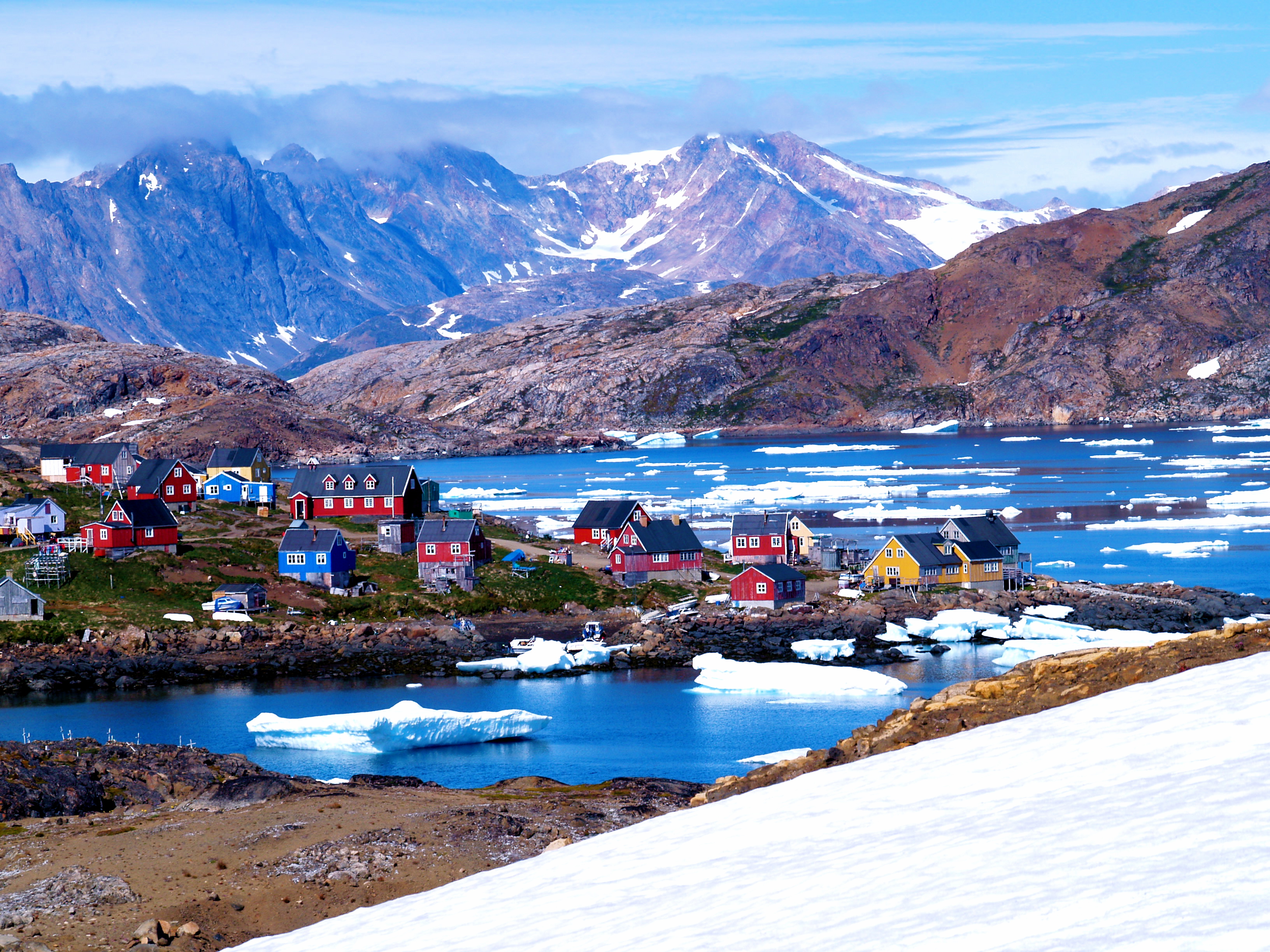
The interest expressed by the former U.S. administration in purchasing the territory was met with immediate pushback from Danish officials. Prime Minister Frederiksen has consistently emphasized that Greenland is not for sale and that the territory’s status is determined by its own people and the Danish constitution. This stance is supported by the Danish Prime Minister’s Office, which maintains that the relationship between Denmark and Greenland is one of partnership rather than ownership.
NATO Commitments and Arctic Security
The discourse surrounding Greenland has inevitably touched upon the broader security architecture of the North Atlantic Treaty Organization (NATO). Prime Minister Frederiksen has reaffirmed Denmark’s commitment to the collective defense of the entire alliance, ensuring that the Arctic remains a stable and secure region. This commitment is particularly relevant as melting ice caps open new maritime routes and increase interest in the region’s mineral wealth.

Within the framework of NATO’s strategic concept, member states are tasked with maintaining situational awareness in the High North. The Danish government argues that the involvement of its Arctic territories is essential for regional monitoring, rather than being a subject for territorial acquisition. Analysts note that such diplomatic disputes can complicate the unified front that NATO seeks to project in the face of increasing global competition.
Historical Context and Diplomatic Precedents
The idea of the United States purchasing Greenland is not new, with historical inquiries dating back to the administration of Harry Truman in 1946. However, the modern reiteration of these claims has caused palpable unease in Nordic diplomatic circles. The Government of Greenland, known as Naalakkersuisut, has repeatedly asserted that the island is open for business and international cooperation but is not available for sale.
The current impasse serves as a reminder of the complexities inherent in managing territories that hold significant strategic value for multiple global powers. While the United States remains a primary security partner for Denmark and Greenland, the insistence on acquisition remains a point of contention that does not align with the current diplomatic policy of the Danish state.
Future Developments in Arctic Relations
As the Arctic continues to gain prominence in international agendas, the focus remains on maintaining the sovereignty of the region’s indigenous populations and their governing bodies. The Danish government has indicated that it will continue to prioritize its existing security agreements and the strengthening of ties between Copenhagen, Nuuk, and Washington D.C.

Observers are looking toward upcoming NATO ministerial meetings for any further clarification on how the alliance plans to address the evolving security landscape in the High North. For now, the Danish position remains unchanged: Greenland’s future is a matter for the Danish and Greenlandic people alone.
We invite our readers to share their perspectives on this ongoing geopolitical dialogue in the comments section below. How should Arctic nations balance security interests with the sovereignty of autonomous territories?