
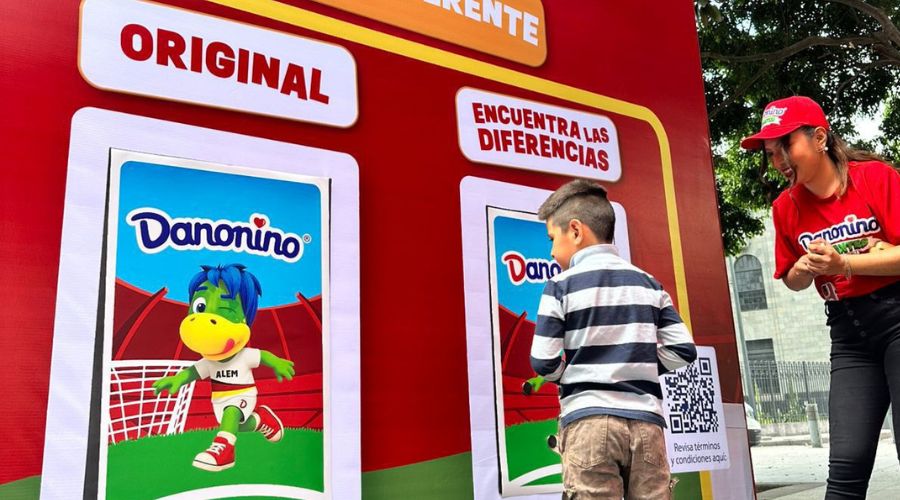
As a medical professional, I often emphasize that childhood is a critical window for establishing dietary habits and physical activity patterns that endure for a lifetime. When public health initiatives intersect with family-oriented activities, they provide a valuable opportunity to encourage movement and social development. Recently, Danonino has launched a new initiative titled “Gigantes de la Cancha,” which aims to integrate physical play with interactive experiences for children in Mexico.
The “Gigantes de la Cancha” experience is designed to foster engagement through the lens of soccer, utilizing a collection of themed characters known as “Dino Futboleros.” By positioning these characters as central to the experience, the initiative seeks to encourage children to participate in imaginative play and physical activity, whether at home, in parks, or within the structured environments provided by the program. This focus on active play is significant, as consistent physical activity is essential for healthy child development, according to the World Health Organization’s guidelines on physical activity and sedentary behavior for children.
For parents and caregivers, finding accessible ways to keep children active and engaged is a recurring challenge. This program provides spaces in Mexico City and Guadalajara where families can access thematic games, photo opportunities, and interactive activities. The initiative also includes a community-focused element where children can exchange their collectible figures, a feature intended to encourage social interaction and peer-to-peer engagement.
Understanding the Role of Nutritious Snacks in Active Play
Beyond the physical activity component, the initiative is linked to Danonino’s broader product strategy. The company notes that its dairy products, including fresh cheese and drinkable yogurts, are formulated with calcium and vitamin D. From a nutritional standpoint, these micronutrients are essential for normal growth and bone development in children, particularly those over the age of three. As part of the “Gigantes de la Cancha” experience, the company is conducting product sampling to highlight these nutritional components.
The inclusion of calcium and vitamin D is a standard practice in many dairy-based snacks intended for children, helping to bridge potential gaps in daily intake. However, It’s vital for parents to remember that while fortified snacks can contribute to a balanced diet, they should be viewed as part of a wider nutritional strategy that includes a variety of whole foods. The World Health Organization (2016) has emphasized the importance of creating healthy eating habits during childhood, noting that early experiences with food and play are foundational for life-long health outcomes.
Community Engagement and Physical Development
The “Gigantes de la Cancha” initiative is not merely a marketing campaign; it serves as a platform for families to engage in shared physical activity. By creating themed environments that mimic the excitement of soccer, the program encourages children to practice fundamental movement skills. These activities—such as running, kicking, and coordinating—are crucial for developing motor skills and building self-confidence.
the emphasis on team-based play is a key developmental milestone. Learning to interact with others, follow rules, and participate in a collective goal helps children develop the social-emotional skills necessary for navigating school and community life. The program’s design, which encourages families to share these moments, aligns with the consensus that parental involvement in a child’s play significantly enhances the benefits of physical activity.
For those interested in the logistical aspects of the program, Danonino has confirmed that the initiative will feature specific activation sites in major urban centers. These sites are intended to be hubs where the “Dino Futboleros” collection can be explored and where families can participate in the broader educational and physical components of the campaign. For more information on product nutritional profiles and company initiatives, you can visit the official Danone brand portal.
“El fútbol no solo se vive en los estadios: también se juega en casa, en el parque, en la imaginación y en esos momentos que se comparten en familia.”
This sentiment resonates with the broader goals of pediatric health advocacy, where the focus is on creating environments that support both physical and mental well-being. By framing the activity around a sport as popular as soccer, the initiative effectively leverages existing cultural interests to promote higher activity levels among children.
Future Perspectives on Childhood Health Initiatives
As we observe these types of community-focused programs, the metric for success should be the long-term impact on children’s activity levels and the sustainability of the healthy habits they are encouraged to adopt. It is essential that such programs continue to emphasize the importance of balanced nutrition and regular, unstructured play alongside any branded content.
In the coming months, People can expect to see further developments in how brands integrate health messaging into family-oriented programming. For parents, the best approach remains keeping an eye on the nutritional labels of any snacks provided during these activities and ensuring that the physical play encouraged by these programs is mirrored in daily routines at home.
We will continue to monitor updates regarding the “Gigantes de la Cancha” program as they become available. If you have participated in these activities or have insights into how your family incorporates physical play into daily routines, I encourage you to share your experiences in the comments section below. For ongoing health news and analysis, stay tuned to the World Today Journal.