The Hell’s Kitchen Shakeup: A Review of the ‘Daredevil: Born Again’ Season Two Finale
The tension that has been simmering throughout the second season of Daredevil: Born Again has finally reached a boiling point. As the season two finale concludes, it leaves the Marvel Cinematic Universe (MCU) in a state of profound upheaval, offering a conclusion that is as polarizing as it is intense. For fans who have followed Matt Murdock’s journey from the gritty streets of Hell’s Kitchen to the high-stakes legal battles of the Disney+ era, this latest chapter feels like a definitive, if painful, turning point.
While the season has been praised for its willingness to embrace the darkness that defined the original Netflix run, the finale pushes those boundaries to the limit. It is a conclusion characterized by heavy revelations, visceral violence, and a series of narrative pivots that fundamentally alter the landscape for the characters involved. As we digest the fallout, one thing is certain: the status quo in New York City has been irrevocably shattered.
A Return to Grit: Aligning with the Netflix Legacy
One of the most notable aspects of this season has been its tonal consistency. After the initial growing pains of the first season, Daredevil: Born Again season two appears to have successfully recaptured the grim, grounded reality of vigilantism that made the original series a cult phenomenon. The emphasis on the psychological and physical toll of crime-fighting has returned, moving away from broader superhero tropes and back toward the complex, character-driven drama that fans crave.
The writing this season has shown significant maturation, prioritizing the heavy consequences of Matt Murdock’s dual life. By leaning into the darker elements of the genre, the series has managed to bridge the gap between the street-level stakes of the past and the expanding scale of the current MCU. This shift in tone provides the necessary weight for the explosive events that define the season’s end.
Controversial Revelations and the Courtroom Gambit
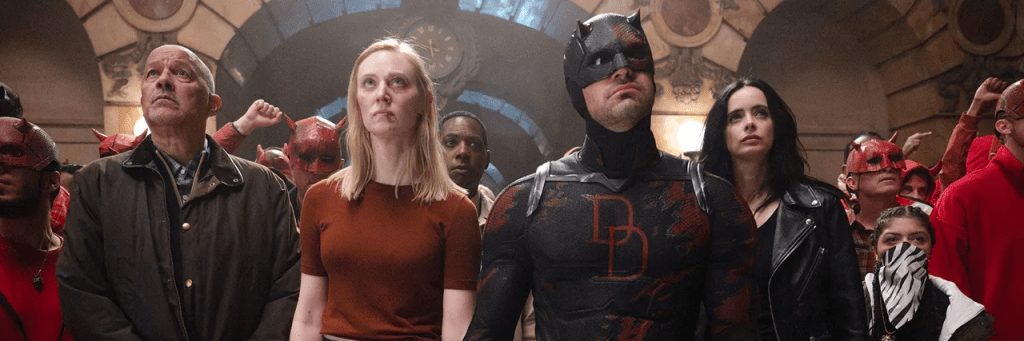
The finale is anchored by a sequence that has already ignited fierce debate among the fanbase. According to recent episode coverage, the narrative reaches a fever pitch when Matt Murdock makes the high-stakes decision to reveal his identity as Daredevil in open court. This move, reportedly intended to provide the necessary leverage to dismantle Wilson Fisk’s influence, serves as a massive gamble for Murdock’s legal career and personal safety.

[Credit: Marvel Television]
This “Tony Stark-esque” revelation aims to address the long-standing legal and moral complexities surrounding the character, but it comes at a significant cost. Reports suggest that while the plan succeeds in its immediate goal of undermining Fisk, it leaves Murdock facing the very real possibility of imprisonment for vigilantism. The fallout from this courtroom spectacle extends far beyond the legal implications, setting the stage for a much more personal conflict between the hero and his adversaries.
the season’s climax reportedly features a chaotic setpiece involving a protest at the courthouse. This sequence, which some observers have noted bears a striking resemblance to real-world civil unrest, depicts a violent confrontation that leaves the city reeling. The aftermath of this event—and the subsequent handling of Wilson Fisk—has left many viewers questioning the moral compass of the series’ justice system.
The Rise of New Threats and Unexpected Cameos
As the dust settles on the Season Two finale, the focus shifts toward the future of Hell’s Kitchen and the potential emergence of new antagonists. Speculation is already mounting regarding the character Heather, who is reportedly set to become a central figure in the third season. Discussions among viewers suggest that she may adopt the mantle of “Muse,” a transformation that hints at a complex, psychological brand of villainy that could challenge Murdock in ways he hasn’t previously encountered.
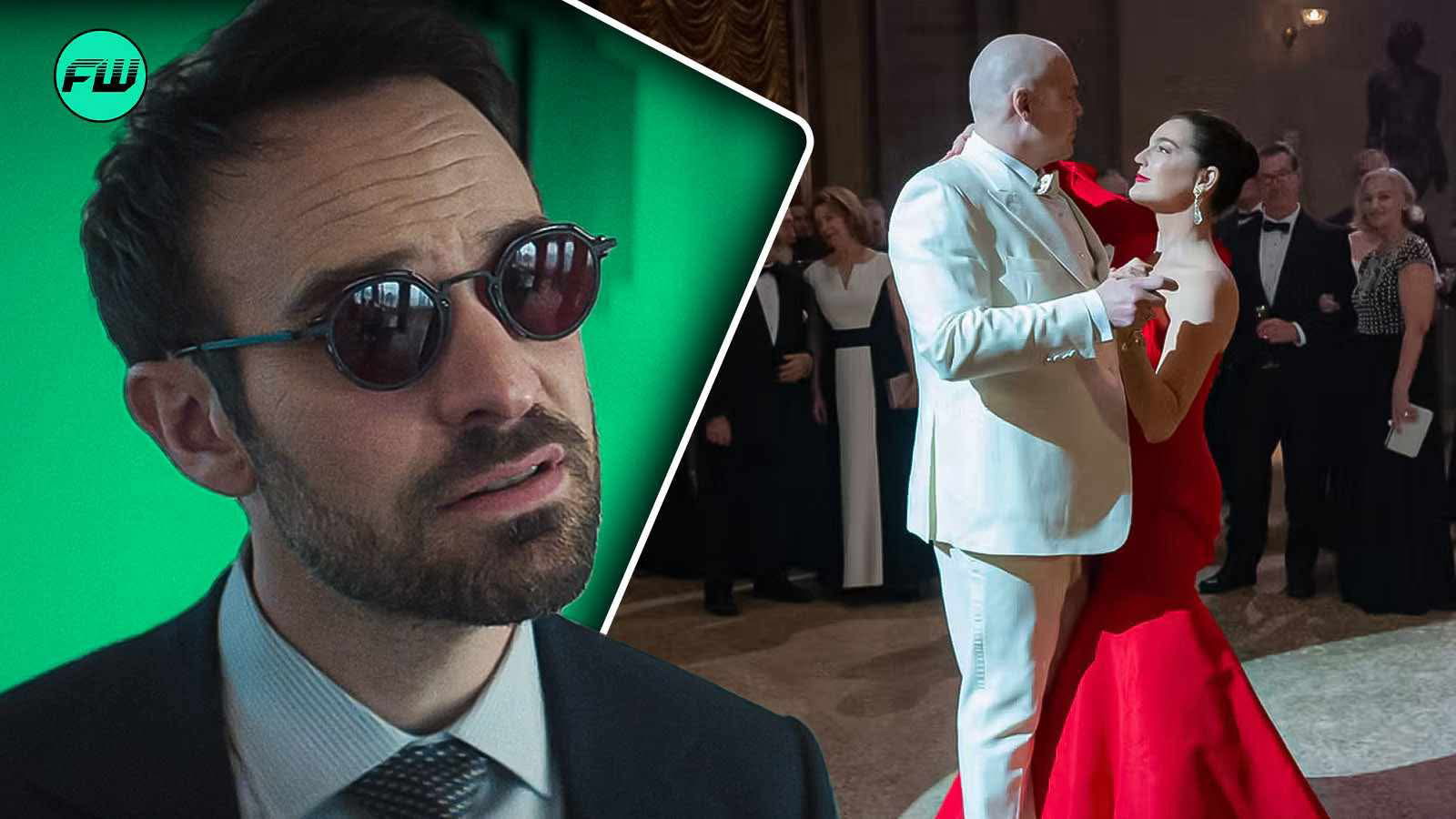
The potential for a deeper connection between these new characters and Murdock’s past—particularly regarding his identity—suggests that Season 3 may move into even more personal and treacherous territory. The irony of a character’s evolution, especially one who has held strong stances against masked individuals, provides a compelling narrative thread that the series seems poised to exploit.
[Credit: Marvel Television]
Adding to the excitement, the finale reportedly concludes with cameos that hint at a much larger interconnected web of defenders. The appearance of characters such as Luke Cage has sent the fandom into a frenzy, sparking theories about a potential resurgence of the Defenders or a new team-up aimed at stabilizing a fractured New York City. Whether these appearances are mere nods to the past or the foundation for a major crossover remains to be seen.
Key Takeaways from the Season Two Finale
- Tonal Shift: The season successfully returned to the dark, gritty atmosphere of the original Netflix series.
- Identity Reveal: The reported revelation of Matt Murdock’s identity in court serves as a massive narrative pivot.
- Fisk’s Status: The conclusion of Wilson Fisk’s current arc leaves his future as a major player in New York uncertain but highly volatile.
- New Antagonists: The emergence of the “Muse” persona suggests a shift toward more psychological conflict in upcoming seasons.
- Expanding Universe: Cameos from established characters hint at broader MCU crossovers on the horizon.
As we look toward what comes next for the Man Without Fear, the official roadmap from Marvel Television remains the most important metric. While the theories are endless, we await official updates regarding the production schedule for Season 3 and any confirmed casting news for the expanding roster of New York’s defenders.
What did you think of the Season Two finale? Was Matt Murdock’s identity reveal a brilliant move or a narrative mistake? Let us know your theories in the comments below and share this article with your fellow Marvel fans!